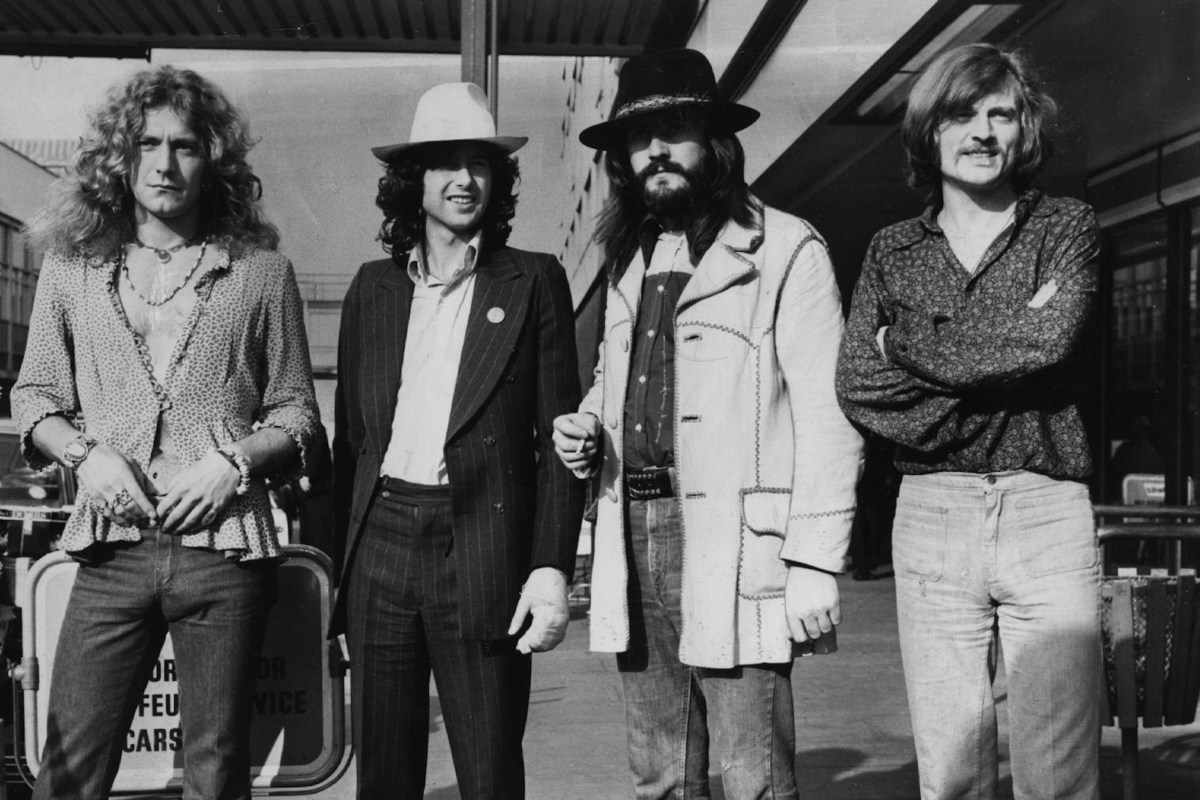
Rock and Metal Music That Shaped Generations – Rock and metal music are more than just genres. They are cultural movements that have influenced fashion, attitudes, politics, and the way generations express themselves. From rebellious teenagers in the 1950s to modern fans discovering heavy riffs through streaming platforms, rock and metal have continuously evolved while keeping their raw emotional power intact.
These styles of music didn’t just entertain people. They challenged norms, gave voices to the misunderstood, and created communities that still exist today. Understanding how rock and metal shaped generations means looking at their roots, evolution, and lasting impact.
The Birth of Rock Music and Youth Rebellion
Rock music emerged in the mid-20th century, drawing inspiration from blues, jazz, and rhythm and blues. Artists like Chuck Berry, Elvis Presley, and Little Richard brought energy and attitude that felt revolutionary at the time. For young people, rock music represented freedom and identity in a world dominated by strict social rules.
Parents often viewed early rock as dangerous or inappropriate, which only made it more appealing to teenagers. Loud guitars, emotional vocals, and energetic performances created a new language for youth culture. Rock music became a symbol of rebellion, independence, and self-expression.
By the 1960s, rock had already grown into something bigger. Bands like The Beatles, The Rolling Stones, and The Who pushed musical boundaries while influencing fashion and lifestyle. Long hair, bold clothing, and anti-establishment messages became part of the rock identity, shaping an entire generation’s mindset.
How Metal Music Took Rock to a New Extreme
While rock music laid the foundation, metal music took things further. Emerging in the late 1960s and early 1970s, metal introduced heavier guitar tones, darker themes, and more aggressive sounds. Bands such as Black Sabbath, Led Zeppelin, and Deep Purple created music that felt powerful and intense.
Heavy Metal as a Voice for the Outsiders
Metal music resonated with listeners who felt disconnected from mainstream culture. Its themes often explored struggle, fear, social injustice, and personal demons. Instead of hiding darkness, metal confronted it head-on. This honesty helped fans feel understood and less alone.
Heavy metal also built strong communities. Concerts, fan clubs, and underground scenes created a sense of belonging. For many, metal wasn’t just music, it was an identity that shaped how they saw the world.
The Evolution into Subgenres
As metal grew, it diversified into many subgenres. Thrash metal, death metal, black metal, and power metal each brought unique sounds and philosophies. Bands like Metallica, Slayer, Iron Maiden, and Judas Priest defined different paths within the genre.
Each generation found its own version of metal. Older fans connected with classic heavy metal, while younger listeners explored more extreme or experimental styles. This adaptability allowed metal music to survive and stay relevant across decades.
Rock and Metal in the 1980s and 1990s
The 1980s brought both commercial success and controversy for rock and metal. Arena rock and glam metal dominated the charts, with bands like Guns N’ Roses, Bon Jovi, and Mötley Crüe achieving massive popularity. Music videos and MTV played a huge role in spreading rock culture worldwide.
At the same time, underground scenes were thriving. Punk rock influenced a rawer, more rebellious sound, while metal bands pushed speed and aggression further. The contrast between mainstream success and underground authenticity defined this era.
Grunge and Alternative Rock’s Cultural Shift
In the early 1990s, grunge and alternative rock changed everything. Bands like Nirvana, Pearl Jam, and Soundgarden rejected glam aesthetics and focused on emotional honesty. Their music reflected anxiety, frustration, and confusion felt by many young people at the time.
Grunge didn’t just change how rock sounded. It changed how it looked and felt. Simpler fashion, introspective lyrics, and a more grounded image replaced excess and glamour. This shift marked a new generational voice within rock music.
How Rock and Metal Influence Modern Music
Even today, the influence of rock and metal is everywhere. Modern genres like pop, hip-hop, and electronic music borrow elements from heavy guitars, live instrumentation, and rebellious attitudes. Many contemporary artists openly credit classic rock and metal bands as major influences.
Streaming platforms have also introduced younger listeners to older music. A teenager today can easily discover bands from the 1970s or 1980s, keeping the legacy alive. Rock and metal no longer belong to one era; they exist across generations at the same time.
Timeless Messages That Still Resonate
What makes rock and metal truly timeless is their emotional honesty. Themes like freedom, anger, love, injustice, and self-discovery never lose relevance. Each generation faces different challenges, but the feelings remain familiar.
Rock and metal music offer an outlet for those emotions. Whether it’s a powerful guitar solo or an aggressive scream, the music provides release and connection. That emotional bond is why fans stay loyal for life.
The Lasting Cultural Impact of Rock and Metal
Beyond music, rock and metal shaped fashion, language, and attitudes. Leather jackets, band shirts, and long hair became symbols of resistance. Lyrics influenced social movements and encouraged critical thinking.
These genres also proved that music could be more than entertainment. It could challenge authority, question traditions, and inspire change. Many listeners credit rock or metal for helping them through difficult times or shaping who they became.
Why Rock and Metal Will Never Disappear
Despite changing trends, rock and metal continue to survive. New bands emerge, old bands reunite, and fans pass the music down to younger generations. The core spirit remains the same: honesty, energy, and authenticity.
Rock and metal music shaped generations because they spoke to real human experiences. As long as people feel the need to express rebellion, pain, joy, and freedom, these genres will continue to matter.
They are not just sounds from the past. They are living movements that keep evolving, proving that powerful music never truly fades away.