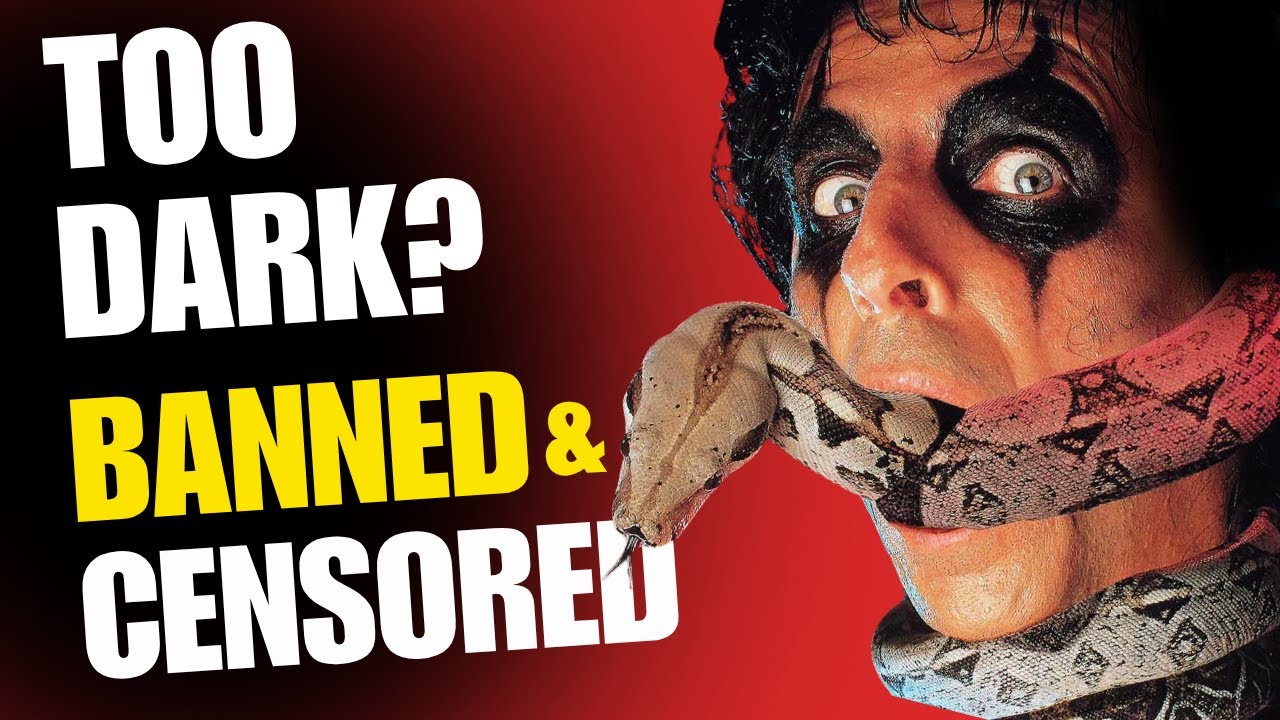
Banned Rock and Metal Songs with Dark Histories – Rock and metal have always lived close to controversy. From shocking lyrics to disturbing real-life incidents, these genres often push boundaries that mainstream society isn’t always ready to accept. Over the decades, several rock and metal songs have been banned, restricted, or heavily criticized due to their dark histories, misunderstood messages, or links to tragic events.
Some bans came from governments or radio stations. Others were the result of moral panic, religious backlash, or tragic coincidences. What makes these songs fascinating is not just the music itself, but the stories behind why they were silenced.
This article explores banned rock and metal songs with dark histories, uncovering the reasons they became controversial and how those bans shaped their legacy.
Why Rock and Metal Songs Get Banned
Rock and metal music often explore themes that are uncomfortable by design. Death, war, mental illness, rebellion, and anti-authority messages are common subjects. When these themes collide with sensitive social issues or real-world violence, censorship usually follows.
In many cases, songs were banned not because of proven harm, but because they challenged cultural norms. Parents’ groups, religious organizations, and political institutions have historically seen heavy music as a threat rather than an art form.
Ironically, banning these songs often made them more famous, turning them into underground anthems and symbols of resistance.
Ozzy Osbourne – Suicide Solution
One of the most infamous banned rock songs in history is “Suicide Solution” by Ozzy Osbourne. Released in 1980, the song faced massive backlash after being linked to several teenage suicides in the United States.
The Misunderstood Meaning Behind the Song
Despite its title, “Suicide Solution” was not about encouraging self-harm. Ozzy Osbourne repeatedly explained that the song was about alcohol addiction slowly killing the body, especially inspired by the death of AC/DC’s Bon Scott.
However, lawsuits claimed that the lyrics contained hidden messages promoting suicide. The controversy led to radio bans, edited versions, and warning labels on albums.
The case became a landmark moment in the debate over music censorship and artistic responsibility.
Judas Priest – Better By You, Better Than Me
Judas Priest faced one of the most extreme legal battles in metal history. Their song “Better By You, Better Than Me” was accused of containing subliminal messages that encouraged suicide.
Two young men attempted suicide in 1985, and the band was taken to court under claims that hidden phrases like “do it” were embedded in the track.
Courtroom Drama and Metal on Trial
The trial forced Judas Priest to defend metal music itself. Audio experts, musicians, and psychologists testified, ultimately proving that the supposed subliminal messages were coincidental sounds.
The band won the case, but the song was effectively banned from radio play for years. The incident left a lasting scar on metal culture and strengthened fears around heavy music in mainstream society.
Marilyn Manson – The Reflecting God and The Beautiful People
Marilyn Manson’s music has been banned in multiple countries, but the backlash intensified after the Columbine High School tragedy in 1999. Songs like “The Reflecting God” and “The Beautiful People” were accused of inspiring violence.
Although investigations later confirmed that the shooters were not influenced by Manson’s music, media outlets and schools quickly banned his songs.
Scapegoating Metal Culture
Manson became a symbol of society’s fear toward youth rebellion. Concerts were canceled, albums were pulled from shelves, and radio stations stopped playing his music.
The dark history here lies less in the songs themselves and more in how quickly art can be blamed when society searches for easy answers after tragedy.
Slayer – Angel of Death
“Angel of Death” by Slayer is one of the most controversial metal songs ever recorded. The lyrics describe the horrific experiments of Nazi doctor Josef Mengele during World War II.
Due to its graphic content and historical subject matter, the song was banned or restricted in several countries, particularly in Germany.
History as Horror, Not Praise
Despite accusations of glorifying Nazism, Slayer consistently stated that the song was written to expose the brutality of history, not celebrate it. Still, its disturbing lyrics made it too extreme for many broadcasters.
The ban added to the song’s legend, making it one of the most talked-about tracks in thrash metal history.
Rage Against the Machine – Killing in the Name
“Killing in the Name” is a politically charged song that directly challenges authority, racism, and police brutality. Its repeated use of profanity led to bans across radio stations, especially in the UK and US.
Political Lyrics That Crossed the Line
The song’s raw anger and explicit ending made it unacceptable for mainstream radio. However, attempts to censor it often backfired. In 2009, fans famously pushed the song to Christmas number one in the UK as a protest against manufactured pop music.
Its banning only amplified its message, proving how censorship can strengthen political art.
Why Banned Songs Never Really Disappear
Banned rock and metal songs rarely fade away. Instead, they become symbols of rebellion, freedom of expression, and cultural resistance. For fans, these tracks represent honesty in a world that prefers comfort over truth.
Streaming platforms and online communities have also made bans less effective. What was once hidden is now just a click away, allowing new generations to discover these controversial songs and their histories.
The Legacy of Dark Histories in Rock and Metal
The dark histories behind banned rock and metal songs remind us that music is powerful. It reflects social fears, moral conflicts, and political tension. While bans aim to protect society, they often reveal deeper misunderstandings about art and expression.
Today, these songs stand as historical markers. Not just of controversy, but of moments when music challenged authority and refused to be silenced.
For rock and metal fans, that defiance is exactly what keeps these songs alive.