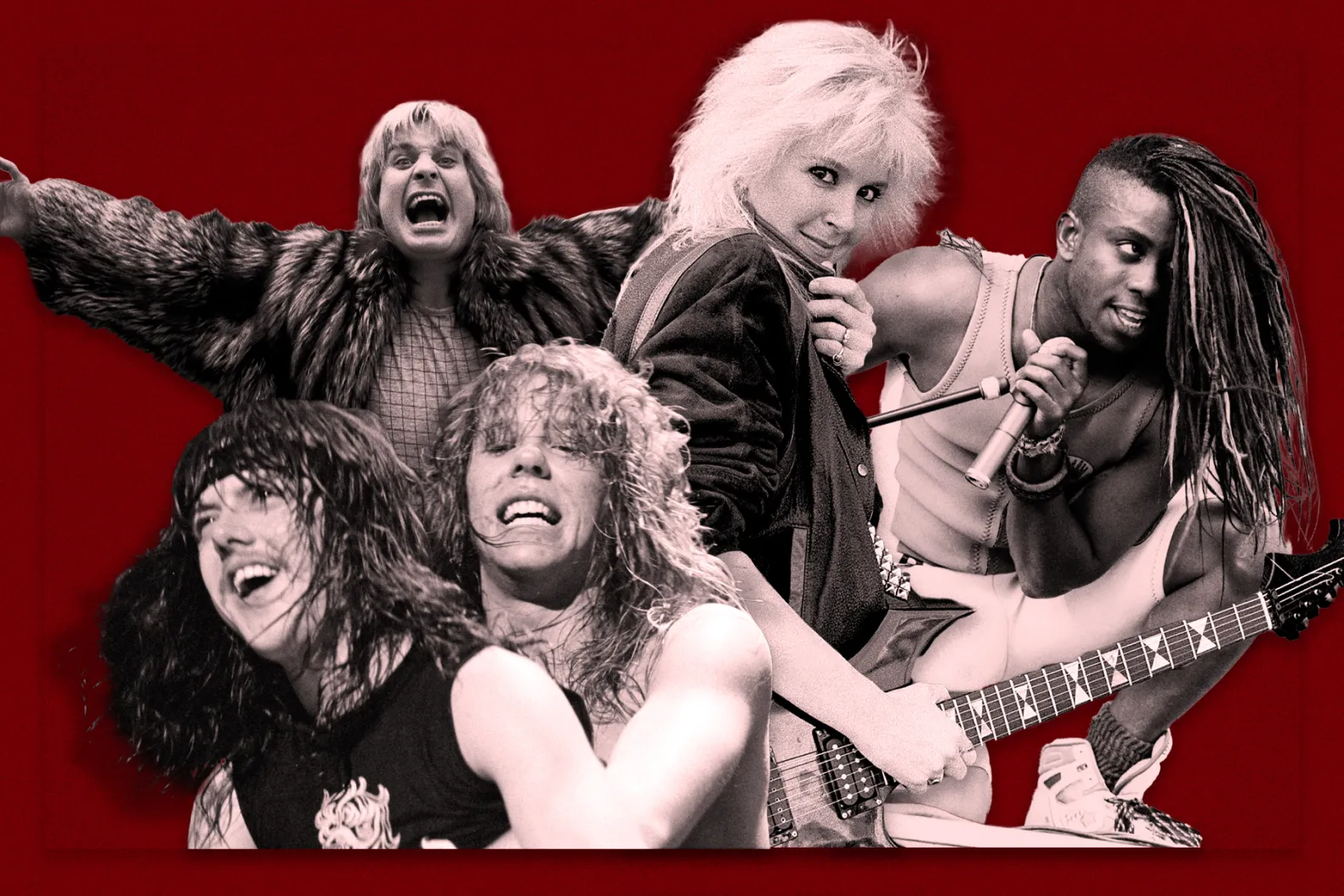
Exploring the Sound and Spirit of Rock and Metal – Rock and metal music have long been more than just genres; they are a culture, a lifestyle, and a sonic journey. From the thunderous riffs of heavy metal to the raw energy of classic rock, these music styles have shaped generations, inspired rebellion, and created communities that span the globe. In this article, we dive deep into what makes rock and metal so captivating, exploring both the sound and the spirit behind the music.
The Roots of Rock and Metal
Rock music emerged in the 1950s and 60s, blending elements of blues, country, and rhythm and blues. Artists like Chuck Berry, Elvis Presley, and Little Richard set the stage with electrifying performances and catchy riffs that would later define rock as a genre. The evolution into harder sounds came with bands like Led Zeppelin, Black Sabbath, and Deep Purple, laying the foundation for heavy metal in the late 1960s and 1970s.
Metal, on the other hand, took the aggression and intensity of rock and pushed it to new heights. With distorted guitars, pounding drums, and powerful vocals, metal became the soundtrack for rebellion and self-expression. The genre also introduced complex song structures, virtuosic solos, and theatrical performances that elevated it from simple entertainment to a form of art.
The Distinctive Sound of Rock
Rock music is known for its iconic guitar riffs, driving bass lines, and powerful drumming. Unlike other genres, rock thrives on live energy and the chemistry between band members. Each instrument plays a role in building tension and release, giving listeners a sense of movement and intensity. The vocal style can vary from smooth and melodic to gritty and raw, but it always carries emotion that connects deeply with fans.
One of the most remarkable aspects of rock is its adaptability. From punk rock’s stripped-down, high-energy approach to progressive rock’s intricate compositions, the genre continues to evolve while maintaining its core spirit. It’s this ability to reinvent itself that has allowed rock music to remain relevant for decades.
The Power and Complexity of Metal
Metal is often characterized by its heavier and darker tones. Guitar riffs are more aggressive, drums are faster and more complex, and vocals can range from clean singing to guttural growls. Subgenres like thrash, death, black, and symphonic metal have further diversified the sound, offering something for every type of listener.
Beyond technical skill, metal is about atmosphere and storytelling. Lyrics often explore themes of struggle, fantasy, personal empowerment, or societal critique. Fans are drawn to metal not just for the music but for the community and philosophy that comes with it. It’s music that challenges the listener while offering an emotional release.
Rock and Metal as Cultural Movements
Both rock and metal have transcended music to become cultural phenomena. From fashion styles like leather jackets and band tees to lifestyle choices that embrace freedom and self-expression, these genres have a distinct identity. Concerts and festivals create a sense of belonging, where fans gather to celebrate music and community.
In addition, rock and metal have influenced other art forms, including movies, literature, and visual arts. Album covers, stage designs, and music videos often reflect the intensity and creativity found in the music itself. This blending of music and culture helps explain why these genres maintain such passionate fan bases worldwide.
Why Fans Keep Coming Back
Fans of rock and metal are often drawn not just to the sound but to the feeling it evokes. There’s a raw authenticity that resonates, whether it’s the cathartic release of a heavy riff or the emotional depth of a ballad. Live shows amplify this experience, creating a shared energy that is almost impossible to replicate elsewhere.
Moreover, both genres offer a sense of identity and belonging. Fans often see themselves reflected in the lyrics, attitudes, and values of their favorite bands. This connection is why rock and metal are not just music genres—they are lifelines for many people seeking expression and community.
The Evolution Continues
Even in the age of streaming and digital music, rock and metal continue to thrive. New bands are blending genres, experimenting with electronic elements, and reaching audiences worldwide. The spirit of innovation that has defined these genres from the beginning shows no signs of slowing down. The music evolves, but the heart—the passion, the rebellion, and the raw energy—remains the same.
Classic bands continue to influence new generations, while underground acts push the boundaries of sound. This dynamic ecosystem ensures that rock and metal are not relics of the past but living, breathing forms of artistic expression.
Final Thoughts
Exploring the sound and spirit of rock and metal reveals more than just music—it’s a window into emotion, culture, and human creativity. Whether you are a lifelong fan or a newcomer, there is something in these genres that speaks to the heart and mind. From electrifying riffs to powerful lyrics, from intimate gigs to massive stadiums, rock and metal remain enduring symbols of freedom, expression, and community.
Listening to rock and metal is not just about hearing music; it’s about feeling it, living it, and being part of something larger than oneself. In a world that constantly changes, the sound and spirit of these genres continue to provide a place where passion and authenticity thrive.