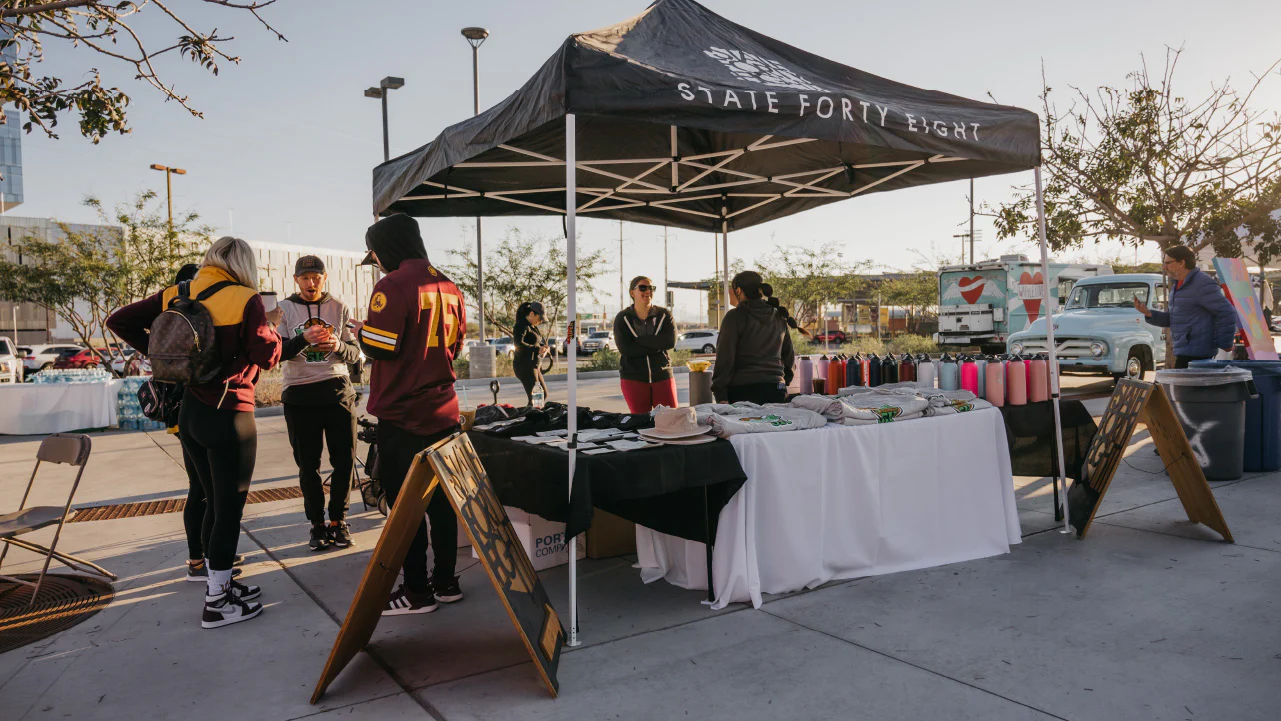
Rock & Metal Merchandising: A Powerful Business Opportunity in a Loyal Market – Rock and metal may look like niche genres, but behind the loud music and heavy visuals lies one of the most loyal consumer bases in the world. This loyalty turns rock & metal merchandising into a serious business opportunity, not just a side product for bands.
Unlike trend-driven fashion markets, rock and metal merch is built on long-term passion. Fans don’t just buy once—they keep collecting.
Why the Rock & Metal Market Is Different
Most consumer markets rely on trends that come and go. Rock and metal fans, however, often stay loyal to the same bands and styles for years, even decades.
This creates a unique environment where:
- Demand is stable, not seasonal
- Brand loyalty is extremely strong
- Fans value authenticity over hype
For merch sellers, this means predictable demand and repeat customers.
Merch Is Not Just for Big Bands
Many people think merchandising only works for famous bands. In reality, smaller and independent bands often see higher engagement per fan.
Indie bands usually have:
- More personal fan relationships
- Higher merch-to-fan purchase ratios
- Direct communication through social media
This makes merch an ideal revenue stream even at early stages of a band’s career.
Popular Merch Categories in Rock & Metal
Rock & metal merchandising goes far beyond T-shirts. Successful merch businesses diversify their product range.
High-performing merch categories include:
- Band T-shirts and long sleeves
- Hoodies and jackets
- Hats, beanies, and caps
- Patches, pins, and badges
- Posters, flags, and wall art
- Accessories like bracelets and wallets
Smaller items often sell well because they’re affordable and easy to ship globally.
Pricing Strategy That Actually Works
Rock and metal fans understand value. They are willing to pay more for merch that feels authentic and well-made.
Effective pricing strategies often include:
- Tiered pricing (basic vs premium items)
- Limited edition drops
- Bundle deals (shirt + patch, hoodie + poster)
Low prices are not always the best approach. Perceived value matters more than cheapness.
Online Sales Dominate the Market
Today, most rock & metal merch sales happen online. Official websites, marketplaces, and social media shops allow bands and merch brands to sell worldwide.
Online selling offers:
- Lower overhead costs
- Global reach
- Easier inventory management
Pre-orders are especially popular because they reduce financial risk and overproduction.
Branding Is Everything
In rock & metal merchandising, branding is not optional. Fans can instantly tell whether merch feels genuine or generic.
Strong merch brands usually have:
- Consistent visual identity
- Clear genre positioning
- Original artwork
Merch that feels mass-produced without soul rarely performs well in this market.
Production and Supply Chain Considerations
Successful merch businesses pay close attention to production quality. Poor printing or cheap materials quickly damage reputation.
Key production factors include:
- Fabric quality
- Print durability
- Fit and sizing accuracy
- Ethical production standards
Reliable suppliers and clear quality control processes are essential for long-term success.
Merch as a Marketing Tool
Merch is not just a product—it’s moving advertising. Every time a fan wears a band shirt, they promote the brand.
This organic marketing:
- Costs nothing extra
- Feels authentic
- Reaches the right audience
Many bands and labels treat merch as part of their marketing strategy, not just a revenue source.
Expanding Beyond Bands
Rock & metal merchandising is no longer limited to bands alone. Labels, festivals, media platforms, and even independent designers now create merch inspired by the culture.
This opens opportunities for:
- Genre-based clothing brands
- Festival merchandise
- Rock-themed lifestyle products
You don’t need a band to succeed—understanding the culture is enough.
Common Mistakes in Rock & Metal Merchandising
Many merch projects fail due to avoidable mistakes:
- Overproducing stock
- Ignoring fan feedback
- Copying designs from other bands
- Sacrificing quality for profit
The rock and metal audience quickly notices shortcuts.
Long-Term Potential of the Market
Rock and metal are not disappearing. New bands, subgenres, and generations of fans continue to emerge.
As long as the music exists, merchandising will remain relevant. The market may not explode overnight, but it grows steadily and sustainably.
Final Thoughts
Rock & metal merchandising is a business built on loyalty, authenticity, and consistency. It rewards those who understand the culture and respect the audience.
For bands, it’s financial survival. For entrepreneurs, it’s access to one of the most dedicated markets in the world. And for fans, it remains a meaningful way to support what they love.