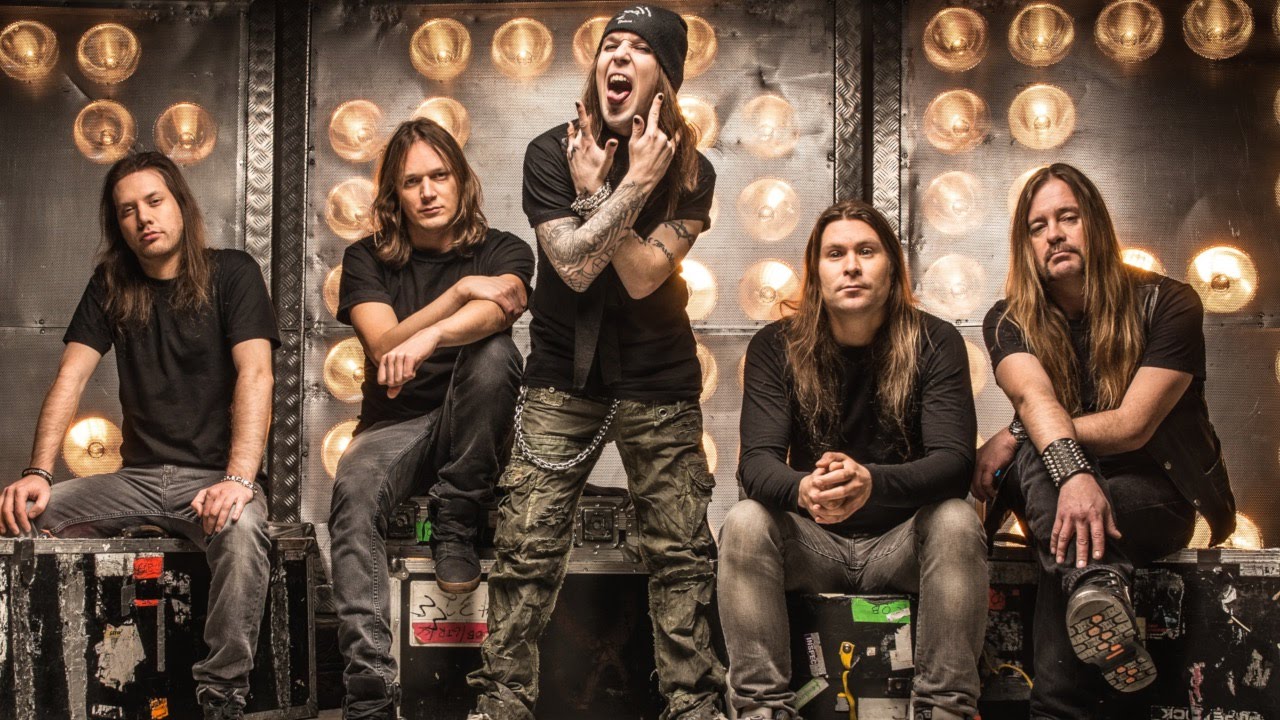
Modern Rock and Metal Bands
Modern Rock and Metal Bands – Rock and metal music have never really disappeared. They evolved. Over the last two decades, modern rock and metal bands have reshaped the genre, blending classic influences with fresh sounds, new production styles, and themes that resonate with today’s audience. While the golden era of rock may feel distant to some listeners, the modern scene proves that heavy music is still alive, creative, and constantly evolving.
Today’s bands are not just copying the past. They are redefining what rock and metal mean in a digital era, where streaming platforms, social media, and global fanbases play a major role in shaping success.
The Evolution of Modern Rock Music
Modern rock bands take inspiration from classic rock while embracing contemporary elements. Instead of sticking to one strict formula, many artists mix alternative rock, indie, electronic textures, and even pop sensibilities into their sound.
Bands like Arctic Monkeys, Muse, and Royal Blood helped push modern rock into mainstream relevance again. Their music feels familiar yet modern, combining strong guitar riffs with catchy melodies and bold experimentation. Lyrics often focus on personal struggles, social anxiety, modern relationships, and cultural change, making the songs relatable to younger listeners.
What separates modern rock from older generations is production. Clean mixing, layered sounds, and atmospheric effects are common. The raw energy is still there, but it is presented in a more polished and accessible way, allowing rock music to compete in today’s crowded music landscape.
The Role of Alternative and Indie Influence
Alternative rock and indie rock play a huge role in shaping modern rock bands. Many artists avoid the traditional “rock star” image and focus more on authenticity. This shift helped rock music connect with audiences who value emotion, honesty, and individuality over flashy performances.
Modern rock bands often build loyal fanbases through storytelling, social media engagement, and consistent releases rather than relying on radio hits alone. This approach keeps the genre relevant without sacrificing its core identity.
Modern Metal Bands and the New Heavy Movement
Metal has also undergone a massive transformation. Modern metal bands are heavier, more technical, and more diverse than ever before. Genres like metalcore, progressive metal, djent, and alternative metal dominate the scene, attracting listeners who want intensity mixed with innovation.
Bands such as Bring Me The Horizon, Architects, and Slipknot have helped redefine modern metal. They blend aggressive riffs, breakdowns, and screaming vocals with melodic choruses and electronic elements. This balance allows modern metal to appeal to both hardcore fans and casual listeners.
The themes explored in modern metal are often deeper and more emotional. Mental health, personal loss, social pressure, and inner conflict are common topics. Instead of focusing purely on fantasy or rebellion, modern metal bands speak directly to real-life experiences.
Technical Skill Meets Emotional Expression
One defining feature of modern metal bands is their technical skill. Complex guitar work, intricate drum patterns, and unconventional song structures are widely appreciated. However, technical ability is no longer enough on its own.
The most successful modern metal bands combine skill with emotional expression. Fans connect not just with the sound, but with the message behind the music. This emotional depth helps metal remain relevant and meaningful in a constantly changing world.
The Impact of Streaming and Digital Platforms
Streaming platforms have changed how modern rock and metal bands grow their audience. Instead of relying on record labels or traditional media, bands can now reach fans directly. This shift allows underground artists to gain global recognition without massive budgets.
Modern bands release singles more frequently, experiment with shorter formats, and interact with fans through online content. This direct connection builds stronger communities and keeps listeners engaged between releases.
For SEO and digital visibility, this evolution matters. Modern rock and metal bands are often searched online by genre, mood, and influence rather than album sales or chart positions. This creates endless opportunities for content focused on discovery and recommendation.
Live Performances in the Modern Era
Despite the rise of digital platforms, live performances remain essential. Modern rock and metal bands are known for high-energy shows, immersive visuals, and intense crowd interaction. Concerts are no longer just about music; they are full experiences.
Festivals and tours help bands build long-term fan loyalty. Even smaller bands can gain attention through powerful live performances shared across social media. This blend of physical and digital exposure keeps the scene dynamic and competitive.
The Importance of Community
One reason modern rock and metal survive is the sense of community. Fans feel connected not only to the bands but also to each other. Online forums, fan groups, and concert meetups strengthen this bond.
This community-driven culture helps newer bands rise quickly when their message and sound resonate. It also keeps older bands relevant as they evolve alongside their audience.
Why Modern Rock and Metal Still Matter
Modern rock and metal bands prove that heavy music is not stuck in the past. The genres continue to grow, adapt, and reflect the emotions of each generation. They offer an outlet for expression, rebellion, and connection in a world that often feels overwhelming.
For listeners, modern rock and metal provide both energy and comfort. For artists, they offer creative freedom and global reach. As long as musicians continue to innovate and speak honestly, rock and metal will never fade away.
The modern era has given these genres new life, new voices, and a powerful future. Whether through distorted guitars or emotional lyrics, modern rock and metal bands continue to shape the sound of heavy music today and beyond.