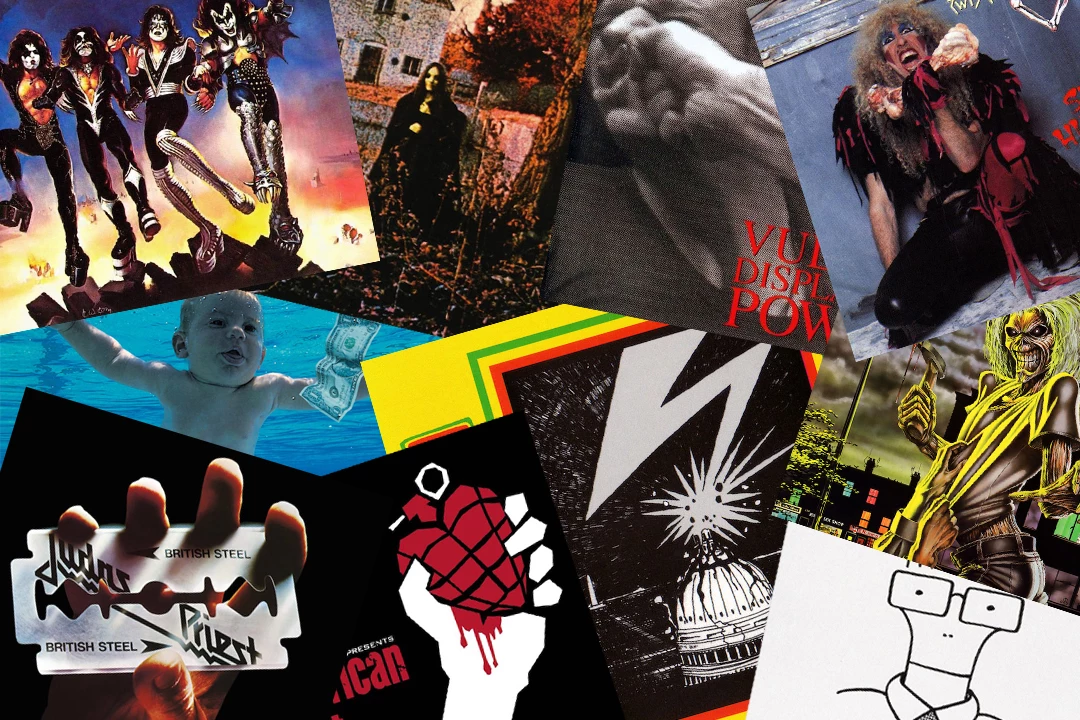
The Story Behind Iconic Metal Album Covers – When people talk about heavy metal, the conversation usually circles around riffs, vocals, and legendary live performances. But there’s another powerful element that helped shape the genre’s identity: the album cover. Long before streaming platforms took over, fans discovered new bands by staring at record sleeves in dimly lit music stores. Iconic metal album covers were more than just packaging. They were statements, manifestos, and sometimes even warnings.
From dark fantasy landscapes to controversial imagery, metal album artwork has always pushed boundaries. In this article, we’ll explore the story behind some of the most iconic metal album covers and why they remain unforgettable in music history.
The Rise of Visual Identity in Heavy Metal
Heavy metal has always been theatrical. From leather jackets and face paint to elaborate stage sets, the genre thrives on strong visual identity. Album covers became a crucial part of that image, helping bands stand out in a crowded market.
In the late 1970s and 1980s, record stores were competitive spaces. A striking album cover could be the difference between someone picking up a record or walking past it. Metal bands understood this early on. They invested heavily in artwork that reflected their sound: dark, aggressive, epic, or mysterious.
One of the earliest examples of strong visual branding in metal comes from Iron Maiden. Their mascot Eddie became one of the most recognizable figures in rock history, appearing on nearly every album cover and tour poster.
Iron Maiden – The Number of the Beast
Released in 1982, The Number of the Beast is not just a landmark heavy metal album; its cover art is equally legendary. The artwork features Eddie controlling a puppet-like devil, while the devil himself controls a smaller Eddie. This layered imagery sparked controversy, especially in conservative communities.
The cover perfectly captured the album’s dark themes while also generating massive publicity. Religious groups protested, records were burned, and debates filled the media. For the band, the controversy only fueled their popularity. It proved that an iconic metal album cover could influence culture just as much as the music itself.
Dark Art and Controversy in Thrash Metal
As metal evolved in the 1980s, thrash metal brought faster riffs and harsher themes. The album covers followed suit, often reflecting political anger and social decay.
One of the most recognizable examples comes from Metallica with their groundbreaking album Master of Puppets. The cover shows a field of white crosses connected by strings to a pair of hands in the sky, symbolizing control and manipulation.
The image is simple but deeply powerful. It complements the album’s themes of addiction and control, particularly in the title track. Over the years, this artwork has become one of the most iconic metal album covers of all time. Even fans who don’t listen to metal recognize it instantly.
Another controversial cover in thrash history is Reign in Blood by Slayer. The chaotic, almost nightmarish artwork reflects the intensity of the music inside. Religious imagery mixed with violence created outrage and fascination at the same time. Like many metal covers, it was designed to provoke, and it succeeded.
Fantasy Worlds and Heavy Metal Art
Not all iconic metal album covers focus on shock value. Many draw inspiration from fantasy and mythology, creating entire universes that fans can immerse themselves in.
A perfect example is Painkiller by Judas Priest. The cover features a futuristic metal angel riding a mechanical dragon-like creature. It’s bold, colorful, and unapologetically dramatic.
This kind of artwork connects metal to fantasy literature and comic book aesthetics. It allows fans to escape reality and step into larger-than-life stories. The cover art becomes part of the mythos, shaping how listeners interpret the music.
Similarly, Holy Diver by Dio features the band’s mascot Murray the demon throwing a chained priest into the sea. The imagery sparked controversy but also reinforced the band’s fantasy-driven themes. Over time, it became one of the most iconic metal album covers ever created.
Shock Value and Censorship
Heavy metal has never shied away from controversy. In fact, shock value often played a strategic role in marketing.
Take Vulgar Display of Power by Pantera. The cover famously shows a man being punched in the face. The raw aggression of the image mirrors the album’s brutal sound. It’s simple but unforgettable.
Another infamous example is Blizzard of Ozz by Ozzy Osbourne. The cover features Ozzy in a dramatic, gothic setting, holding a cross. Combined with his controversial stage antics at the time, the artwork helped cement his reputation as the “Prince of Darkness.”
In many cases, censorship attempts only amplified interest. Retailers sometimes refused to stock certain covers, forcing bands to create alternative versions. However, these controversies often made fans even more eager to get their hands on the original artwork.
The Role of Artists Behind the Covers
Behind every iconic metal album cover is a talented visual artist. Many of them became legends in their own right. Their work defined not just one band, but entire eras of heavy metal.
Artists collaborated closely with musicians to translate sound into imagery. They listened to demos, read lyrics, and discussed themes before putting paint to canvas. This deep creative process is one reason why classic metal covers feel so authentic and timeless.
In the pre-digital era, most covers were hand-painted. That added a unique texture and depth that modern digital designs sometimes struggle to replicate. Today, vinyl collectors still treasure original pressings partly because of their large, detailed artwork.
Why Iconic Metal Album Covers Still Matter
Even in the age of Spotify and Apple Music, iconic metal album covers continue to hold cultural value. They appear on T-shirts, posters, tattoos, and social media feeds. For many fans, the artwork is inseparable from the music.
Album covers also help preserve the history of heavy metal. When someone sees Eddie from Iron Maiden or the graveyard crosses from Metallica, they immediately connect to a specific era and sound. The visual memory reinforces the emotional experience of the songs.
From controversial imagery to epic fantasy scenes, metal album artwork tells stories that go beyond the music. It reflects rebellion, creativity, and a refusal to follow mainstream rules. That’s why discussions about the most iconic metal album covers never truly end.
In the end, heavy metal is as much about atmosphere as it is about sound. The cover art sets the tone before the first note even plays. And for decades, these bold, unforgettable images have helped define what metal truly looks and feels like.