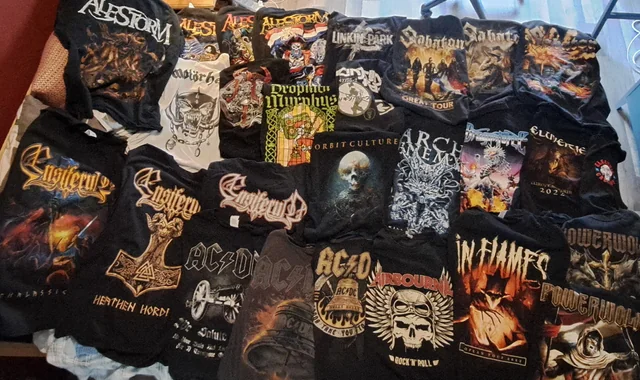
Rock & Metal Merchandising as a Lifestyle Statement – Rock and metal merchandising is not just about buying band-related products. For many fans, it is a way of life. What someone wears, collects, or displays often reflects their taste, values, and connection to the music. In the rock and metal world, merchandise functions as both personal expression and cultural symbol.
From battle jackets covered in patches to faded tour shirts worn for years, merch tells stories that go far beyond branding.
Merchandise as Identity
In rock and metal culture, identity matters. Fans don’t just listen to music; they live it. Merchandise becomes an extension of that identity. Wearing a band logo can communicate musical taste, attitude, and even philosophy.
A single shirt can say a lot:
- What genre someone connects with
- Which era of music they prefer
- Whether they lean underground or mainstream
For many fans, merch is not chosen randomly. It reflects who they are and what they stand for.
The Meaning Behind Wearing Band Merch
Unlike generic fashion, rock and metal merchandise often carries emotional weight. A shirt might represent a first concert, a favorite album, or a band that helped someone through a difficult time.
That emotional connection makes merch feel personal. It’s not about trends or seasonal fashion. It’s about memory and meaning. This is why fans continue wearing old, worn-out shirts long after they fade.
Merch Beyond the Stage
While concerts remain central to merchandising, rock and metal merch exists far beyond live shows. Fans wear band apparel in daily life, turning everyday spaces into expressions of music culture.
In schools, workplaces, and public spaces, band merch becomes a quiet signal. Sometimes it leads to conversations, friendships, or shared recognition between strangers who love the same music.
DIY Culture and Personal Customization
One unique aspect of rock and metal merchandising is customization. Many fans personalize their merch rather than keeping it untouched.
Common forms of customization include:
- Sewing patches onto jackets
- Cutting sleeves off shirts
- Adding studs, pins, or paint
- Mixing different band designs
This DIY approach reflects the rebellious roots of rock and metal. It shows that merch is not just consumed—it is transformed.
Underground Scenes and Limited Availability
In underground rock and metal scenes, merchandise often has limited availability. Small runs, hand-printed designs, and show-only items are common.
This scarcity increases emotional value. Owning a shirt from a small band’s early days or a local gig can feel more meaningful than mass-produced items. It represents support and participation in the scene.
For underground fans, merch is a badge of authenticity.
The Role of Artwork and Design
Visual art is a major part of rock and metal merchandising. Album covers, symbols, and logos are carefully chosen to reflect the band’s sound and message.
Designs often explore:
- Dark or aggressive imagery
- Mythology and fantasy
- Social and political themes
- Abstract or symbolic visuals
Fans often connect to these visuals as much as the music itself. A strong design can make merch iconic and timeless.
Merch as a Connection Between Fans
Merchandising also connects fans to each other. Seeing someone wearing the same band shirt can instantly create a sense of belonging.
In many cases, merch acts as a conversation starter. It breaks social barriers and builds community, especially in environments where rock and metal are not mainstream.
This shared recognition strengthens the culture and keeps it alive.
Collectors and Emotional Value
Some fans go beyond wearing merch and become collectors. They search for rare items, vintage prints, or discontinued designs. While some pieces gain financial value, emotional value is often more important.
Collectors usually value:
- Items linked to specific tours
- Early band merchandise
- Autographed products
- Unique or misprinted designs
Each item represents a moment in music history and personal experience.
Authenticity Over Perfection
Rock and metal fans often value authenticity more than perfection. A slightly flawed shirt, uneven print, or rough stitching can actually add character.
This attitude reflects the roots of the genre. Raw energy, honesty, and imperfection are often celebrated. Merchandise that feels too polished can sometimes feel disconnected from the spirit of the music.
Merch in the Digital Age
Despite the dominance of streaming and digital media, physical merchandise remains important. In a world where music is often invisible, merch provides something tangible.
Owning physical items creates a sense of permanence. It allows fans to hold onto something real in an increasingly digital environment.
Even as platforms change, merch remains constant.
Supporting Artists Through Merchandise
For many bands, especially independent ones, merchandise sales are a crucial source of support. Buying merch is often one of the most direct ways fans can help artists continue creating music.
This relationship creates mutual respect. Fans feel closer to the band, and artists feel supported beyond just streams or likes.
The Cultural Impact of Rock & Metal Merch
Rock and metal merchandise has influenced culture far beyond music. It has shaped fashion, inspired visual art, and contributed to subcultures worldwide.
Band logos and designs have become cultural symbols recognized even by people outside the scene. Yet, for true fans, the meaning remains deeply personal.
Conclusion
Rock and metal merchandising is not just about products—it’s about identity, connection, and culture. Each shirt, patch, or record carries stories, memories, and values tied to the music.
In a world that constantly changes, rock and metal merch remains a powerful way for fans to express who they are and what they love. As long as the music continues to inspire, merchandising will remain a living part of the rock and metal lifestyle.