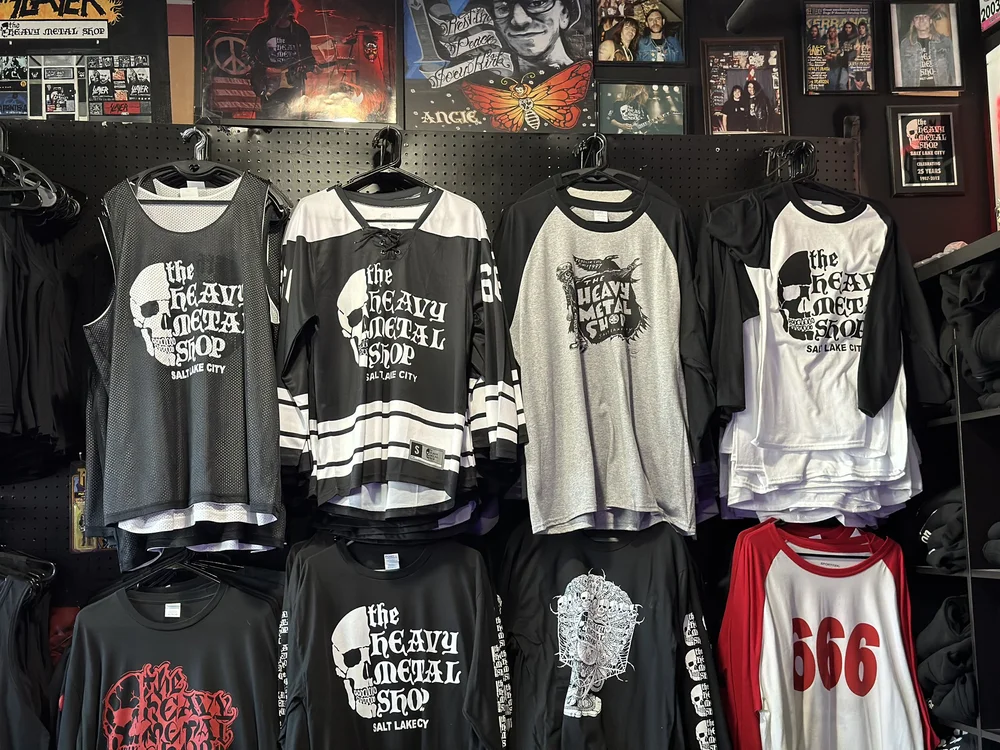
Rock & Metal Merchandising: More Than Just Band Merchandise – Rock and metal merchandising has always been more than a way to sell products. For fans, it represents identity, loyalty, and connection to the music that shaped their lives. From classic band t-shirts to limited vinyl releases, merchandising plays a vital role in rock and metal culture worldwide.
Over the decades, rock and metal merch has evolved from simple concert souvenirs into a global industry with its own trends, collectors, and loyal communities.
The Roots of Rock and Metal Merchandise
Rock merchandising began gaining popularity in the late 1960s and 1970s, alongside the rise of legendary bands. Early merchandise was simple—mostly t-shirts sold at concerts, often printed with basic logos or album artwork.
As metal gained momentum in the 1980s, bands realized that merchandise could become a powerful extension of their image. Fans wanted more than music; they wanted something tangible to represent their passion. This era introduced iconic designs that are still worn today.
Merchandise became a symbol of belonging. Wearing a band shirt wasn’t just fashion—it was a statement.
Why Merch Matters to Rock and Metal Fans
For many fans, rock and metal are not casual interests. They are lifestyles. Merchandising allows fans to express that connection publicly.
A band shirt can:
- Represent personal taste
- Spark conversations with other fans
- Show support for a favorite band
- Carry emotional memories from concerts
Unlike mainstream fashion, rock and metal merch often carries deeper meaning. Each item tells a story, whether it’s a first concert, a favorite album, or a band that helped someone through difficult times.
Popular Types of Rock & Metal Merchandise
Rock and metal merchandising goes far beyond t-shirts. Today, fans can choose from a wide variety of products.
Some of the most popular items include:
- Band t-shirts and hoodies
- Hats, patches, and pins
- Vinyl records and cassette tapes
- Posters and wall flags
- Accessories like wallets, belts, and jewelry
Limited-edition items, especially tour-exclusive merch, are highly valued by collectors and dedicated fans.
Band Identity and Visual Art
One of the most distinctive aspects of rock and metal merchandising is visual identity. Album artwork, logos, and typography play a major role in how merch looks and feels.
Metal bands, in particular, are known for bold visuals:
- Dark and aggressive imagery
- Complex logos
- Fantasy, horror, or mythological themes
These visuals help bands stand out and create a consistent image across albums, tours, and merchandise.
Touring and Merchandise Sales
Live shows remain one of the most important places for merchandise sales. Concert merch tables are often crowded before and after performances.
For bands, especially independent or underground acts, merchandise sales can be a major source of income. Touring is expensive, and merch helps cover costs such as transportation, equipment, and crew expenses.
For fans, buying merch at a show feels personal. It’s a way to directly support the band and take home a physical reminder of the experience.
Independent Bands and DIY Merch Culture
Not all rock and metal merch comes from major labels or large distributors. The DIY (do-it-yourself) culture remains strong, especially in underground scenes.
Many independent bands:
- Design their own merch
- Print limited runs
- Sell directly through shows or online
This approach creates a closer connection between artists and fans. DIY merch often feels more authentic and personal, which appeals to dedicated listeners.
Online Stores and Global Reach
The internet has changed rock and metal merchandising dramatically. Fans no longer need to attend shows to buy merch. Official band stores, online marketplaces, and independent merch platforms allow global access.
Online merchandising has made it possible for:
- Smaller bands to reach international fans
- Collectors to find rare items
- Fans to support bands from anywhere
Despite this shift, physical merch remains highly valued in a digital world.
Fashion Influence Beyond Music
Rock and metal merchandising has influenced mainstream fashion for decades. Band shirts are no longer worn only by fans. They appear in streetwear, high-fashion collections, and pop culture.
Classic band logos have become timeless designs. Even people unfamiliar with certain bands recognize iconic imagery from rock and metal history.
However, for true fans, merch still holds a deeper meaning beyond trends.
Authenticity and Trust in Merchandising
Authenticity is crucial in rock and metal merchandising. Fans value official merchandise and original designs. Poor-quality or fake products often fail to earn respect within the community.
Well-made merch:
- Lasts longer
- Feels more meaningful
- Reflects respect for the band and fans
Quality materials and thoughtful design show commitment, which fans notice and appreciate.
Collecting Rock & Metal Merchandise
For some fans, merch collecting becomes a serious hobby. Vintage shirts, first-press vinyl, and rare tour items can gain significant value over time.
Collectors often look for:
- Original prints
- Limited editions
- Items linked to specific tours or albums
Beyond monetary value, collectors appreciate the history and memories attached to each piece.
The Emotional Side of Merchandise
Rock and metal merchandise often carries emotional weight. A shirt from a legendary concert, a vinyl signed by a favorite band, or a patch sewn onto a jacket can represent years of memories.
These items become personal artifacts, not just products. They remind fans of moments, friendships, and the music that shaped their identity.
The Future of Rock & Metal Merchandising
As music consumption continues to evolve, merchandising remains a stable and important part of rock and metal culture. New printing techniques, sustainable materials, and creative collaborations are shaping the future.
While trends may change, the core purpose stays the same: connecting fans to the music they love.
Conclusion
Rock and metal merchandising is far more than selling products. It is a cultural expression, a form of identity, and a bridge between bands and fans. From classic t-shirts to rare collectibles, merch represents loyalty, passion, and shared history.
As long as rock and metal music continue to inspire, merchandise will remain a powerful symbol of the scene and the people who live for it.