The Best Rock & Metal Festivals Around the World

Rock and Metal’s Influence on Fashion and Style
Rock and Metal’s Influence on Fashion and Style – When it comes to music, few genres have left as bold a mark on fashion and style as rock and metal. From leather jackets to studded belts, these music movements didn’t just influence what people listened to—they changed the way people dressed, expressed themselves, and even carried an attitude. Rock and metal fashion has evolved over decades, yet its impact remains visible in streetwear, high fashion, and everyday style.
The Origins of Rock and Metal Fashion
The roots of rock and metal fashion can be traced back to the 1950s and 1960s with rock and roll pioneers. Early rockers like Elvis Presley made leather jackets, slicked-back hair, and dark jeans iconic. These items weren’t just clothing; they represented rebellion, confidence, and a break from mainstream norms.
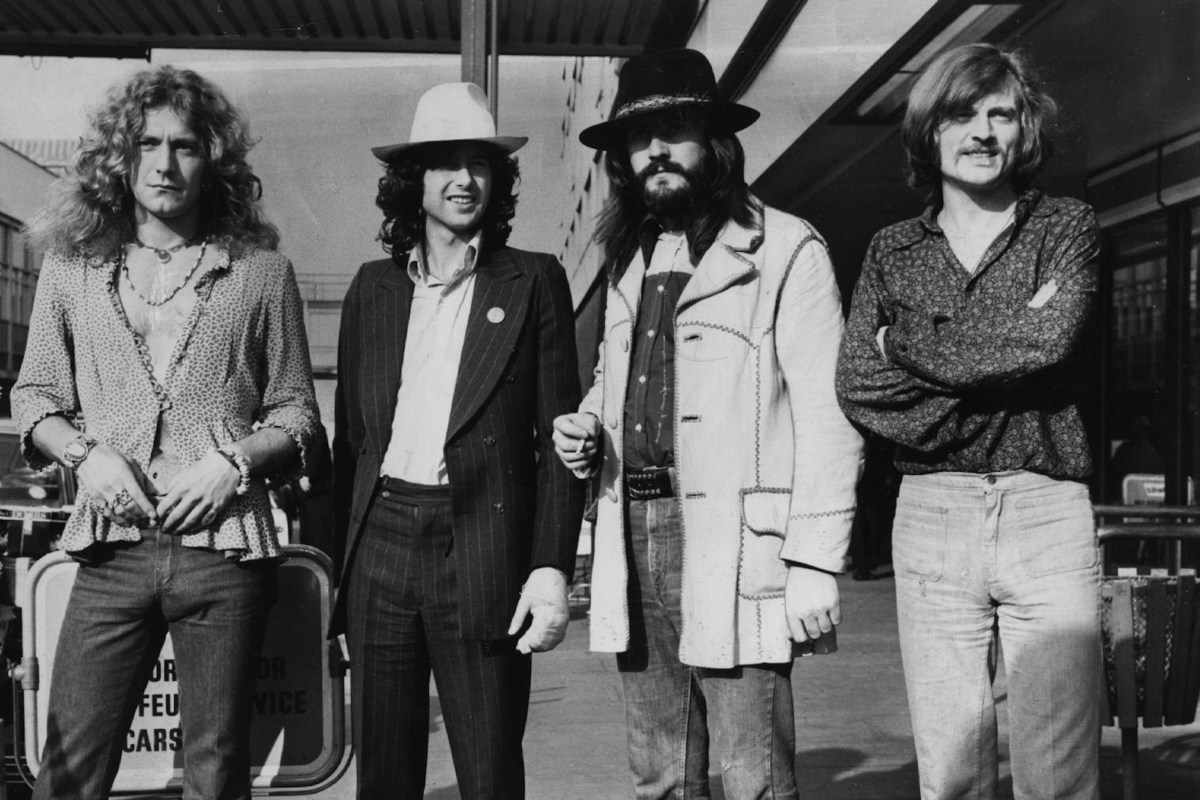
As heavy metal began emerging in the late 1960s and 1970s, the style became darker and more dramatic. Bands like Black Sabbath and Led Zeppelin embraced black clothing, long hair, and boots, which conveyed a raw, edgy, and powerful presence. This aesthetic quickly resonated with fans who wanted to express a similar sense of identity and nonconformity.
Leather, Denim, and the Power of Accessories
One of the most recognizable aspects of rock and metal fashion is leather. Leather jackets, pants, and vests became staples not only because they looked cool but also because they symbolized toughness and freedom. Paired with ripped jeans, it created a look that was rugged, rebellious, and instantly identifiable.
Denim also played a key role, particularly when it came to jackets and jeans adorned with patches or pins of favorite bands. These items allowed fans to personalize their style, showing off their musical taste while embracing a DIY attitude.
Accessories such as studded belts, chains, and bandanas became more than mere decoration—they were statements. For metal fans, studs and spikes were often symbols of aggression and individuality, while bandanas could express both style and subcultural identity.
Influence on Hair and Makeup
Rock and metal didn’t stop at clothing. Hair and makeup were essential components of the overall style. Long, wild hair became a signature look for metal fans and musicians alike, representing freedom and rebellion. The glam metal era of the 1980s took this even further, with teased hair, heavy eyeliner, and bold colors, blending theatricality with music culture.
Makeup, once considered feminine, was embraced in the rock and metal scene to create striking visual statements. Black eyeliner, dark lipstick, and dramatic eye makeup helped musicians stand out on stage and inspired fans to experiment with their own appearance, blurring the lines between music, art, and fashion.
Stage Fashion vs. Street Style
One fascinating aspect of rock and metal fashion is how it translated from the stage to the streets. While musicians often wore exaggerated and theatrical outfits during performances, fans adapted these looks for everyday wear. Leather jackets, band t-shirts, ripped jeans, and boots became common staples for those wanting to capture a slice of the music scene without overdoing it.
Street style also allowed for more personal expression. Fans could mix punk, metal, and rock elements into a look that felt unique, combining vintage pieces with modern trends. This adaptability ensured that rock and metal fashion remained relevant across decades, influencing each new generation in different ways.
High Fashion and Rock Influence
Over the years, designers began taking cues from rock and metal culture. Luxury brands started incorporating leather, studs, and distressed fabrics into runway collections. Designers like Alexander McQueen and Hedi Slimane drew inspiration from the rebellious, edgy energy of these music genres, bringing them into high fashion and mainstream visibility.
This crossover helped rock and metal fashion evolve beyond subcultures, influencing broader trends in casual wear and streetwear. Today, elements like band t-shirts, biker jackets, and combat boots are considered versatile fashion staples, proving that music style can translate seamlessly into everyday wardrobes.
Modern Rock and Metal Style
Modern rock and metal fashion continues to thrive, merging classic elements with contemporary trends. Social media has played a role in spreading these styles worldwide, allowing fans to showcase their interpretations and inspire others. Vintage band merchandise has become highly sought after, while sustainable fashion trends have encouraged fans to upcycle old clothing in true rock and metal DIY spirit.
Today’s style is less rigid than in the past. You’ll find metal fans mixing elegance with edge, pairing tailored jackets with distressed jeans or combat boots with flowing dresses. This evolution shows that rock and metal’s influence on fashion isn’t just about rebellion—it’s about self-expression, creativity, and identity.
Why Rock and Metal Fashion Still Matters
The lasting appeal of rock and metal fashion lies in its authenticity. It’s a style born from music, culture, and attitude. Unlike fleeting fashion trends, it carries a story, a sense of community, and an attitude that resonates with people across generations.
For those building a personal brand, starting a clothing line, or simply looking to make a statement, incorporating elements of rock and metal fashion can add depth and personality. From the classic leather jacket to bold accessories and statement hair, these styles communicate confidence, individuality, and a connection to one of the most influential music cultures in history.
Conclusion
Rock and metal have done more than shape music—they’ve defined a visual language of style and self-expression. From the rebellious roots of leather jackets and ripped jeans to the glam and dramatic flair of modern metal, this influence continues to inspire fashion designers, fans, and everyday wardrobes.
Whether you’re drawn to the raw energy of classic metal, the glam of 1980s rock, or the edgy streetwear inspired by band culture, one thing is clear: rock and metal’s imprint on fashion is undeniable. It’s a culture that refuses to fade, constantly evolving while remaining true to its core message—express yourself boldly, live authentically, and never be afraid to stand out.

From Punk to Metal: The Crossroads of Rock Music
From Punk to Metal: The Crossroads of Rock Music – Rock music has always been about rebellion, identity, and evolution. Over the decades, it has branched into countless subgenres, each carrying its own attitude and sound. Among the most influential crossroads in rock history is the intersection between punk and metal. These two movements, though different in tone and technique, have constantly influenced one another, creating some of the most intense and iconic sounds in modern music.
From the raw energy of 1970s punk to the thunderous complexity of heavy metal, the journey is filled with cultural shifts, musical experimentation, and fearless creativity. Understanding this crossover not only reveals how rock evolved, but also why it continues to stay relevant generation after generation.
The Rise of Punk Rock: Stripped Down and Loud
In the mid-1970s, bands like Ramones, Sex Pistols, and The Clash exploded onto the scene with a sound that was fast, aggressive, and unapologetically simple. Punk rock was a reaction. It pushed back against the polished production and long instrumental solos that had started to dominate mainstream rock.
The philosophy was clear: three chords, high energy, and something real to say. Songs were short, direct, and emotionally charged. Punk was not just a genre; it was a cultural statement. It embraced DIY ethics, anti-establishment messages, and an aesthetic that rejected excess.
While punk stripped rock down to its bare bones, it also injected a level of intensity that would eventually bleed into other genres. The speed and aggression of punk laid groundwork that metal musicians would later build upon.
Heavy Metal Finds Its Edge
Heavy metal had already been forming through bands like Black Sabbath, Led Zeppelin, and Deep Purple. These groups introduced darker themes, heavier guitar riffs, and powerful vocals. Metal was bigger, louder, and often more technically complex than punk.
However, in the late 1970s and early 1980s, something interesting happened. Metal began absorbing punk’s raw aggression. The result was faster tempos, harsher vocals, and a more confrontational stage presence. Bands were no longer just focusing on musicianship; they were channeling pure energy.
This fusion created an entirely new path for metal. It was no longer just about epic songs and fantasy themes. It became sharper, more street-driven, and more intense.
The Birth of Thrash Metal
One of the clearest examples of punk and metal colliding is thrash metal. Bands like Metallica, Slayer, Megadeth, and Anthrax took the speed of hardcore punk and fused it with metal’s technical precision.
Thrash was aggressive but controlled. The guitar riffs were rapid and intricate. The drumming was relentless. Vocals were shouted or snarled rather than sung in traditional melodies. This style captured the anger and urgency of punk while preserving metal’s complexity.
The crossover was not accidental. Many thrash musicians openly cited punk bands as major influences. They attended the same underground shows, shared rehearsal spaces, and grew within similar countercultural communities.
Hardcore Punk and Extreme Metal
As punk evolved, hardcore punk emerged with even faster tempos and heavier sounds. Bands such as Black Flag and Minor Threat intensified the raw energy of early punk. Their sound was stripped down but brutally powerful.
This hardcore movement had a direct impact on extreme metal genres like death metal and grindcore. The emphasis on speed, aggression, and minimalism influenced metal musicians who wanted to push boundaries even further.
Later bands like Pantera incorporated hardcore grooves and attitude into metal, helping shape groove metal in the 1990s. The blending of punk’s directness with metal’s heaviness created a new sonic landscape that felt authentic and aggressive at the same time.
Shared Culture and Underground Roots
Beyond sound, punk and metal share cultural similarities. Both scenes have historically thrived in underground environments. Independent labels, DIY tours, and local venues became essential spaces for growth.
Punk emphasized accessibility. Anyone could start a band. Metal emphasized dedication and craft. When these mentalities met, they formed a powerful combination: accessible aggression with technical ambition.
The crossover audience also grew organically. Fans who loved fast, loud music often attended both punk and metal shows. Zines, tape trading, and word-of-mouth promotion kept both communities alive long before social media existed.
The 1990s and the Blurring of Lines
By the 1990s, genre boundaries became increasingly fluid. Bands began mixing elements freely without worrying about labels. Groups like Rage Against the Machine blended punk energy, metal riffs, and hip-hop rhythms into something completely fresh.
Meanwhile, metalcore emerged as a direct fusion of hardcore punk and metal. Though initially underground, it eventually grew into a major force in modern heavy music. The DNA of both punk and metal was unmistakable in breakdowns, aggressive vocals, and socially charged lyrics.
This era proved that the crossroads of rock music was not a one-time event. It was an ongoing evolution. Each generation reinterpreted the blend differently.
Why the Punk-Metal Crossroad Still Matters
Today, the influence of punk on metal and vice versa remains strong. Many contemporary bands continue to mix raw aggression with heavy riffs. The DIY mindset from punk culture still inspires independent artists, while metal’s technical evolution continues pushing musicians to experiment.
The reason this crossroads remains important is simple. It represents creative freedom. It shows that genres are not rigid boxes but living forms of expression. When musicians refuse to follow strict boundaries, innovation happens.
For rock fans, exploring this intersection offers a deeper appreciation of the music. Listening to early punk next to thrash metal reveals clear connections. Hearing hardcore punk alongside extreme metal highlights shared intensity.
A Legacy Built on Rebellion
From the streets of 1970s New York and London to global festival stages, punk and metal have traveled far. What started as separate reactions to mainstream rock eventually intertwined, creating some of the most powerful subgenres in music history.
The story of punk and metal is ultimately about evolution. It is about artists challenging norms, fans supporting underground movements, and scenes growing through shared passion.
At the crossroads of rock music, something special happened. Speed met precision. Simplicity met complexity. Raw emotion met crushing heaviness.
The Story Behind Iconic Metal Album Covers
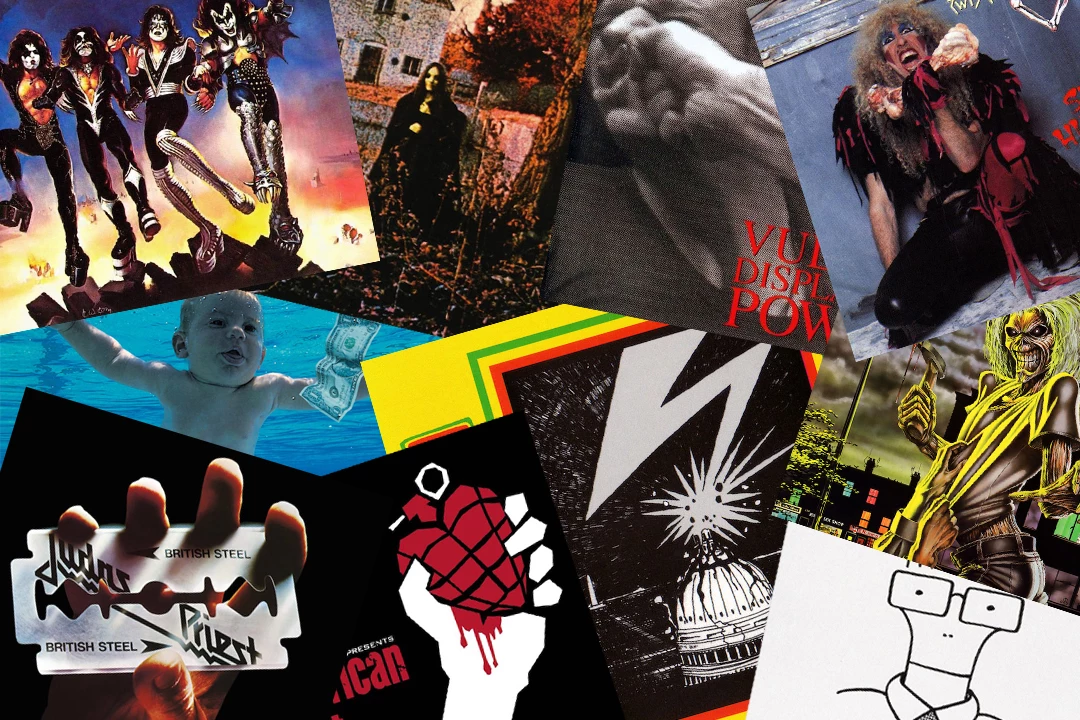
The Story Behind Iconic Metal Album Covers – When people talk about heavy metal, the conversation usually circles around riffs, vocals, and legendary live performances. But there’s another powerful element that helped shape the genre’s identity: the album cover. Long before streaming platforms took over, fans discovered new bands by staring at record sleeves in dimly lit music stores. Iconic metal album covers were more than just packaging. They were statements, manifestos, and sometimes even warnings.
From dark fantasy landscapes to controversial imagery, metal album artwork has always pushed boundaries. In this article, we’ll explore the story behind some of the most iconic metal album covers and why they remain unforgettable in music history.
The Rise of Visual Identity in Heavy Metal
Heavy metal has always been theatrical. From leather jackets and face paint to elaborate stage sets, the genre thrives on strong visual identity. Album covers became a crucial part of that image, helping bands stand out in a crowded market.
In the late 1970s and 1980s, record stores were competitive spaces. A striking album cover could be the difference between someone picking up a record or walking past it. Metal bands understood this early on. They invested heavily in artwork that reflected their sound: dark, aggressive, epic, or mysterious.
One of the earliest examples of strong visual branding in metal comes from Iron Maiden. Their mascot Eddie became one of the most recognizable figures in rock history, appearing on nearly every album cover and tour poster.
Iron Maiden – The Number of the Beast
Released in 1982, The Number of the Beast is not just a landmark heavy metal album; its cover art is equally legendary. The artwork features Eddie controlling a puppet-like devil, while the devil himself controls a smaller Eddie. This layered imagery sparked controversy, especially in conservative communities.
The cover perfectly captured the album’s dark themes while also generating massive publicity. Religious groups protested, records were burned, and debates filled the media. For the band, the controversy only fueled their popularity. It proved that an iconic metal album cover could influence culture just as much as the music itself.
Dark Art and Controversy in Thrash Metal
As metal evolved in the 1980s, thrash metal brought faster riffs and harsher themes. The album covers followed suit, often reflecting political anger and social decay.
One of the most recognizable examples comes from Metallica with their groundbreaking album Master of Puppets. The cover shows a field of white crosses connected by strings to a pair of hands in the sky, symbolizing control and manipulation.
The image is simple but deeply powerful. It complements the album’s themes of addiction and control, particularly in the title track. Over the years, this artwork has become one of the most iconic metal album covers of all time. Even fans who don’t listen to metal recognize it instantly.
Another controversial cover in thrash history is Reign in Blood by Slayer. The chaotic, almost nightmarish artwork reflects the intensity of the music inside. Religious imagery mixed with violence created outrage and fascination at the same time. Like many metal covers, it was designed to provoke, and it succeeded.
Fantasy Worlds and Heavy Metal Art
Not all iconic metal album covers focus on shock value. Many draw inspiration from fantasy and mythology, creating entire universes that fans can immerse themselves in.
A perfect example is Painkiller by Judas Priest. The cover features a futuristic metal angel riding a mechanical dragon-like creature. It’s bold, colorful, and unapologetically dramatic.
This kind of artwork connects metal to fantasy literature and comic book aesthetics. It allows fans to escape reality and step into larger-than-life stories. The cover art becomes part of the mythos, shaping how listeners interpret the music.
Similarly, Holy Diver by Dio features the band’s mascot Murray the demon throwing a chained priest into the sea. The imagery sparked controversy but also reinforced the band’s fantasy-driven themes. Over time, it became one of the most iconic metal album covers ever created.
Shock Value and Censorship
Heavy metal has never shied away from controversy. In fact, shock value often played a strategic role in marketing.
Take Vulgar Display of Power by Pantera. The cover famously shows a man being punched in the face. The raw aggression of the image mirrors the album’s brutal sound. It’s simple but unforgettable.
Another infamous example is Blizzard of Ozz by Ozzy Osbourne. The cover features Ozzy in a dramatic, gothic setting, holding a cross. Combined with his controversial stage antics at the time, the artwork helped cement his reputation as the “Prince of Darkness.”
In many cases, censorship attempts only amplified interest. Retailers sometimes refused to stock certain covers, forcing bands to create alternative versions. However, these controversies often made fans even more eager to get their hands on the original artwork.
The Role of Artists Behind the Covers
Behind every iconic metal album cover is a talented visual artist. Many of them became legends in their own right. Their work defined not just one band, but entire eras of heavy metal.
Artists collaborated closely with musicians to translate sound into imagery. They listened to demos, read lyrics, and discussed themes before putting paint to canvas. This deep creative process is one reason why classic metal covers feel so authentic and timeless.
In the pre-digital era, most covers were hand-painted. That added a unique texture and depth that modern digital designs sometimes struggle to replicate. Today, vinyl collectors still treasure original pressings partly because of their large, detailed artwork.
Why Iconic Metal Album Covers Still Matter
Even in the age of Spotify and Apple Music, iconic metal album covers continue to hold cultural value. They appear on T-shirts, posters, tattoos, and social media feeds. For many fans, the artwork is inseparable from the music.
Album covers also help preserve the history of heavy metal. When someone sees Eddie from Iron Maiden or the graveyard crosses from Metallica, they immediately connect to a specific era and sound. The visual memory reinforces the emotional experience of the songs.
From controversial imagery to epic fantasy scenes, metal album artwork tells stories that go beyond the music. It reflects rebellion, creativity, and a refusal to follow mainstream rules. That’s why discussions about the most iconic metal album covers never truly end.
In the end, heavy metal is as much about atmosphere as it is about sound. The cover art sets the tone before the first note even plays. And for decades, these bold, unforgettable images have helped define what metal truly looks and feels like.
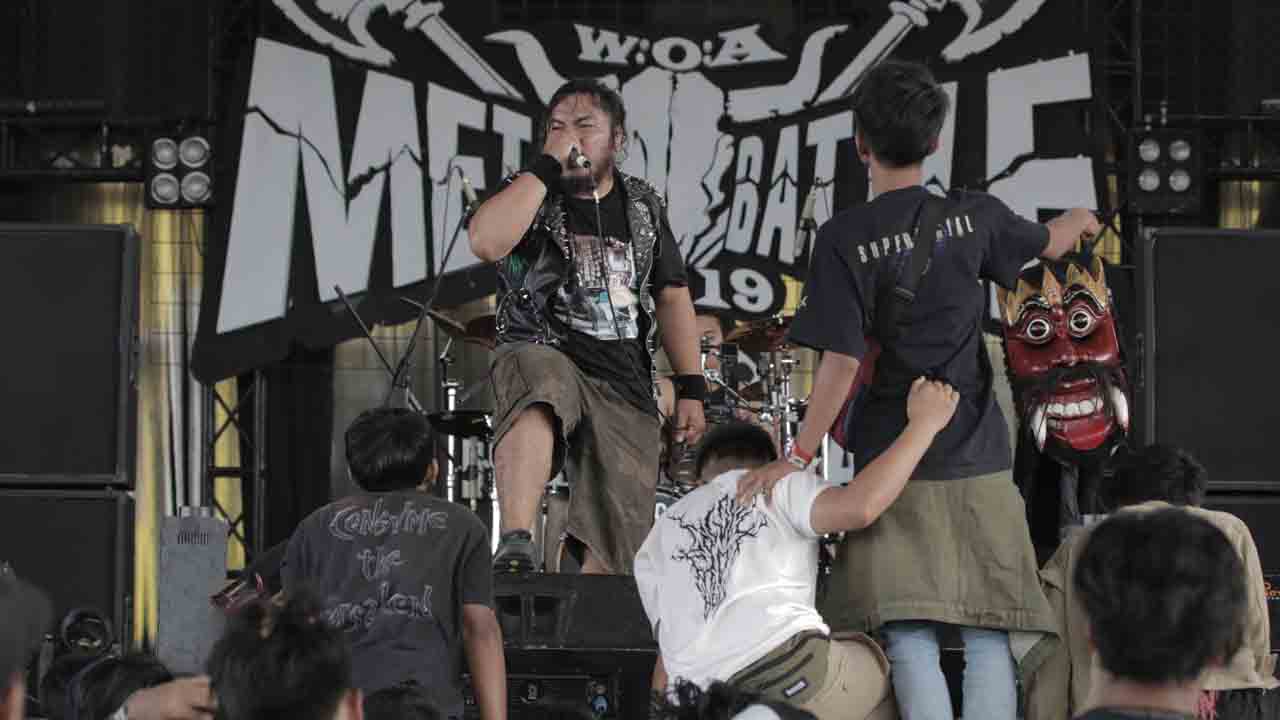
Rock & Metal Music Scene Evolution in Indonesia
Rock & Metal Music Scene Evolution in Indonesia – The rock & metal music scene evolution in Indonesia is a story of rebellion, resilience, and raw creativity. From underground cassette trading in the 1970s to massive festival stages in Jakarta today, Indonesia has built one of the most passionate rock and metal communities in Southeast Asia. While mainstream pop has always dominated the charts, rock and metal have carved out a loyal and ever-growing audience that continues to shape the country’s alternative music landscape.
Indonesia is often associated with traditional music like gamelan or modern pop idols, but beneath that surface lies a powerful subculture driven by distortion pedals, aggressive vocals, and thunderous drums. The journey of rock and metal in Indonesia is not just about music—it reflects social change, political transitions, and youth expression across generations.
Early Roots of Rock in Indonesia
Rock music began influencing Indonesian youth in the late 1960s and early 1970s, inspired by Western legends such as Led Zeppelin, Deep Purple, and Black Sabbath. Imported vinyl records and radio broadcasts played a huge role in shaping early Indonesian rock bands.
One of the most iconic pioneers of Indonesian rock is God Bless. Formed in the early 1970s, the band became a symbol of Indonesian rock resilience. Their guitarist, Ahmad Albar, emerged as a rock icon, blending local identity with international influences. God Bless proved that Indonesian musicians could match the intensity and stage presence of Western acts while maintaining their own cultural character.
During the New Order era under Suharto, artistic expression faced restrictions. However, rock music survived by adapting. Bands performed at campus events and underground venues, creating a tight-knit community that would later fuel the explosion of metal in the 1990s.
The Rise of Indonesian Metal in the 1990s
The 1990s marked a turning point in the rock & metal music scene evolution in Indonesia. As global metal bands like Metallica and Slayer dominated the international stage, Indonesian youth embraced heavier and more extreme sounds.
The fall of Suharto in 1998 opened new doors for freedom of expression. Underground communities grew rapidly, particularly in cities like Bandung, Jakarta, and Surabaya. One of the most influential metal bands from this era is Burgerkill. Known for their aggressive style and socially conscious lyrics, Burgerkill became a pillar of the Indonesian metal movement and later gained international recognition.
Bandung, often called the “metal city” of Indonesia, became a breeding ground for extreme music. Local studios, independent labels, and DIY merchandise networks strengthened the ecosystem. Instead of relying on major labels, many bands distributed demos independently, building a loyal fan base from the ground up.
Underground Culture and DIY Spirit
What makes the Indonesian rock and metal scene unique is its strong DIY culture. Independent communities organized gigs in small venues, school halls, and open fields. Zines and cassette trading were essential tools for spreading music before the internet era.
This grassroots approach created authenticity. Fans were not just listeners—they were organizers, designers, promoters, and band members themselves. The scene became a family. Even today, that underground spirit remains deeply embedded in the culture.
2000s: Expansion and International Recognition
Entering the 2000s, the Indonesian rock & metal music scene evolution accelerated. Internet access allowed bands to connect with global audiences. Social media platforms made promotion easier, and music streaming helped Indonesian metal reach listeners outside the country.
Bands like Deadsquad pushed technical death metal to new levels. Meanwhile, acts such as Seringai revived classic heavy metal vibes with modern production.
International artists began touring Indonesia more frequently. Major concerts featuring global rock and metal icons proved that the Indonesian market was strong and profitable. Local promoters gained confidence, and large-scale festivals started to emerge.
One of the most important modern bands representing Indonesia globally is Voice of Baceprot. This all-female metal trio has attracted international media attention for breaking stereotypes and representing a new generation of Indonesian metal musicians. Their global tours highlight how far the scene has come since the cassette-trading days.
The Role of Festivals and Community
Festivals have played a major role in the rock & metal music scene evolution in Indonesia. Events such as Hammersonic Festival in Jakarta have brought together international and local acts on the same stage, strengthening the ecosystem. These festivals provide exposure, networking opportunities, and validation for local talent.
Community-driven events also remain vital. Smaller regional festivals help maintain the grassroots spirit that defines Indonesian metal. Unlike purely commercial events, these gatherings prioritize connection and authenticity.
Digital Era and Streaming Impact
Streaming platforms have changed how Indonesian rock and metal bands release music. Instead of waiting for label deals, artists now upload singles independently and reach thousands of listeners instantly. Digital marketing, YouTube performances, and social media engagement are now central to a band’s strategy.
However, while technology has modernized the industry, live performances remain the heart of the scene. Indonesian audiences are known for their high energy, intense moshing, and deep loyalty to bands. Concert culture continues to thrive despite global industry changes.
Cultural Identity in Indonesian Rock & Metal
A fascinating aspect of the rock & metal music scene evolution in Indonesia is how bands blend Western influence with local culture. Some groups incorporate traditional instruments, local languages, and social commentary specific to Indonesian society.
Rather than copying Western styles, Indonesian bands reinterpret them. Lyrics often address political issues, corruption, social inequality, and cultural identity. This gives the music a deeper connection to local audiences.
Metal in Indonesia is not merely about aggression. It is also about solidarity, identity, and creative freedom. The scene has survived censorship, economic crises, and shifting music trends because it represents something meaningful for its community.
The Future of Rock & Metal in Indonesia
Looking ahead, the future of the rock & metal music scene evolution in Indonesia appears promising. Younger generations continue to discover classic bands while forming new projects with fresh sounds. Cross-genre experimentation is increasing, blending metal with hardcore, electronic elements, and even traditional Indonesian music.
International collaborations are also expanding. Indonesian musicians now regularly perform overseas, while global artists recognize Indonesia as a key tour destination in Asia. The infrastructure—studios, promoters, independent labels, and digital platforms—has matured significantly compared to previous decades.

Music in Royal Courts Before Rock and Metal
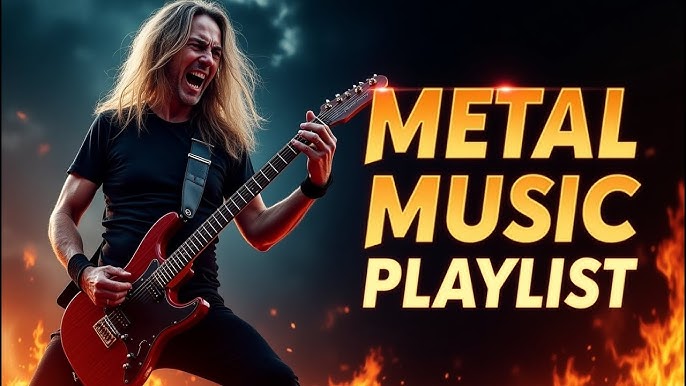
Rock and metal music with strong energy
Rock and metal music with strong energy – Rock and metal music have always been more than just genres. They are expressions of raw emotion, rebellion, and power that connect deeply with listeners across generations. From loud guitar riffs to aggressive drum patterns and powerful vocals, these styles of music deliver strong energy that feels alive, intense, and unforgettable.
For decades, rock and metal have continued to evolve, creating new subgenres while keeping their core spirit intact. Whether played in packed arenas or through headphones late at night, the energy of rock and metal music remains unmatched.
The Core Energy of Rock and Metal Music
At the heart of rock and metal music is energy. This energy comes from a combination of sound, attitude, and emotion. Heavy guitar distortion, fast tempos, and dynamic song structures create a sense of movement that keeps listeners engaged from start to finish.
Unlike softer music styles, rock and metal do not try to stay in the background. They demand attention. This is one of the reasons why fans often describe these genres as empowering or adrenaline-boosting. The music pushes forward, creating a feeling of momentum that mirrors strength and determination.
Guitar Riffs That Drive the Sound
One of the strongest elements in rock and metal music is the guitar riff. A memorable riff can define an entire song or even a band’s identity. In metal, riffs are often heavier, darker, and more aggressive, while rock riffs may feel more rhythmic and catchy.
These riffs are not just melodies. They carry emotion and attitude. When combined with distortion and precise timing, guitar riffs become the backbone of high-energy music that resonates with fans worldwide.
Drums That Create Impact
Drumming in rock and metal plays a crucial role in delivering power. From steady rock beats to fast double-kick patterns in metal, drums shape the intensity of the music.
Strong drum sounds add urgency and aggression, making the music feel alive and physical. Many listeners feel the rhythm in their chest, not just in their ears, which is a key reason why rock and metal music feels so energetic.
Emotional Power Behind the Sound
Beyond technical elements, rock and metal music are deeply emotional. The energy is not random noise; it reflects real feelings such as anger, frustration, hope, resistance, and freedom.
These genres allow listeners to release emotions in a healthy way. Loud music, when paired with honest lyrics, creates a safe space for emotional expression. That emotional honesty strengthens the connection between the artist and the audience.
Lyrics That Speak Loudly
Rock and metal lyrics often deal with real-life struggles, social issues, and personal battles. Instead of hiding emotions, these genres amplify them.
This lyrical honesty adds another layer of energy. When listeners relate to the message, the music feels even more powerful. The words and sounds work together, creating an intense experience that feels personal and authentic.
Evolution of Rock and Metal Energy
Rock and metal music have changed over time, but their energetic foundation remains strong. Classic rock bands introduced raw and rebellious sounds, while later metal bands pushed boundaries with heavier tones and faster tempos.
Modern rock and metal continue this tradition by blending old-school energy with modern production. New subgenres experiment with different sounds, but the core focus on intensity and emotion stays the same.
From Classic Rock to Modern Metal
Classic rock brought powerful guitar solos and anthemic choruses. Metal later added darker themes and heavier instrumentation. Today, many bands combine both approaches, creating music that feels familiar yet fresh.
This evolution keeps rock and metal relevant. Fans can enjoy the energy of the past while embracing new styles that reflect current musical trends.
Why Strong Energy Music Attracts Loyal Fans
Rock and metal fans are known for their loyalty. The strong energy in the music creates a sense of belonging and identity. Concerts become shared experiences where thousands of people connect through sound and emotion.
The music does not try to please everyone, and that honesty builds trust. Fans appreciate the authenticity and intensity, which is why rock and metal communities remain strong worldwide.
Live Performances and Raw Power
Live shows are where rock and metal energy truly shines. Loud amplifiers, intense lighting, and passionate performances create an atmosphere that cannot be replicated elsewhere.
The interaction between musicians and the crowd amplifies the energy even further. This live experience strengthens the emotional bond between fans and the music.
The Lasting Impact of Rock and Metal Music
Rock and metal music with strong energy continues to influence culture, fashion, and attitude. These genres inspire confidence, creativity, and self-expression. Even as musical trends change, the demand for powerful and energetic sound remains.
For many listeners, rock and metal are not just music styles but lifelong companions. They provide motivation during tough times and excitement during moments of celebration.
Conclusion
Rock and metal music with strong energy stand as symbols of power, emotion, and authenticity. Through heavy guitar riffs, impactful drums, and honest lyrics, these genres create an intense listening experience that never fades.
As long as people seek music that feels real and alive, rock and metal will continue to thrive. Their energy is timeless, their influence is global, and their sound remains one of the strongest forces in the music world.