Rock and Metal’s Influence on Fashion and Style
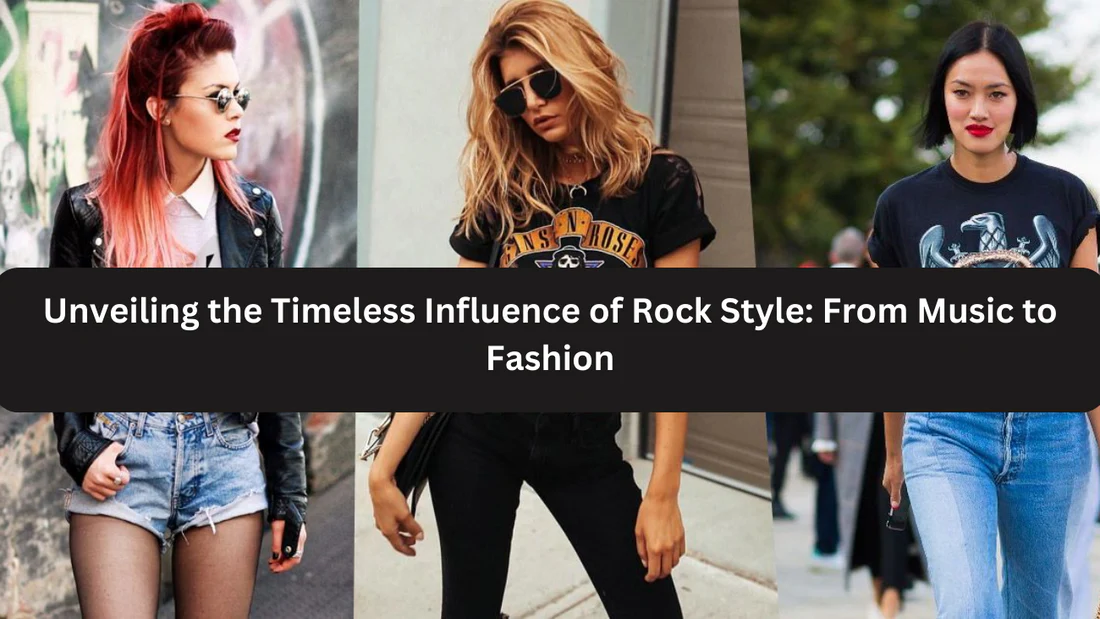
Rock and Metal’s Influence on Fashion and Style – When it comes to music, few genres have left as bold a mark on fashion and style as rock and metal. From leather jackets to studded belts, these music movements didn’t just influence what people listened to—they changed the way people dressed, expressed themselves, and even carried an attitude. Rock and metal fashion has evolved over decades, yet its impact remains visible in streetwear, high fashion, and everyday style.
The Origins of Rock and Metal Fashion
The roots of rock and metal fashion can be traced back to the 1950s and 1960s with rock and roll pioneers. Early rockers like Elvis Presley made leather jackets, slicked-back hair, and dark jeans iconic. These items weren’t just clothing; they represented rebellion, confidence, and a break from mainstream norms.
As heavy metal began emerging in the late 1960s and 1970s, the style became darker and more dramatic. Bands like Black Sabbath and Led Zeppelin embraced black clothing, long hair, and boots, which conveyed a raw, edgy, and powerful presence. This aesthetic quickly resonated with fans who wanted to express a similar sense of identity and nonconformity.
Leather, Denim, and the Power of Accessories
One of the most recognizable aspects of rock and metal fashion is leather. Leather jackets, pants, and vests became staples not only because they looked cool but also because they symbolized toughness and freedom. Paired with ripped jeans, it created a look that was rugged, rebellious, and instantly identifiable.
Denim also played a key role, particularly when it came to jackets and jeans adorned with patches or pins of favorite bands. These items allowed fans to personalize their style, showing off their musical taste while embracing a DIY attitude.
Accessories such as studded belts, chains, and bandanas became more than mere decoration—they were statements. For metal fans, studs and spikes were often symbols of aggression and individuality, while bandanas could express both style and subcultural identity.
Influence on Hair and Makeup
Rock and metal didn’t stop at clothing. Hair and makeup were essential components of the overall style. Long, wild hair became a signature look for metal fans and musicians alike, representing freedom and rebellion. The glam metal era of the 1980s took this even further, with teased hair, heavy eyeliner, and bold colors, blending theatricality with music culture.
Makeup, once considered feminine, was embraced in the rock and metal scene to create striking visual statements. Black eyeliner, dark lipstick, and dramatic eye makeup helped musicians stand out on stage and inspired fans to experiment with their own appearance, blurring the lines between music, art, and fashion.
Stage Fashion vs. Street Style
One fascinating aspect of rock and metal fashion is how it translated from the stage to the streets. While musicians often wore exaggerated and theatrical outfits during performances, fans adapted these looks for everyday wear. Leather jackets, band t-shirts, ripped jeans, and boots became common staples for those wanting to capture a slice of the music scene without overdoing it.
Street style also allowed for more personal expression. Fans could mix punk, metal, and rock elements into a look that felt unique, combining vintage pieces with modern trends. This adaptability ensured that rock and metal fashion remained relevant across decades, influencing each new generation in different ways.
High Fashion and Rock Influence
Over the years, designers began taking cues from rock and metal culture. Luxury brands started incorporating leather, studs, and distressed fabrics into runway collections. Designers like Alexander McQueen and Hedi Slimane drew inspiration from the rebellious, edgy energy of these music genres, bringing them into high fashion and mainstream visibility.
This crossover helped rock and metal fashion evolve beyond subcultures, influencing broader trends in casual wear and streetwear. Today, elements like band t-shirts, biker jackets, and combat boots are considered versatile fashion staples, proving that music style can translate seamlessly into everyday wardrobes.
Modern Rock and Metal Style
Modern rock and metal fashion continues to thrive, merging classic elements with contemporary trends. Social media has played a role in spreading these styles worldwide, allowing fans to showcase their interpretations and inspire others. Vintage band merchandise has become highly sought after, while sustainable fashion trends have encouraged fans to upcycle old clothing in true rock and metal DIY spirit.
Today’s style is less rigid than in the past. You’ll find metal fans mixing elegance with edge, pairing tailored jackets with distressed jeans or combat boots with flowing dresses. This evolution shows that rock and metal’s influence on fashion isn’t just about rebellion—it’s about self-expression, creativity, and identity.
Why Rock and Metal Fashion Still Matters
The lasting appeal of rock and metal fashion lies in its authenticity. It’s a style born from music, culture, and attitude. Unlike fleeting fashion trends, it carries a story, a sense of community, and an attitude that resonates with people across generations.
For those building a personal brand, starting a clothing line, or simply looking to make a statement, incorporating elements of rock and metal fashion can add depth and personality. From the classic leather jacket to bold accessories and statement hair, these styles communicate confidence, individuality, and a connection to one of the most influential music cultures in history.
Conclusion
Rock and metal have done more than shape music—they’ve defined a visual language of style and self-expression. From the rebellious roots of leather jackets and ripped jeans to the glam and dramatic flair of modern metal, this influence continues to inspire fashion designers, fans, and everyday wardrobes.
Whether you’re drawn to the raw energy of classic metal, the glam of 1980s rock, or the edgy streetwear inspired by band culture, one thing is clear: rock and metal’s imprint on fashion is undeniable. It’s a culture that refuses to fade, constantly evolving while remaining true to its core message—express yourself boldly, live authentically, and never be afraid to stand out.
From Stage to Street: The Power of Rock & Metal Merch Culture
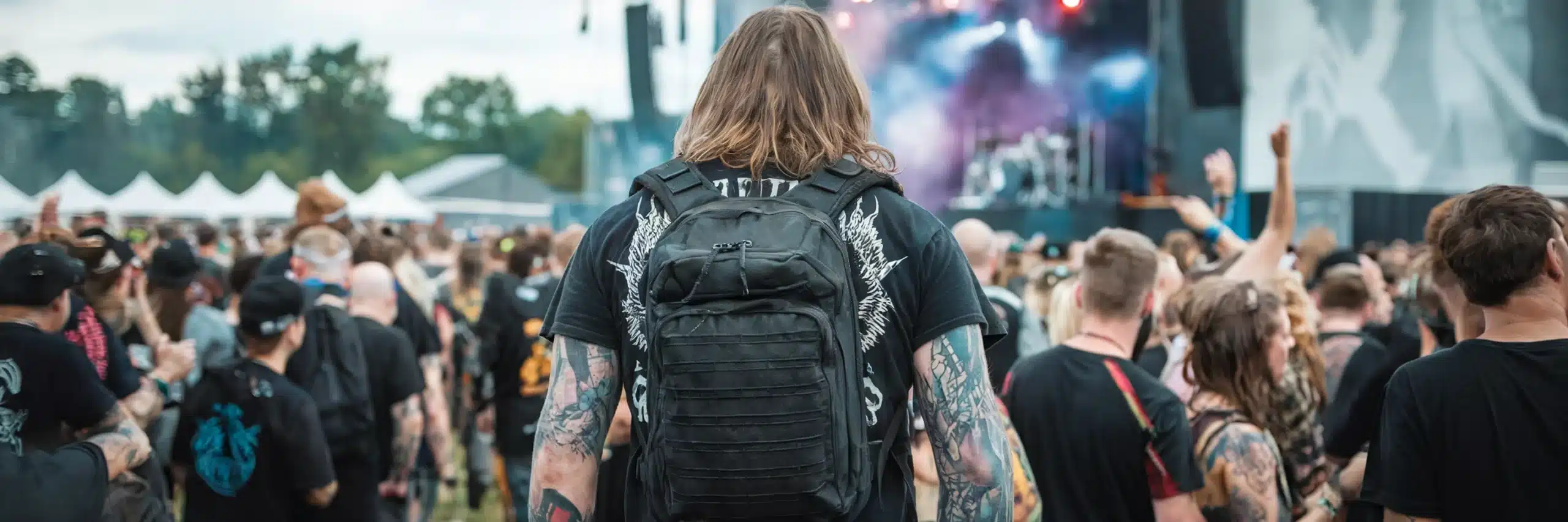
From Stage to Street: The Power of Rock & Metal Merch Culture – Rock and metal music have always been about more than just sound. They represent rebellion, freedom, identity, and connection. One of the strongest ways this culture lives beyond the stage is through merchandise. From band t-shirts to hoodies, patches, and accessories, rock and metal merch has become a powerful symbol that travels from concerts straight into everyday street life.
Merch culture is not just about selling products. It’s about carrying the music, attitude, and spirit wherever fans go.
The Origins of Rock & Metal Merchandise
In the early days of rock and metal, merchandise was simple. Bands sold basic t-shirts and posters at live shows as souvenirs for fans. These items were memories—proof that someone was there, standing in the crowd, feeling the energy of the music.
Over time, merch evolved. Designs became bolder, artwork more detailed, and quality improved. What started as simple souvenirs turned into essential pieces of fan identity.
Merch became part of the culture itself.
From Concert Stalls to Everyday Fashion
Rock and metal merch made a natural transition from concert venues to the streets. Band shirts stopped being worn only at gigs and started appearing in daily outfits.
Fans wear band merch to school, work, cafes, and social gatherings. A single t-shirt can say a lot about someone’s taste in music, mindset, and personality. It’s an effortless way to express identity without saying a word.
This shift is what made rock and metal merch a lifestyle, not just memorabilia.
Why Band Merch Feels So Personal
Unlike regular clothing, band merchandise carries emotional weight. Each item often connects to a specific memory—first concert, favorite album, or a song that helped someone through a difficult time.
When fans wear merch, they’re not just wearing fabric. They’re wearing stories, emotions, and moments that matter. This personal connection makes rock and metal merch timeless and meaningful.
It’s fashion with a soul.
The Symbol of Belonging
Rock and metal have always had strong communities. Merch acts as a visual signal within these communities. When fans see someone wearing the same band logo, there’s an instant sense of connection.
It sparks conversations, nods of respect, and sometimes even friendships. Merch becomes a symbol of belonging, a sign that you’re part of something bigger than yourself.
In a world that often feels disconnected, this sense of unity matters.
Street Style Meets Rock & Metal Attitude
Rock and metal merch has influenced street style in powerful ways. Oversized band tees, distressed prints, leather jackets with patches, and dark color palettes have all become iconic fashion elements.
Even outside the music scene, band merch has entered mainstream fashion. High-end brands and streetwear labels have drawn inspiration from rock and metal aesthetics.
Yet for true fans, merch remains rooted in authenticity—not trends.
Authenticity vs Fashion Trends
As band merch becomes more fashionable, the line between style and substance becomes clearer. Some people wear band shirts purely for the look, while others wear them because the music matters deeply to them.
Within rock and metal culture, authenticity is everything. Fans value real connection over image. Knowing the music behind the logo still holds importance in the community.
This authenticity is what keeps the culture strong, even as it grows more visible.
Merch as Direct Support for Artists
In today’s music industry, merchandise plays a crucial role in supporting artists. Streaming revenue is often low, especially for independent bands. Merch sales help cover tour costs, recording expenses, and daily operations.
When fans buy official merch, they’re directly supporting the music they love. This makes every purchase feel meaningful—not just for the band, but for the fan as well.
Merch becomes a bridge between artist and audience.
Limited Drops and Exclusive Designs
Limited-edition merch has become a major part of modern rock and metal culture. Tour-exclusive shirts, anniversary releases, and special collaborations create excitement and urgency.
Fans love owning something rare. These items feel special because not everyone can get them. Limited merch adds another layer of value—both emotional and cultural.
It turns merch into collectibles, not just clothing.
DIY Culture and Customization
Rock and metal have strong roots in DIY culture. This spirit extends to merch as well. Many fans customize their jackets, vests, and shirts with patches, pins, and personal designs.
Battle jackets, in particular, are a powerful expression of individuality. Each one tells a story through band logos and symbols chosen by the wearer.
This DIY approach keeps merch culture creative and personal.
The Community Power of Merch
Merch does more than represent bands—it strengthens fan communities. At festivals, concerts, and even online spaces, merch helps fans recognize and connect with each other.
It creates a shared language. A logo, symbol, or album cover can instantly communicate shared values and tastes.
This sense of community is one of the most powerful aspects of rock and metal culture.
Sustainability and the Future of Merch
As awareness grows, many bands and fans are starting to care more about sustainability. Ethical production, eco-friendly materials, and responsible packaging are becoming part of the conversation.
Fans appreciate transparency and thoughtful choices. Sustainable merch aligns well with the values of authenticity and responsibility that rock and metal stand for.
The future of merch culture is not just louder, but smarter.
Final Thoughts
From stage to street, rock and metal merch carries the heart of the music into everyday life. It’s more than clothing—it’s identity, memory, and community woven into fabric.
In a digital world where music is often invisible, physical merch keeps the culture tangible. It allows fans to wear what they believe in, support the artists they love, and stay connected to a global community.
Rock and metal merch culture proves that music doesn’t stop when the show ends. It lives on—in the streets, in style, and in the people who proudly wear it.