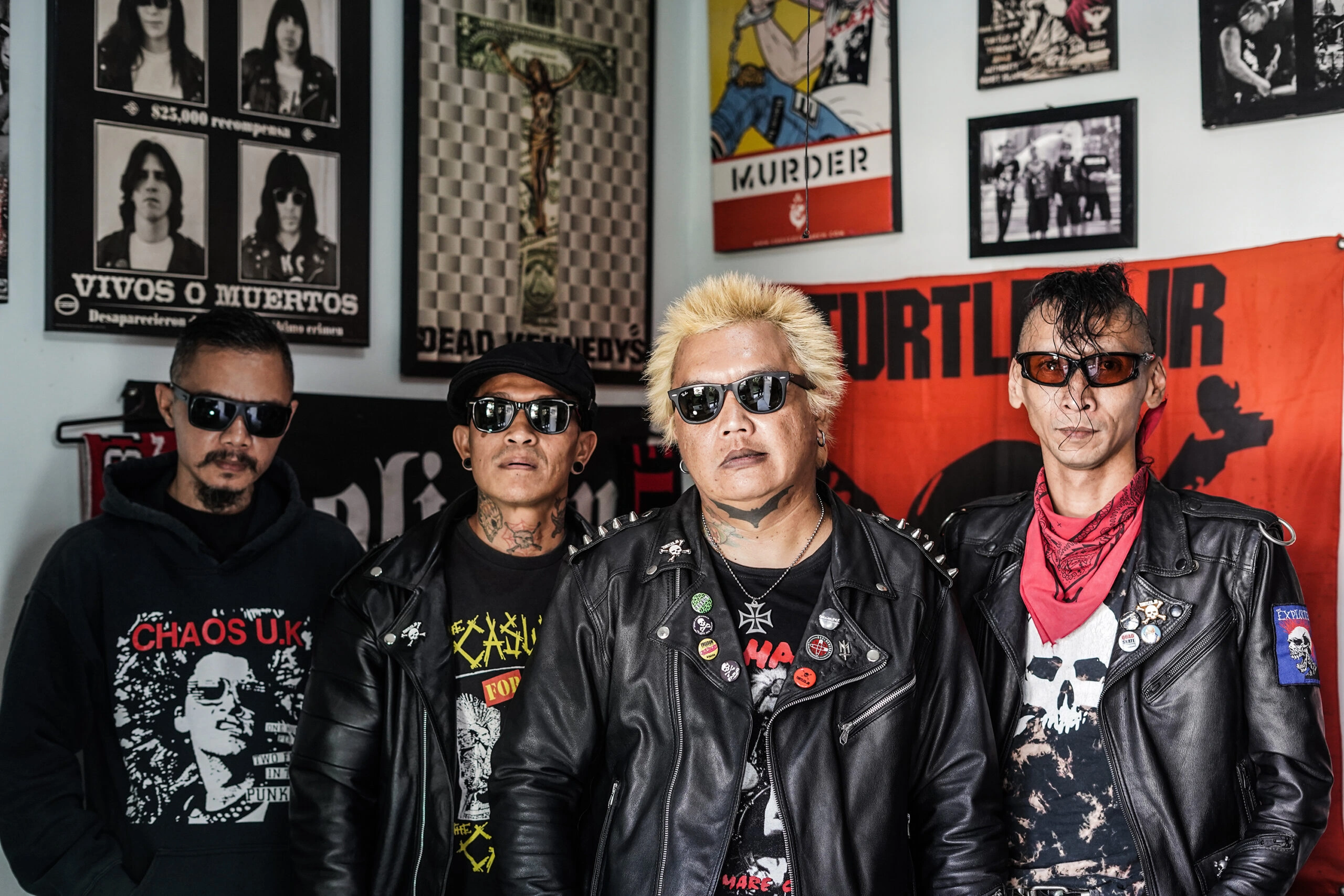
Bandung Death Metal: From Rebellion to Global Stage
Bandung Death Metal: From Rebellion to Global Stage | The global map of extreme music often points toward the northern hemisphere, to places like Tampa, Florida, or Gothenburg, Sweden. However, for anyone diving deep into the Southeast Asian heavy music subculture, there is one coordinates marker that cannot be overlooked: Bandung, West Java. Often dubbed the “Paris of Java,” this city harbors a dark, loud, yet highly organized alter ego. Bandung has long transformed into the ultimate mecca for the domestic death metal movement—an achievement that did not emerge from a vacuum, but was forged in the fires of socio-political rebellion, fierce independence, and deep cultural roots.
The journey of this underground movement began in the late 20th century and continues to thrive today. Intriguingly, what makes the distortion wave in this city so massive is not just the sheer speed and heavy intensity of the music. Beyond the sound, this success is driven by a self-sustaining ecosystem that seamlessly blends revolutionary ideology, tight-knit suburban brotherhood, and a magical marriage between modern extreme music and ancestral heritage.
The Cradle of Rebellion in the New Order Era
Looking back at the 1990s, Indonesia’s socio-political climate was under the iron fist of the authoritarian New Order regime. Freedom of expression was heavily restricted, and spaces for youth to voice social grievances were practically non-existent. It was amidst this repressive political structure that extreme music found its momentum in Bandung. For a collective of young people who felt alienated and voiceless within the macro-system, death metal was far from a mere hobby of listening to high-speed blastbeats and guttural growls. This music was a medium of protest—a collective catharsis for the social injustices they witnessed daily.
The lyrics written during that era were laced with sharp social critiques, anti-fascist stances, and challenges against economic inequality. Attending underground gigs back then carried immense risks—ranging from forced shutdowns by law enforcement to negative profiling by a society that labeled them as moral degenerates. However, this pressure only served as fuel, solidifying the bonds between communities. Extreme music became a universal language for those who refused to bow down to the ruling regime’s singular narrative.
Ujungberung as Ground Zero of the Movement
Discussing Bandung death metal without mentioning Ujungberung is akin to erasing the most crucial chapter of its history. A sub-district located on the eastern outskirts of Bandung, this area became the headquarters where the first wave of the underground movement was born. It was in this suburban fringe, far from the glitz of the city center, that the legendary collective known as Ujungberung Rebel carved its name into history.
Key pioneers like the members of the band Jasad, alongside local musician and music historian Kimung, began laying a rock-solid foundation for the community. Their biggest hurdle at the time was the absolute lack of support from the mainstream music industry. Major record labels refused to look twice at a genre they dismissed as “mindless noise and screaming.”
Instead of throwing in the towel and lamenting their circumstances, the Ujungberung community took the Do It Yourself (DIY) route to heart. They built a fully self-reliant mini-ecosystem:
-
Musicians taught each other instrument techniques self-taught style.
-
Musical gear and rehearsal studios were shared communally without rigid commercial calculations.
-
Gig promotions were done entirely word-of-mouth using photocopied flyers distributed via guerrilla tactics.
-
Album production was funded independently, from recording and duplicating cassette tapes to distribution through friendship networks.
These tactical moves proved that a subculture could survive, and even flourish, without begging for space from corporate-backed industries.
The Marriage of Modern Distortion and Mystical Sundanese Tradition
One defining factor that has earned the Bandung death metal scene international recognition and a highly distinctive character is its capacity for cultural hybridization. The scene did not blindly imitate Western extreme music influences. Instead, they absorbed the global sonic aesthetics and intimately married them with their local heritage: Sundanese culture.
Bands like Jasad pioneered this cultural movement. They did not just employ the Sundanese language in their lyrics; they also integrated traditional instruments such as the karinding (bamboo jaw harp), celempung, and suling (bamboo flute) into an arrangement already heavy with down-tuned distortion and blastbeats. Furthermore, ancient Sundanese philosophies were deeply embedded into their album concepts.
This phenomenon is also evident in how the Bandung metal community draws energy from Seni Reak—a traditional Sundanese trance performance featuring spirit possession, repetitive yet rhythmic drum beats, and barong dances. The intense, noisy, and spiritually charged nature of Seni Reak was felt to share the exact same spiritual frequency as the chaotic energy inside a metal mosh pit. This convergence birthed a highly authentic identity. Extreme music in Bandung ceased to be a carbon copy of Western imports; it transformed into a contemporary expression of ancestral spirituality and localized cultural heritage passed down through generations.
Building a Independent Infrastructure Through Bandung Berisik
As time marched on, the number of extreme music devotees in Bandung exploded exponentially. Small-scale gigs in old warehouses or campus halls could no longer accommodate the thousands of metalheads hungry for distortion. The desperate need for larger venues triggered the birth of one of the most legendary extreme music festivals in Southeast Asia: Bandung Berisik (Bandung Noisy).
Initiated by the Ujungberung Rebel collective, the festival originally featured humble stages and rudimentary sound systems. Yet, the unyielding dedication of the fans and consistent management saw the festival evolve into a massive celebration. Bandung Berisik successfully migrated the masses from dark, underground spaces into sprawling sports stadiums.
The festival’s success sent a clear message to the national entertainment industry: extreme music holds massive economic value and commands an incredibly loyal fanbase. Through this festival, the standards for event management, sound engineering, and crowd safety for heavy music concerts in Indonesia underwent a significant upgrade.
Tragedy, Resilience, and Conquest on the Global Stage
Maintaining the title of the capital of extreme music has not been without its dark days. The scene hit its absolute nadir when a human tragedy struck in 2008. During a record release show for the band Beside at the AACC building in Bandung, overcrowding led to a fatal crowd crush, resulting in casualties due to suffocation and trampling. This devastating event left deep scars and prompted strict concert permit lockdowns by authorities for years.
While the tragedy temporarily paralyzed the city’s live music circuit, it failed to crush the spirit of the community. This dark moment was instead treated as a turning point for total evaluation. The Bandung metal community moved swiftly to overhaul their internal regulations. They redefined event management systems, tightened crowd safety protocols, and began collaborating professionally with medical and security personnel. This mental resilience proved that the underground community possessed the maturity to learn from catastrophic mistakes.
Emerging from those trying times, validation came knocking from the international stage. Heavyweight names like Burgerkill stood at the vanguard, carrying the Indonesian metal flag to global heights. Their triumphs in securing international music awards and performing at legendary European metal festivals—such as Wacken Open Air in Germany and Bloodstock Open Air in the UK—offered undeniable proof of the musical caliber brewing in Bandung. This giant leap paved the way for a new generation, including bands like Voice of Baceprot (VOB), further cementing Bandung’s position on the global music map.
A Living Cultural Legacy
Today, Bandung’s status as a holy ground for death metal enthusiasts is beyond dispute. What began as a mere hangout spot for disenfranchised youth in a corner of Ujungberung has transformed into a living, breathing contemporary cultural legacy that continues to regenerate.
The unique combination of political self-reliance, an emotional anchor to ancestral traditions, and robust community management makes this scene a prime blueprint of how a subculture can grow into an independent collective force. Bandung is not just a breeding ground for bands playing fast, loud music; the city stands as a living monument proving that music can serve as a unifying tool, a guardian of identity, and a force that changes the trajectory of a generation.
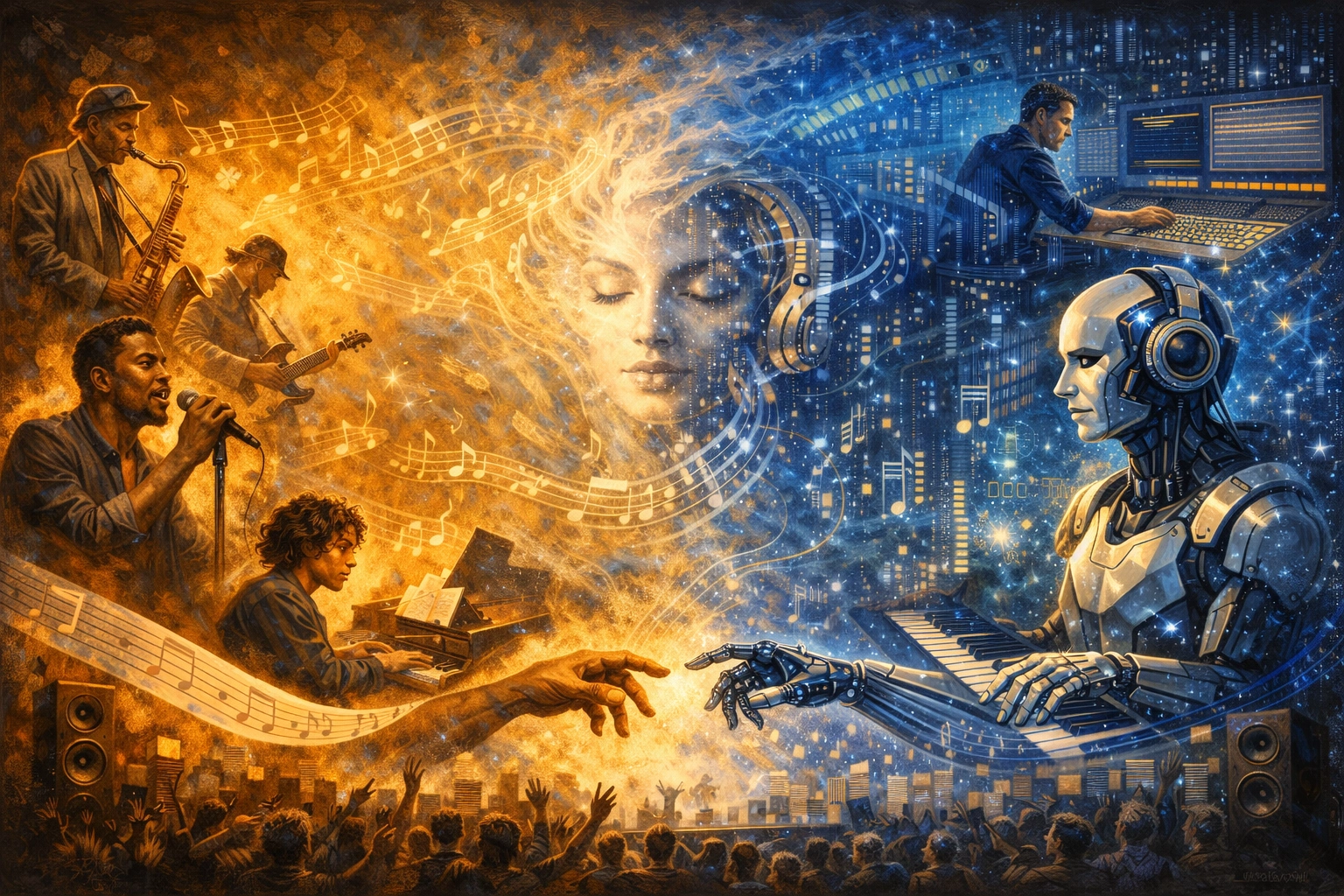
AI vs Heavy Metal: Is the Music Losing Its Soul?
AI vs Heavy Metal: Is the Music Losing Its Soul? | The thunderous roar of double-bass drums, the deafening shriek of distorted guitars, and the gut-wrenching vocal delivery that drains every ounce of emotional energy—these are the undeniable hallmarks of heavy metal. For decades, this genre has stood firm as a sanctuary for catharsis, a space where raw human anger, sorrow, and resilience are unleashed without a filter. In this modern era, however, a new shadow is creeping into recording studios and live venues alike. This shadow does not stem from the latest guitar effects pedal, but from rows of digital code known as Artificial Intelligence (AI).
The rise of this technology has ignited a fierce debate among musicians, producers, and metalheads worldwide. To one side, this cutting-edge technology is seen as an extraordinary asset capable of shattering traditional creative boundaries. To the other, it represents an existential threat that risks ripping out the most sacred heartbeat of extreme music: authentic human emotion. Where exactly does this digital frontier stand in shaping the future of heavy music?
When Emotion is Replaced by Algorithms
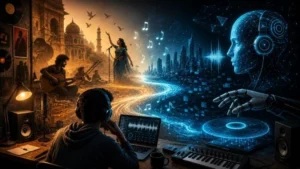
To speak of heavy metal is to speak of sweat, blood, and tears. Every raw guitar riff or hyper-precise drum fill is born from years of grueling practice and genuine emotional turmoil. This is the precise reason why so many within the heavy music community view full AI involvement in song creation with deep skepticism, if not outright hostility.
The Loss of Genuine Emotion
Computers can study the song structures of thousands of legendary albums in mere seconds. They can easily replicate the fastest blast beats of death metal drummers or arrange grand, sweeping chord progressions. Yet, there is one thing that binary code will never possess: the capacity to feel. AI has never experienced heartbreak, never battled depression, and cannot comprehend the sheer struggle of survival. When a track is generated entirely by a machine, it loses its most vital component—the spiritual connection between creator and listener, built entirely on shared human experience.
The Threat of Homogenization
A major draw of extreme music subgenres lies in their imperfections and quirks. A gritty, unpolished vocal delivery, a tempo that sways slightly out of time yet breathes life into a track, or a chaotic guitar distortion are the very traits that define a band’s identity. As generative AI models gain traction, machines tend to average out the data they ingest to produce something “perfect.” The resulting byproduct is homogenization. AI-generated growls and riffs often sound identical, polished to a fault, stripping away the unique flaws and personalities that make a band iconic.
The Influx of “Slop” on Digital Platforms
Perhaps the most frustrating current trend is the sheer volume of imitation metal tracks flooding streaming services. Anonymous users exploit algorithms to pump out thousands of tracks a day, sometimes even using famous artist names or deceptive titles to farm quick streaming royalties. This manipulative practice clutters the digital ecosystem and disrespects the cultural legacy built by real musicians through years of hard work. The metal community is left deeply frustrated, forced to sift through mountains of soulless, instant content just to find authentic art.
Harnessing Technology Without Losing Identity
While the threat of automation feels real, viewing this technology through a purely negative lens overlooks its potential. History shows that metal has always evolved alongside technological breakthroughs—from the invention of the synthesizer and multitrack recorders to Digital Audio Workstations (DAWs). Viewed from this angle, many forward-thinking producers and musicians see AI not as a human replacement, but as a highly efficient studio assistant.
A Cure for Creative Block
Every artist eventually hits a wall where inspiration runs dry. When facing the daunting barrier of writer’s block, AI lyric generators or symbolic music models can act as fascinating creative sparks. A composer can input a few keywords or a basic chord progression, letting the machine suggest unexpected polyrhythms or melodies. The musician can then take those intriguing building blocks and refine them using their own human intuition and taste.
Democratizing Independent Production
Breaking into the heavy music industry requires serious capital. Renting professional recording studios, hiring sound engineers, and funding mixing and mastering often drains the bank accounts of independent bands. AI-powered audio tools offer a financial lifeline for budget-conscious acts. Automated mastering and mixing software allow bands to achieve a crisp, competitive production value right from their bedrooms. Furthermore, it aids in creating placeholder visual concepts or album art, giving them a solid foundation before they have the funds to collaborate with professional visual artists.
The Human-in-the-Loop Framework
The most respected and effective integration of this technology within the scene is the “Human-in-the-Loop” method. This concept ensures that the human retains ultimate control over the creative process. The machine is delegated to time-consuming, mechanical tasks, such as cleaning up muddy frequencies or mapping out basic drum skeletons. This leaves roughly 70 percent of the technical legwork to the system, while the remaining 30 percent—the absolute core of soul, deep lyricism, and final artistic choices—remains entirely in the hands of the musician.
Looking Ahead at the Heavy Music Scene

Where will the winds of change take the industry? The answer ultimately rests on how the community responds to these evolving times. The fear that technology will completely eradicate human expression seems unlikely to materialize, so long as listeners and musicians hold fast to the value of authenticity.
The extreme music scene possesses an incredibly resilient immune system against anything artificial or contrived. In this community, being labeled a “poseur” or facing accusations of insincerity is a harsh social penalty. Consequently, no matter how many instantly generated songs flood the internet, true fans will always seek out live performances. They will always crave the raw energy of colliding bodies in a mosh pit, the sweat dripping from the stage, and the tangible, emotional interaction shared with a live band.
This digital shift has undoubtedly rewritten the rulebook. It holds the power to act as a catalyst, pushing creative boundaries to heights never previously imagined, and helping underground bands from remote corners of the world find a global stage. However, a failure to police its boundaries could easily drag the genre into a monotonous sea of predictability.
Artificial intelligence is, at the end of the day, merely a tool—a reflection of whoever operates it. It can serve as a magical paintbrush in the hands of a visionary artist, or as a soulless mass-production factory in the hands of an opportunist. For heavy metal, the future will not be dictated by the complexity of an algorithm, but by the resilience of its musicians in guarding their integrity and lived experiences against the cold nature of technology. The soul of an electric guitar lives neither in its wood nor its wiring, but in the human fingers that strike it with passion and fury.
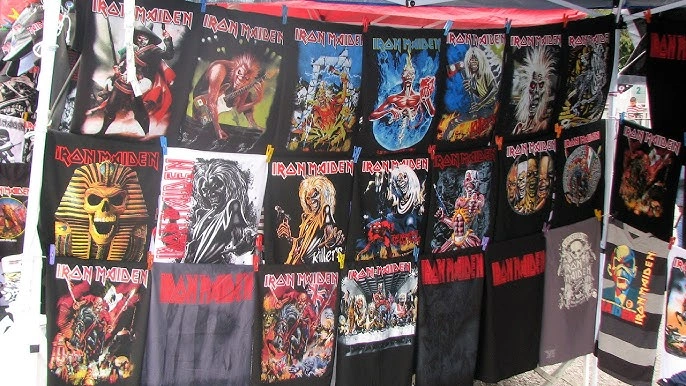
Official vs Bootleg Merch: What You Need to Know
Official vs Bootleg Merch: What You Need to Know | For a heavy music lover, wearing a favorite band’s t-shirt is never just about getting dressed. That piece of clothing is a statement of attitude, a badge of identity, and a medium of visual communication that shows exactly where your musical loyalty lies. When attending a concert or crossing paths with a fellow metalhead on the street, the shirt you wear acts like an invisible handshake, uniting you into a global brotherhood.
However, as the music and fashion industries grow, the options for acquiring your favorite band’s merch have become increasingly diverse. On one hand, we are faced with official releases put out directly by the band’s management. On the other hand, the market is flooded with unauthorized products, commonly known as bootlegs. This phenomenon sparks an interesting debate among collectors and fans regarding which option to choose, how their quality compares, and the real impact of these consumer choices on the survival of the musicians we love.
Understanding the Essence of Licensed Band Merchandise
Apparel and accessories that fall into the official category are commodities produced under a valid license. This means that the entire manufacturing process—from selecting the design concept, choosing the fabric type, screen-printing techniques, to distribution—runs under the direct supervision and approval of the band or the intellectual property rights holder.
The most fundamental aspect that separates licensed products from the rest is the guarantee of quality and the financial flow. When we decide to spend a bit more money to buy an official shirt from their webstore or a merch booth at a concert venue, a major portion of those net profits goes directly into the pockets of the musicians, the road crew, and the creative team working behind the scenes.
In the modern music ecosystem, especially for mid-tier bands or independent acts, merchandise revenue often becomes the primary lifeline that keeps them afloat. These profits are used to finance recording studio time, tour transportation costs, and fund upcoming albums. Materially, official items usually apply strict quality control standards, using premium blanks that fit comfortably and high-grade inks that do not easily crack or fade after multiple washes.
The Other Side of the Counterculture: Dissecting Bootlegs
Standing opposite the official line is the product category labeled as bootleg. In legal and business terms, a bootleg is an unauthorized replica or modification produced without written permission from the trademark or copyright holder. Producers of these goods operate independently outside the formal industry system.
The primary charm of these unauthorized items usually lies in two factors: a much more affordable price tag and design flexibility. Because these independent vendors do not have to pay expensive licensing fees or venue cuts to promoters, they can sell their products at a fraction of the cost. We frequently see these vendors setting up shop on sidewalks right outside a stadium after a concert ends, offering a quick alternative for fans who ran out of cash inside the venue.
Nevertheless, the logical consequence of going the unofficial route is highly variable product quality. Consumers find themselves in a speculative position; some products might feature cheap, iron-on prints that crack instantly and uncomfortable fabric, while on the other end of the spectrum, you can occasionally find unauthorized items crafted with surprisingly high visual dedication.
The Romantisme of Lot Tees and the Creative Gray Area
Discussing unauthorized products is not always about malicious piracy. In the long history of rock and metal subcultures, bootlegging has deep roots and is often viewed through a lens of nostalgia. Looking back at the golden eras of rock music from the 1960s to the 1990s, the emergence of raw, screen-printed shirts in concert parking lots—often called “lot tees”—was an inseparable part of the gig-going experience.
Over time, certain vintage lot tees from old concert tours have transformed into rare collectibles hunted down by enthusiast collectors, with resale values skyrocketing into hundreds of dollars. Collectors view these items as pop history artifacts that captured a local atmosphere and the spirit of an era far more honestly than mass-produced factory merchandise.
Today, the fan community has drawn a fairly clear moral line regarding this gray area. Negative judgment is universally passed down to large-scale industrial operations that intentionally steal raw artwork from artists, mass-produce it poorly, and sell it solely for corporate profit without contributing anything back to the culture.
Conversely, there is a level of cultural tolerance, or even appreciation, given to independent creators who make fan art or tribute items. In this case, the artist does not merely copy a band’s logo. Instead, they re-interpret the musician’s visual aesthetics into a fresh, unique illustration style that would never be produced by the band’s official store.
Balancing Economic Value and Ideological Support
Choosing between buying a fully licensed product or glancing at alternative options in the independent market ultimately comes down to individual priorities and awareness. The skyrocketing prices of concert tickets and official merchandise are genuine hurdles for younger fans with a tight budget.
For those with the financial means, purchasing official merch is seen as a moral investment and a source of personal satisfaction. There is a distinct sense of pride in knowing that the shirt on your back directly helps your favorite band survive, travel, and create new music in the future. Buying official also eliminates the risk of disappointment regarding inconsistent sizing or prints that wash out immediately.
On the flip side, small-scale local bootleg operations cannot be entirely erased from the ecosystem. For some circles, this micro-industry acts as a safety valve that keeps rock and metal culture accessible and inclusive to everyone, regardless of their wallet thickness. The real added value happens when these unofficial products are born from local designers who offer a refreshing artistic perspective.
Sustaining the Community Through Conscious Consumerism
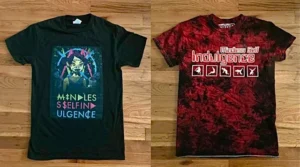
The best way to navigate this dynamic is by becoming an informed and wise consumer. Understanding the fundamental differences between these two product paths ensures that we do not get ripped off by dishonest sellers who price low-quality, bootlegged prints at premium, imported official rates.
Whenever your budget allows, prioritizing purchases through the band’s official channels is the highest form of respect you can give to their art. However, if your interest falls on community-driven creations or unique tribute fan art, make sure you buy them from independent creators who prioritize creativity and original concepts over those who merely copy-paste low-res digital graphics from the internet. Through this collective awareness, the economic wheel surrounding rock and metal culture will continue to spin healthily, supporting the musicians while keeping creative spaces alive.
The Sociology of the Mosh Pit: Inside the Chaos of Metal Shows
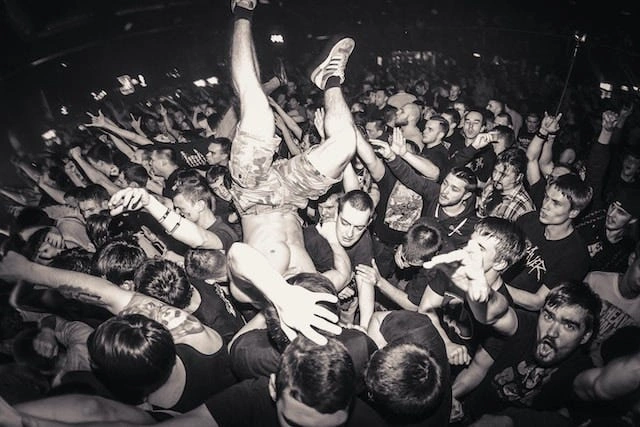
The Sociology of the Mosh Pit: Inside the Chaos of Metal Shows | The stage vibrates, guitar distortion fires up the adrenaline, and within seconds, the crowd in front of the stage splits into a massive circle. As the first drum beat drops, the mass instantly collides at high speed. To an outsider watching from afar, this sight looks terrifying—like a chaotic, violent brawl without rules. But is the mosh pit really just an arena for mindless fighting?
When we examine it through the lens of sociology, the perspective shifts completely. The mosh pit is actually a liminal space—a temporary transition zone where everyday societal rules are suspended and replaced by a counterculture that values absolute equality. Inside this sweat-drenched, dusty circle, a process of organized emotional release takes place, built entirely on trust and a strict, unspoken code of conduct.
The Art of Stress Relief Through Controlled Chaos
Modern life constantly demands that we look polished, stay calm, and suppress our daily frustrations and existential anxieties. This is exactly where heavy music concerts step in. The mosh pit serves as an aesthetic outlet to safely discharge that negative energy.
Sociologists view this activity as a form of “organized deviance.” Although the movements look aggressive, the aggression is never intended to harm anyone. It is a form of pure physical catharsis. By throwing themselves into the crowd, participants release psychological stress and confront the darker sides of reality, leaving the circle feeling lighter and calmer.
An Arena Without Castes: Where Everyone is Equal
One of the most magical aspects of the mosh pit is its egalitarian nature. The moment you step into the circle, whatever social identity you carry from the outside world instantly evaporates.
Economic status, job titles, ethnicity, and gender no longer matter. A corporate director could easily slam shoulders with a college student, free from any formal boundaries. This shared physical vulnerability bonds strangers into a cohesive, tribal unit. Through this collective ritual, the barrier between the performers on stage and the audience below completely collapses. Everyone merges into a single, shared energy.
Unwritten Codes in the Heart of the Vortex
Despite looking completely random from the outside, the mosh pit is governed by a deeply respected code of conduct within the heavy music community. There is an unwritten social contract that everyone follows to ensure collective safety.
The most fundamental golden rule is reciprocity and protection. When things get intense and someone loses their footing, the pit slows down in a split second to give those nearby the space to pick them up. If someone drops a personal item, like glasses or a phone, the crowd will actively try to protect it. This commitment to mutual safety transforms a physical risk into a profound exercise in trust and community care.
The Physics of Concert Crowds
Fascinatingly, this phenomenon has caught the attention of not just sociologists, but physicists as well. When studying mass movement inside mosh pits, researchers discovered unique patterns that closely mimic the behavior of matter particles. This movement generally shifts between two main phases:
-
The Gas-like State (Traditional Moshing): In this state, participants move randomly and bounce off one another in all directions, creating a high-energy, disordered environment.
-
The Fluid/Vortex State (The Circle Pit): As crowd density increases and the tempo of the music demands a constant rhythm, the crowd automatically synchronizes into a rotational flow, spinning clockwise or counterclockwise.
This vortex phenomenon happens naturally without any designated leader or explicit instructions. It stands as living proof of how order can naturally emerge from absolute chaos.
Ultimately, the mosh pit is a manifestation of human solidarity wrapped in an extreme package. Behind its wild visuals lies a small ecosystem filled with respect, empathy, and deep brotherhood.