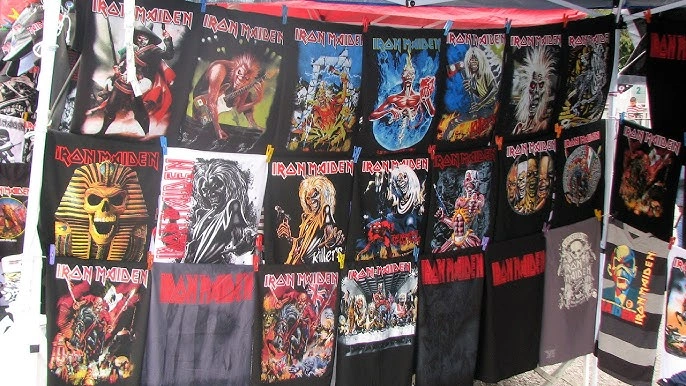
Official vs Bootleg Merch: What You Need to Know | For a heavy music lover, wearing a favorite band’s t-shirt is never just about getting dressed. That piece of clothing is a statement of attitude, a badge of identity, and a medium of visual communication that shows exactly where your musical loyalty lies. When attending a concert or crossing paths with a fellow metalhead on the street, the shirt you wear acts like an invisible handshake, uniting you into a global brotherhood.
However, as the music and fashion industries grow, the options for acquiring your favorite band’s merch have become increasingly diverse. On one hand, we are faced with official releases put out directly by the band’s management. On the other hand, the market is flooded with unauthorized products, commonly known as bootlegs. This phenomenon sparks an interesting debate among collectors and fans regarding which option to choose, how their quality compares, and the real impact of these consumer choices on the survival of the musicians we love.
Understanding the Essence of Licensed Band Merchandise
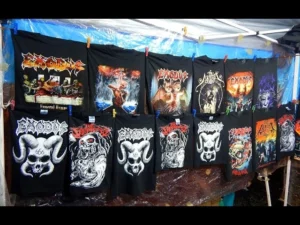
Apparel and accessories that fall into the official category are commodities produced under a valid license. This means that the entire manufacturing process—from selecting the design concept, choosing the fabric type, screen-printing techniques, to distribution—runs under the direct supervision and approval of the band or the intellectual property rights holder.
The most fundamental aspect that separates licensed products from the rest is the guarantee of quality and the financial flow. When we decide to spend a bit more money to buy an official shirt from their webstore or a merch booth at a concert venue, a major portion of those net profits goes directly into the pockets of the musicians, the road crew, and the creative team working behind the scenes.
In the modern music ecosystem, especially for mid-tier bands or independent acts, merchandise revenue often becomes the primary lifeline that keeps them afloat. These profits are used to finance recording studio time, tour transportation costs, and fund upcoming albums. Materially, official items usually apply strict quality control standards, using premium blanks that fit comfortably and high-grade inks that do not easily crack or fade after multiple washes.
The Other Side of the Counterculture: Dissecting Bootlegs
Standing opposite the official line is the product category labeled as bootleg. In legal and business terms, a bootleg is an unauthorized replica or modification produced without written permission from the trademark or copyright holder. Producers of these goods operate independently outside the formal industry system.
The primary charm of these unauthorized items usually lies in two factors: a much more affordable price tag and design flexibility. Because these independent vendors do not have to pay expensive licensing fees or venue cuts to promoters, they can sell their products at a fraction of the cost. We frequently see these vendors setting up shop on sidewalks right outside a stadium after a concert ends, offering a quick alternative for fans who ran out of cash inside the venue.
Nevertheless, the logical consequence of going the unofficial route is highly variable product quality. Consumers find themselves in a speculative position; some products might feature cheap, iron-on prints that crack instantly and uncomfortable fabric, while on the other end of the spectrum, you can occasionally find unauthorized items crafted with surprisingly high visual dedication.
The Romantisme of Lot Tees and the Creative Gray Area
Discussing unauthorized products is not always about malicious piracy. In the long history of rock and metal subcultures, bootlegging has deep roots and is often viewed through a lens of nostalgia. Looking back at the golden eras of rock music from the 1960s to the 1990s, the emergence of raw, screen-printed shirts in concert parking lots—often called “lot tees”—was an inseparable part of the gig-going experience.
Over time, certain vintage lot tees from old concert tours have transformed into rare collectibles hunted down by enthusiast collectors, with resale values skyrocketing into hundreds of dollars. Collectors view these items as pop history artifacts that captured a local atmosphere and the spirit of an era far more honestly than mass-produced factory merchandise.
Today, the fan community has drawn a fairly clear moral line regarding this gray area. Negative judgment is universally passed down to large-scale industrial operations that intentionally steal raw artwork from artists, mass-produce it poorly, and sell it solely for corporate profit without contributing anything back to the culture.
Conversely, there is a level of cultural tolerance, or even appreciation, given to independent creators who make fan art or tribute items. In this case, the artist does not merely copy a band’s logo. Instead, they re-interpret the musician’s visual aesthetics into a fresh, unique illustration style that would never be produced by the band’s official store.
Balancing Economic Value and Ideological Support
Choosing between buying a fully licensed product or glancing at alternative options in the independent market ultimately comes down to individual priorities and awareness. The skyrocketing prices of concert tickets and official merchandise are genuine hurdles for younger fans with a tight budget.
For those with the financial means, purchasing official merch is seen as a moral investment and a source of personal satisfaction. There is a distinct sense of pride in knowing that the shirt on your back directly helps your favorite band survive, travel, and create new music in the future. Buying official also eliminates the risk of disappointment regarding inconsistent sizing or prints that wash out immediately.
On the flip side, small-scale local bootleg operations cannot be entirely erased from the ecosystem. For some circles, this micro-industry acts as a safety valve that keeps rock and metal culture accessible and inclusive to everyone, regardless of their wallet thickness. The real added value happens when these unofficial products are born from local designers who offer a refreshing artistic perspective.
Sustaining the Community Through Conscious Consumerism
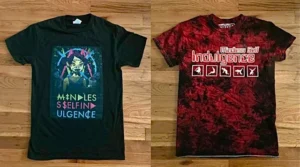
The best way to navigate this dynamic is by becoming an informed and wise consumer. Understanding the fundamental differences between these two product paths ensures that we do not get ripped off by dishonest sellers who price low-quality, bootlegged prints at premium, imported official rates.
Whenever your budget allows, prioritizing purchases through the band’s official channels is the highest form of respect you can give to their art. However, if your interest falls on community-driven creations or unique tribute fan art, make sure you buy them from independent creators who prioritize creativity and original concepts over those who merely copy-paste low-res digital graphics from the internet. Through this collective awareness, the economic wheel surrounding rock and metal culture will continue to spin healthily, supporting the musicians while keeping creative spaces alive.