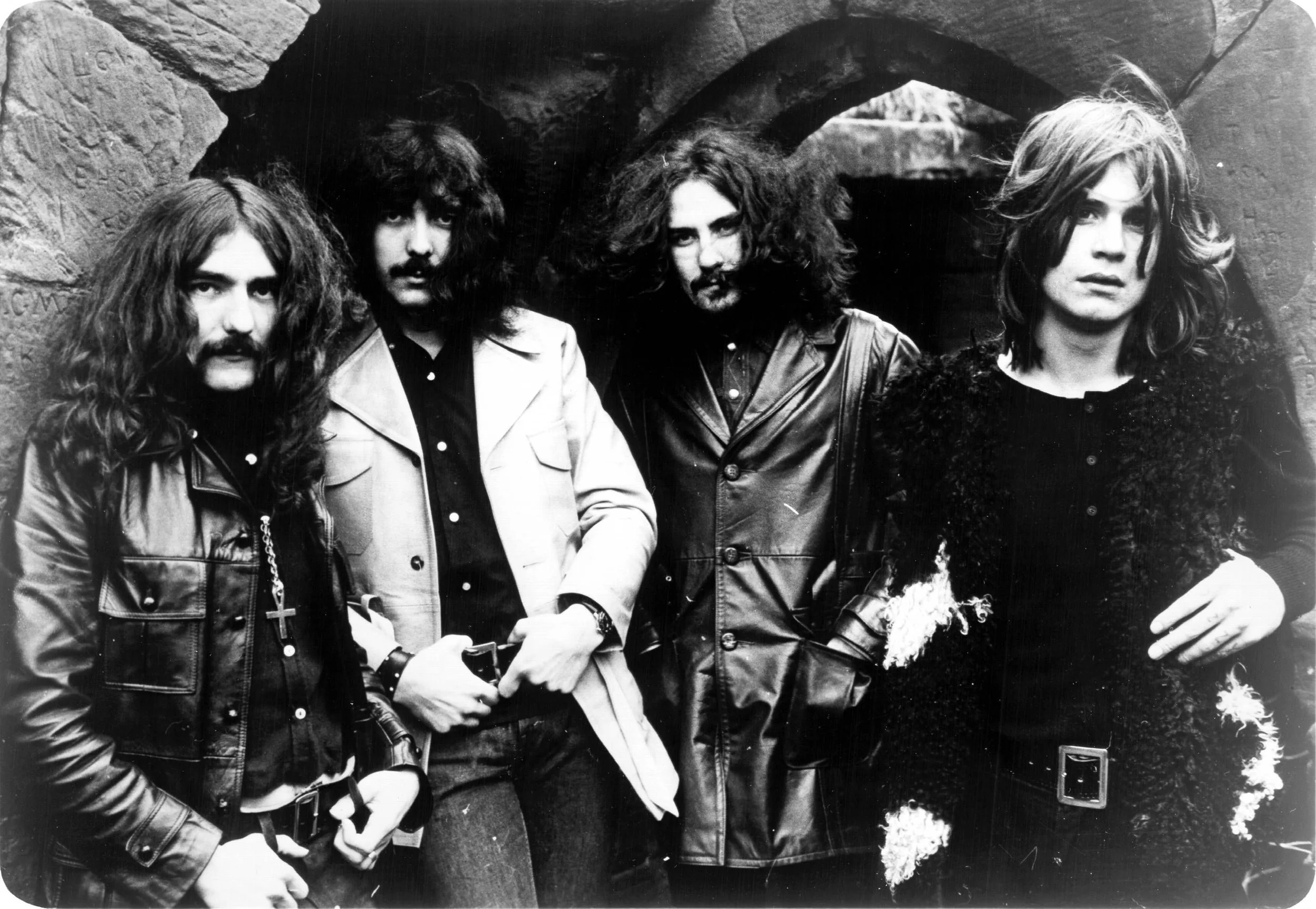
Rock and Metal Music: History Influences and Modern Culture – Rock music has a rich and diverse history that dates back to the 1950s. Emerging from a mix of blues, rhythm and blues, and country music, rock was a rebellion against the conventional sounds of its time. Artists like Chuck Berry and Elvis Presley pioneered the style with electrifying guitar riffs, upbeat rhythms, and an energy that captured the youth.
By the 1960s, rock evolved into something bigger. The British Invasion, led by bands like The Beatles and The Rolling Stones, transformed the music scene worldwide. Rock wasn’t just music anymore—it became a lifestyle, influencing fashion, attitudes, and culture.
The Rise of Metal
Heavy metal developed in the late 1960s and early 1970s, building on the foundations of rock. Bands like Black Sabbath, Led Zeppelin, and Deep Purple introduced heavier guitar tones, darker themes, and powerful vocals that set them apart from mainstream rock. Metal was louder, more aggressive, and often explored themes like rebellion, fantasy, and social issues.
The 1980s saw metal explode into subgenres. Thrash metal, pioneered by Metallica and Slayer, was faster and more aggressive, while glam metal brought a flashy, theatrical element with bands like Mötley Crüe and Poison. Metal became a genre that could express raw emotion in ways rock sometimes could not.
Influences That Shaped the Genres
Rock and metal didn’t exist in isolation. They were influenced by earlier musical styles and social changes. Blues music, with its emotive guitar solos and storytelling, laid the groundwork for rock’s melodic elements. Jazz contributed improvisation and complexity, while folk music brought lyrical depth and storytelling.
Social and political movements also played a huge role. The counterculture of the 1960s, anti-war protests, and youth rebellion against norms fueled rock’s message. Metal, on the other hand, often reflected personal struggle, fantasy worlds, or critiques of society, creating an outlet for emotions many found difficult to express otherwise.
Evolution Through the Decades
Rock music evolved continuously. In the 1970s, progressive rock bands like Pink Floyd and Genesis pushed musical boundaries with intricate compositions and experimental sounds. Punk rock emerged as a reaction to overly polished music, favoring simplicity, speed, and raw emotion.
Metal continued to diversify. Death metal, black metal, and power metal brought different moods and styles, each with dedicated fan bases. By the 1990s, grunge, a fusion of punk and metal elements, emerged with bands like Nirvana and Soundgarden, reflecting a darker, more introspective side of youth culture.
Modern Rock and Metal Scenes
Today, both rock and metal are alive and thriving, though in different ways. Mainstream rock has merged with pop and electronic influences, while metal retains a loyal, often underground following. Festivals like Wacken Open Air in Germany and Download Festival in the UK celebrate metal with thousands of fans from all over the world.
Online communities and streaming platforms have given new life to these genres. Indie bands and emerging metal acts can now reach global audiences without relying on traditional labels. Social media has also helped create subcultures around specific styles, from symphonic metal to post-rock, keeping the genres vibrant and evolving.
Cultural Impact and Legacy
Rock and metal are more than just music—they are cultural phenomena. They’ve influenced fashion, art, and even film. Leather jackets, band tees, and tattoos are all iconic symbols of the rock and metal lifestyle. Beyond aesthetics, these genres have fostered strong communities where fans share values of individuality, freedom, and authenticity.
The legacy of rock and metal can be seen in modern music. Pop artists often incorporate rock elements, while metal riffs influence electronic music production. The storytelling, energy, and emotional depth of these genres continue to inspire musicians and fans alike.
Why Rock and Metal Matter Today
In a world dominated by digital sounds and instant streaming, rock and metal remind us of the power of raw energy and emotional honesty. They show that music can be a form of rebellion, a way to process life’s challenges, or simply a celebration of sound and performance.
For fans, these genres aren’t just entertainment—they are identity. From headbanging at a concert to collecting vinyl records, rock and metal remain as much about community and shared experience as they are about music itself.
Conclusion
Rock and metal have come a long way since their early days. From the electrifying rock n’ roll of the 1950s to the intense subgenres of modern metal, both styles have continuously evolved, influenced by culture, social change, and musical innovation. Today, they remain powerful expressions of emotion, identity, and rebellion, connecting generations of fans around the world.
Whether you’re a die-hard metalhead or a casual rock listener, the history and culture behind these genres offer a fascinating journey through music, society, and human creativity. Rock and metal aren’t just sounds—they are a way of life, and their influence shows no signs of fading anytime soon.