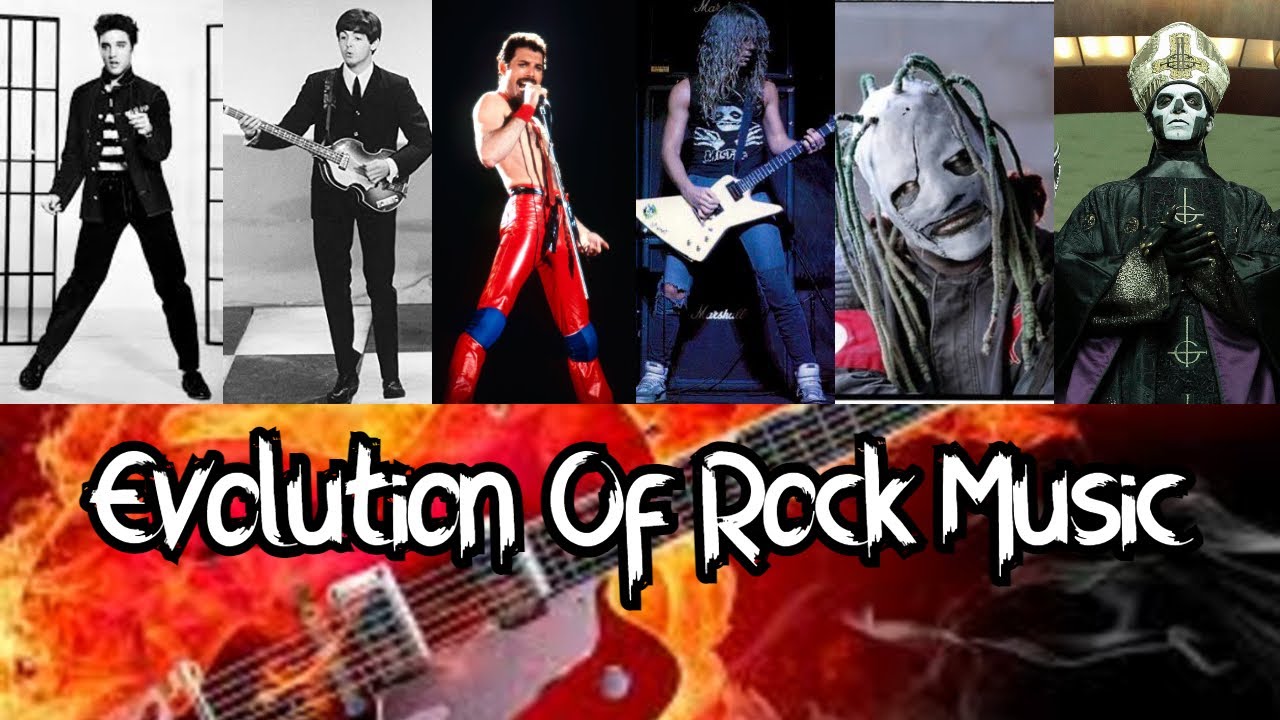
The Evolution of Rock and Metal Music Worldwide
The Evolution of Rock and Metal Music Worldwide – Rock and metal music have traveled a long and fascinating road, shaping generations, cultures, and even social movements around the world. What started as a raw blend of blues, folk, and early rhythm sounds eventually evolved into some of the most powerful and diverse genres in modern music history. Today, rock and metal are global phenomena, with loyal fanbases across continents and countless subgenres that continue to grow.
Understanding the evolution of rock and metal music worldwide helps explain why these genres remain relevant, rebellious, and emotionally resonant decades after their birth.
The Roots of Rock Music
Rock music began to take shape in the late 1940s and early 1950s, primarily in the United States. Its foundation was built on African-American blues, gospel, and rhythm and blues, mixed with country and folk influences. Early pioneers like Chuck Berry, Little Richard, and Elvis Presley transformed these sounds into something more energetic and youth-driven.
At its core, early rock music represented freedom and rebellion. It broke social norms, challenged conservative values, and gave young people a voice. This spirit would later become a defining characteristic of both rock and metal music worldwide.
As rock spread across the Atlantic, British artists embraced and reshaped the genre, setting the stage for a global musical revolution.
The British Invasion and Global Expansion
The 1960s marked a turning point with the rise of the British Invasion. Bands like The Beatles, The Rolling Stones, and The Who took American rock influences and refined them with new melodies, songwriting techniques, and cultural identity. This era pushed rock music into mainstream global popularity.
Rock music quickly crossed borders, inspiring local scenes in Europe, Australia, Japan, and South America. Each region added its own cultural flavor, proving that rock was not just an American or British phenomenon, but a universal language.
During this period, rock also became more experimental. Psychedelic rock, progressive rock, and hard rock emerged, laying the groundwork for something heavier and louder.
The Birth of Heavy Metal
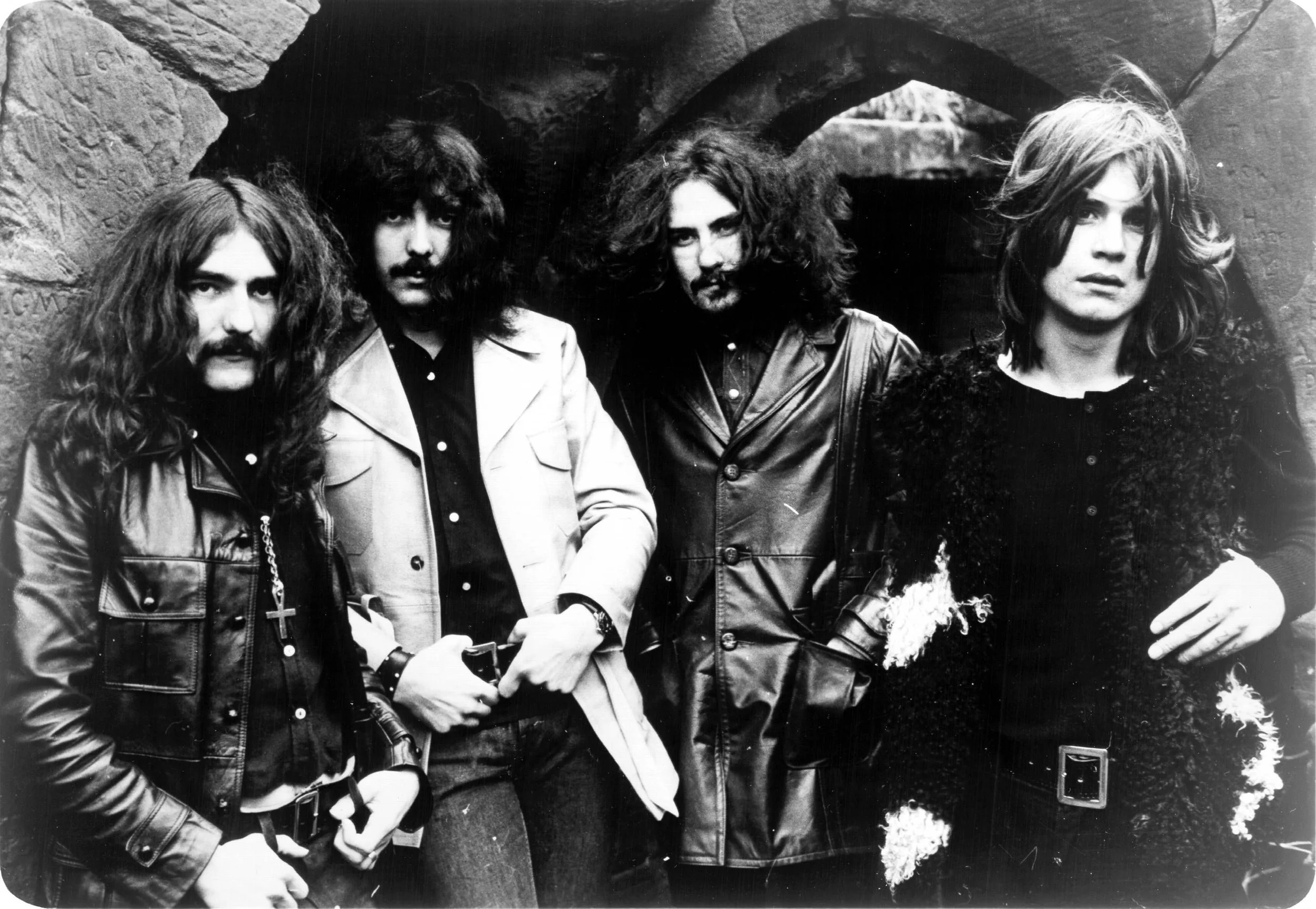
Heavy metal emerged in the late 1960s and early 1970s as a darker, more aggressive evolution of hard rock. Bands like Black Sabbath, Led Zeppelin, and Deep Purple introduced heavier guitar riffs, darker lyrical themes, and a more intense sound.
Black Sabbath, in particular, is often credited as the true pioneer of heavy metal music. Their music reflected fear, war, and social anxiety, capturing the mood of a world dealing with political unrest and cultural change.
From the UK, heavy metal spread rapidly across Europe and North America. Fans connected with its raw power and emotional honesty, turning metal into a lifestyle rather than just a music genre.
Metal Goes Worldwide
By the late 1970s and 1980s, heavy metal had firmly established itself worldwide. The New Wave of British Heavy Metal revived the genre with faster tempos and sharper production. Bands like Iron Maiden and Judas Priest influenced countless musicians across the globe.
At the same time, metal scenes began to grow in unexpected places. Germany developed a strong power metal and thrash metal culture. Scandinavia later became known for black metal and melodic death metal. Japan built a loyal metal audience with its own unique sound and aesthetics.
Metal music became a global movement, adapting to local cultures while maintaining its core identity.
The Rise of Subgenres and Underground Scenes
One of the most important aspects of rock and metal music evolution is the creation of subgenres. As artists pushed creative boundaries, new styles emerged naturally. Punk rock rejected complexity in favor of raw simplicity. Thrash metal introduced speed and aggression. Death metal explored darker themes and technical precision.
Grunge, alternative rock, and nu-metal dominated the 1990s, bringing rock and metal back into mainstream attention. Bands from Seattle to California reshaped the sound, making it more accessible while still emotionally intense.
Meanwhile, underground scenes continued to thrive. Independent labels, local venues, and passionate fans kept the spirit alive, proving that rock and metal did not rely solely on commercial success.
Rock and Metal in the Digital Age
The internet dramatically changed how rock and metal music spread worldwide. Social media, streaming platforms, and online communities allowed bands from any country to reach global audiences. Independent artists no longer needed major labels to gain recognition.
Metal bands from South America, Southeast Asia, the Middle East, and Eastern Europe began gaining international followings. This digital exposure strengthened the idea that metal is a global brotherhood, united by sound rather than geography.
Rock music also found new life through revival movements and modern reinterpretations. Classic rock influences returned in new forms, blending nostalgia with contemporary production.
Cultural Impact Beyond Music
Rock and metal music have always been more than just sound. They influence fashion, ideology, and identity. Leather jackets, band shirts, long hair, and stage aesthetics became symbols of resistance and individuality.
Lyrics often address real-world issues such as war, mental health, corruption, and personal struggle. This honesty allows fans to connect deeply with the music, making rock and metal powerful emotional outlets.
In many countries, rock and metal also became tools for social expression, especially in places where freedom of speech was limited. The music represented courage, unity, and defiance.
The Future of Rock and Metal Music
Despite claims that rock and metal are fading, the reality tells a different story. These genres continue to evolve, blending with electronic music, hip-hop, and traditional sounds from various cultures. Younger generations are discovering classic bands while creating new movements of their own.
Live performances, festivals, and loyal fan communities keep rock and metal alive. While trends may change, the core values of authenticity, expression, and rebellion remain strong.
The evolution of rock and metal music worldwide proves that true art never disappears. It adapts, survives, and finds new ways to speak to the human experience.
Conclusion
From its humble beginnings in blues and rock and roll to its massive global presence today, rock and metal music have undergone an extraordinary journey. These genres continue to inspire musicians and fans across generations and cultures.
The worldwide evolution of rock and metal music is a story of creativity, resistance, and connection. As long as people seek honest expression and powerful sound, rock and metal will continue to roar across the world.
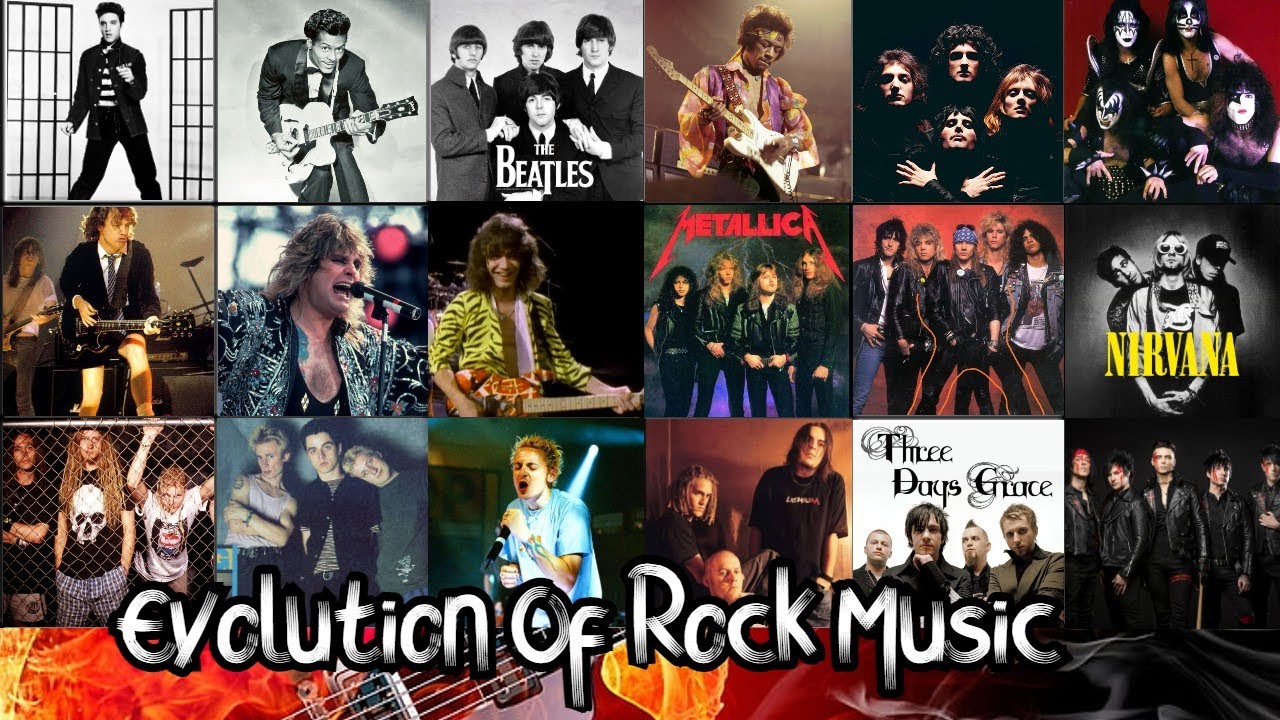
The Evolution of Rock and Metal Music
The Evolution of Rock and Metal Music – Rock and metal music have traveled a long, noisy, and fascinating road. What started as a rebellious sound in the mid-20th century has grown into one of the most influential musical movements in history. From blues-inspired rock and roll to extreme metal subgenres, this evolution reflects cultural change, youth rebellion, and the endless desire to push sonic boundaries.
Understanding the evolution of rock and metal music helps us see how generations express identity, anger, freedom, and creativity through sound.
The Roots of Rock Music
Rock music didn’t appear overnight. Its foundation was built from African-American blues, rhythm and blues, gospel, and country music. In the late 1940s and early 1950s, artists began blending these styles into something louder, faster, and more energetic.
Early Rock and Roll Era
In the 1950s, rock and roll exploded into mainstream culture. Artists like Elvis Presley, Chuck Berry, and Little Richard brought a raw energy that challenged social norms. The guitar became the center of attention, and music was no longer just entertainment, it was an attitude.
Rock music at this stage was simple, catchy, and driven by rhythm. But it planted the seeds for experimentation and rebellion that would later define the genre.
The Rise of Classic Rock
The 1960s and 1970s marked a golden era for rock music. Bands began to push creative limits, writing longer songs, experimenting with sound effects, and exploring deeper lyrical themes.
British Invasion and Psychedelic Rock
The British Invasion changed everything. Bands like The Beatles, The Rolling Stones, and The Who brought a fresh sound that blended rock with pop, blues, and psychedelia. Meanwhile, psychedelic rock emerged, inspired by counterculture movements and experimentation with consciousness.
This era transformed rock into an art form, not just dance music. Albums became statements, and live performances turned into cultural events.
Hard Rock Takes Shape
As amplification improved, rock music got louder and heavier. Bands like Led Zeppelin, Deep Purple, and Black Sabbath introduced heavier guitar riffs, darker lyrics, and aggressive vocals. This shift laid the groundwork for what would soon become heavy metal.
The Birth of Heavy Metal
Heavy metal officially emerged in the late 1960s and early 1970s, with Black Sabbath often credited as the genre’s pioneer. Their dark themes, slow crushing riffs, and ominous tone set metal apart from traditional rock.
Defining the Metal Sound
Metal music focused on power. Distorted guitars, extended solos, thunderous drums, and intense vocals became defining features. Lyrics explored darker topics such as fear, war, fantasy, and inner conflict.
This new sound resonated with listeners who wanted something heavier and more aggressive than classic rock.
Metal Expands in the 1980s
The 1980s were a turning point for metal. The genre split into multiple directions, each with its own identity and fanbase.
The Rise of Thrash Metal
Thrash metal emerged as a faster and angrier response to mainstream rock. Bands like Metallica, Slayer, Megadeth, and Anthrax combined punk speed with metal precision. The result was aggressive, technical, and socially critical music.
Thrash metal influenced nearly every extreme metal genre that followed.
Glam Metal and Commercial Success
On the opposite end, glam metal dominated radio and television. Bands such as Mötley Crüe, Poison, and Def Leppard brought flashy looks, catchy hooks, and arena-friendly anthems. While often criticized for being superficial, glam metal introduced metal to a massive global audience.
The Underground Metal Movement
As metal grew, the underground scene flourished. Musicians rejected commercial sounds and pushed metal into darker and more extreme territories.
Death Metal and Black Metal
Death metal developed with brutal vocals, complex riffs, and intense drumming. Bands like Death and Morbid Angel focused on technical skill and extreme sound.
Black metal, especially from Scandinavia, emphasized atmosphere, raw production, and dark imagery. It became more than music, it was a movement built around ideology and aesthetics.
These subgenres proved that metal had no limits.
Alternative Rock and Metal in the 1990s
The 1990s brought another major shift. Grunge and alternative rock challenged polished production and glam culture.
Bands like Nirvana, Soundgarden, and Alice in Chains blended rock and metal elements with raw emotion and honesty. Lyrics focused on alienation, depression, and real life struggles.
Metal also adapted, giving rise to groove metal and later nu metal, which mixed heavy riffs with hip-hop influences.
Modern Rock and Metal Evolution
In the 2000s and beyond, rock and metal continued to evolve in the digital age. Technology made music more accessible, allowing underground scenes to grow globally.
Metalcore, Progressive, and Beyond
Metalcore combined hardcore punk energy with metal precision, appealing to younger audiences. Progressive metal focused on complexity and musicianship, blending metal with jazz, classical, and experimental sounds.
Rock music also diversified, merging with electronic, indie, and alternative styles.
The Cultural Impact of Rock and Metal Music
Rock and metal are more than genres. They represent freedom, rebellion, and identity. These styles influenced fashion, politics, and youth culture across generations.
Despite changing trends, rock and metal continue to survive because they adapt. New bands keep emerging, old bands remain influential, and fans stay loyal.
Conclusion
The evolution of rock and metal music is a story of constant change and fearless creativity. From blues-based rock and roll to extreme metal subgenres, each era reflects the emotions and struggles of its time.
Rock and metal may evolve, but their core spirit remains the same: loud, honest, and unapologetically human.
Rock and Metal Music: History, Influences, and Modern Culture
Rock and Metal Music: History Influences and Modern Culture – Rock music has a rich and diverse history that dates back to the 1950s. Emerging from a mix of blues, rhythm and blues, and country music, rock was a rebellion against the conventional sounds of its time. Artists like Chuck Berry and Elvis Presley pioneered the style with electrifying guitar riffs, upbeat rhythms, and an energy that captured the youth.
By the 1960s, rock evolved into something bigger. The British Invasion, led by bands like The Beatles and The Rolling Stones, transformed the music scene worldwide. Rock wasn’t just music anymore—it became a lifestyle, influencing fashion, attitudes, and culture.
The Rise of Metal
Heavy metal developed in the late 1960s and early 1970s, building on the foundations of rock. Bands like Black Sabbath, Led Zeppelin, and Deep Purple introduced heavier guitar tones, darker themes, and powerful vocals that set them apart from mainstream rock. Metal was louder, more aggressive, and often explored themes like rebellion, fantasy, and social issues.
The 1980s saw metal explode into subgenres. Thrash metal, pioneered by Metallica and Slayer, was faster and more aggressive, while glam metal brought a flashy, theatrical element with bands like Mötley Crüe and Poison. Metal became a genre that could express raw emotion in ways rock sometimes could not.
Influences That Shaped the Genres
Rock and metal didn’t exist in isolation. They were influenced by earlier musical styles and social changes. Blues music, with its emotive guitar solos and storytelling, laid the groundwork for rock’s melodic elements. Jazz contributed improvisation and complexity, while folk music brought lyrical depth and storytelling.
Social and political movements also played a huge role. The counterculture of the 1960s, anti-war protests, and youth rebellion against norms fueled rock’s message. Metal, on the other hand, often reflected personal struggle, fantasy worlds, or critiques of society, creating an outlet for emotions many found difficult to express otherwise.
Evolution Through the Decades
Rock music evolved continuously. In the 1970s, progressive rock bands like Pink Floyd and Genesis pushed musical boundaries with intricate compositions and experimental sounds. Punk rock emerged as a reaction to overly polished music, favoring simplicity, speed, and raw emotion.
Metal continued to diversify. Death metal, black metal, and power metal brought different moods and styles, each with dedicated fan bases. By the 1990s, grunge, a fusion of punk and metal elements, emerged with bands like Nirvana and Soundgarden, reflecting a darker, more introspective side of youth culture.
Modern Rock and Metal Scenes
Today, both rock and metal are alive and thriving, though in different ways. Mainstream rock has merged with pop and electronic influences, while metal retains a loyal, often underground following. Festivals like Wacken Open Air in Germany and Download Festival in the UK celebrate metal with thousands of fans from all over the world.
Online communities and streaming platforms have given new life to these genres. Indie bands and emerging metal acts can now reach global audiences without relying on traditional labels. Social media has also helped create subcultures around specific styles, from symphonic metal to post-rock, keeping the genres vibrant and evolving.
Cultural Impact and Legacy
Rock and metal are more than just music—they are cultural phenomena. They’ve influenced fashion, art, and even film. Leather jackets, band tees, and tattoos are all iconic symbols of the rock and metal lifestyle. Beyond aesthetics, these genres have fostered strong communities where fans share values of individuality, freedom, and authenticity.
The legacy of rock and metal can be seen in modern music. Pop artists often incorporate rock elements, while metal riffs influence electronic music production. The storytelling, energy, and emotional depth of these genres continue to inspire musicians and fans alike.
Why Rock and Metal Matter Today
In a world dominated by digital sounds and instant streaming, rock and metal remind us of the power of raw energy and emotional honesty. They show that music can be a form of rebellion, a way to process life’s challenges, or simply a celebration of sound and performance.
For fans, these genres aren’t just entertainment—they are identity. From headbanging at a concert to collecting vinyl records, rock and metal remain as much about community and shared experience as they are about music itself.
Conclusion
Rock and metal have come a long way since their early days. From the electrifying rock n’ roll of the 1950s to the intense subgenres of modern metal, both styles have continuously evolved, influenced by culture, social change, and musical innovation. Today, they remain powerful expressions of emotion, identity, and rebellion, connecting generations of fans around the world.
Whether you’re a die-hard metalhead or a casual rock listener, the history and culture behind these genres offer a fascinating journey through music, society, and human creativity. Rock and metal aren’t just sounds—they are a way of life, and their influence shows no signs of fading anytime soon.