The Changing Landscape of Rock & Metal Distribution
The Changing Landscape of Rock & Metal Distribution – Rock and metal music have always evolved alongside technology. From the warm crackle of vinyl records to the instant accessibility of digital streaming, the way fans discover and consume heavy music has transformed dramatically over the decades. What once required a trip to a local record store can now happen with a few taps on a smartphone.
For rock and metal artists, this shift has reshaped not only how music is distributed but also how careers are built. Understanding the journey from physical formats to digital platforms helps explain why modern bands approach promotion, touring, and fan engagement differently than artists from previous generations.
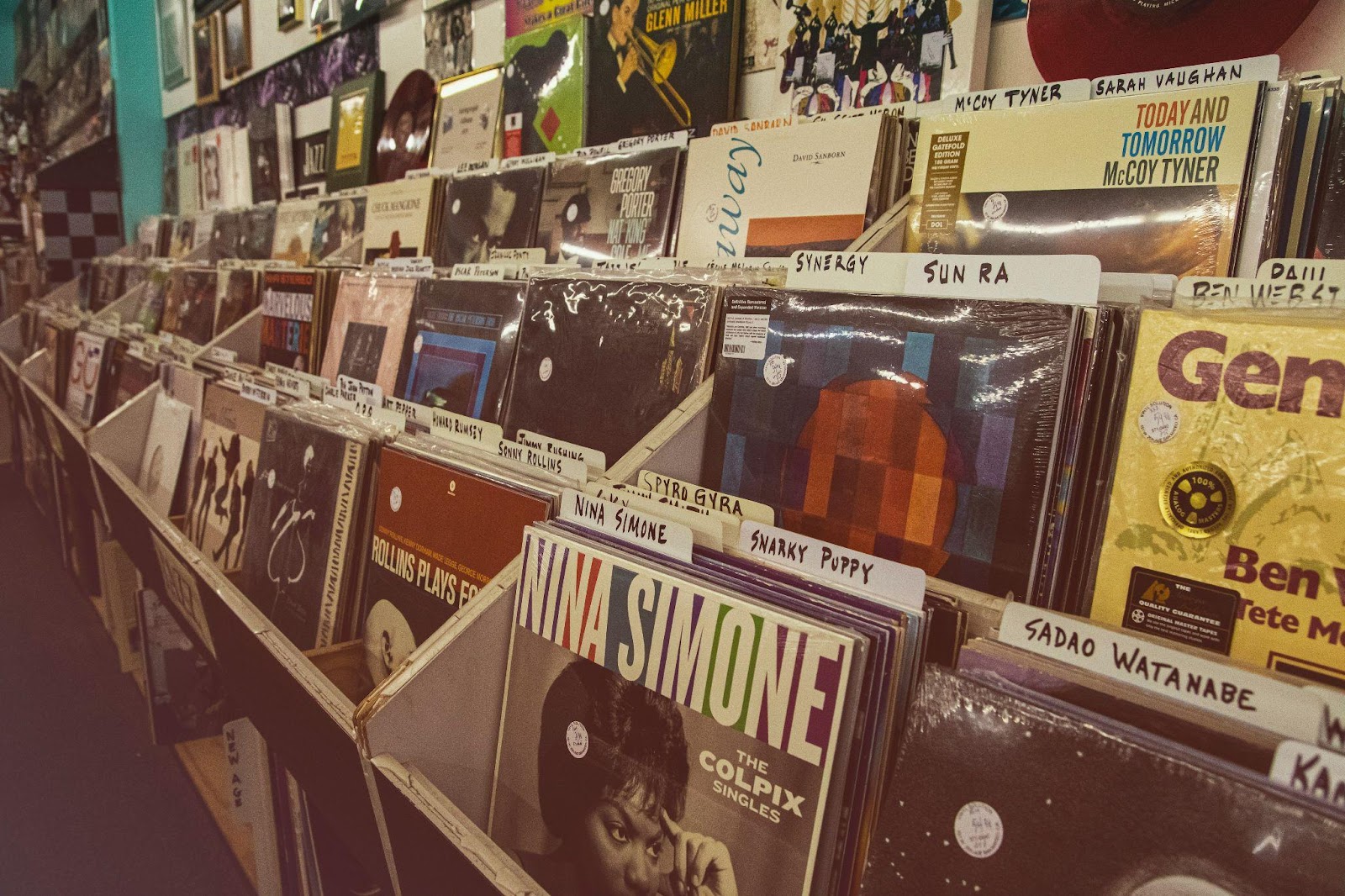
The Era of Vinyl and Record Stores
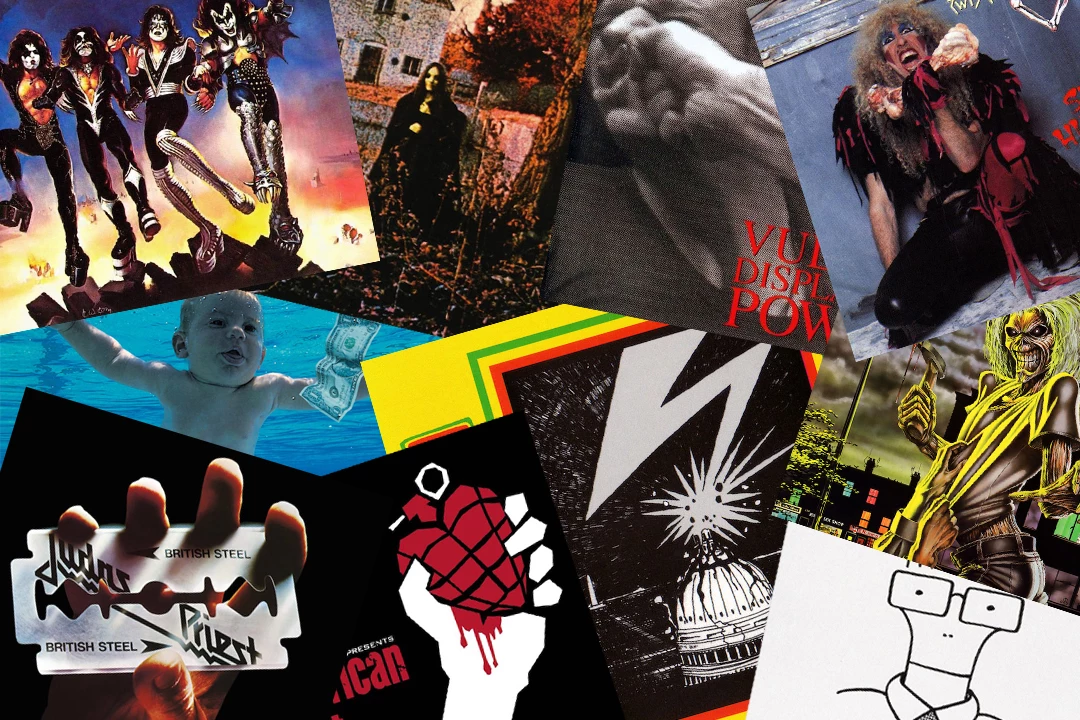
Before the digital age, vinyl records were the lifeblood of the rock and metal scene. In the 1960s and 1970s, LPs were the primary way fans experienced music. Albums weren’t just collections of songs; they were full artistic statements. Fans would sit with headphones, study the album artwork, and absorb every lyric.
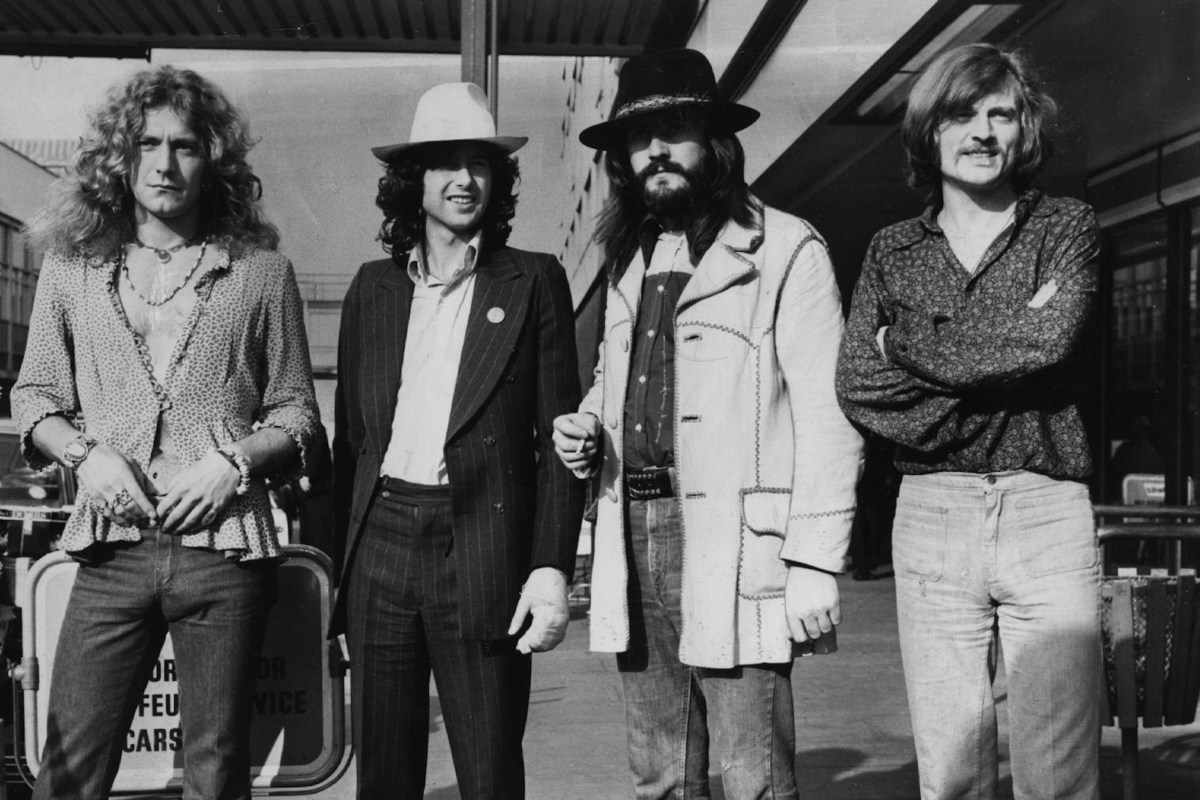
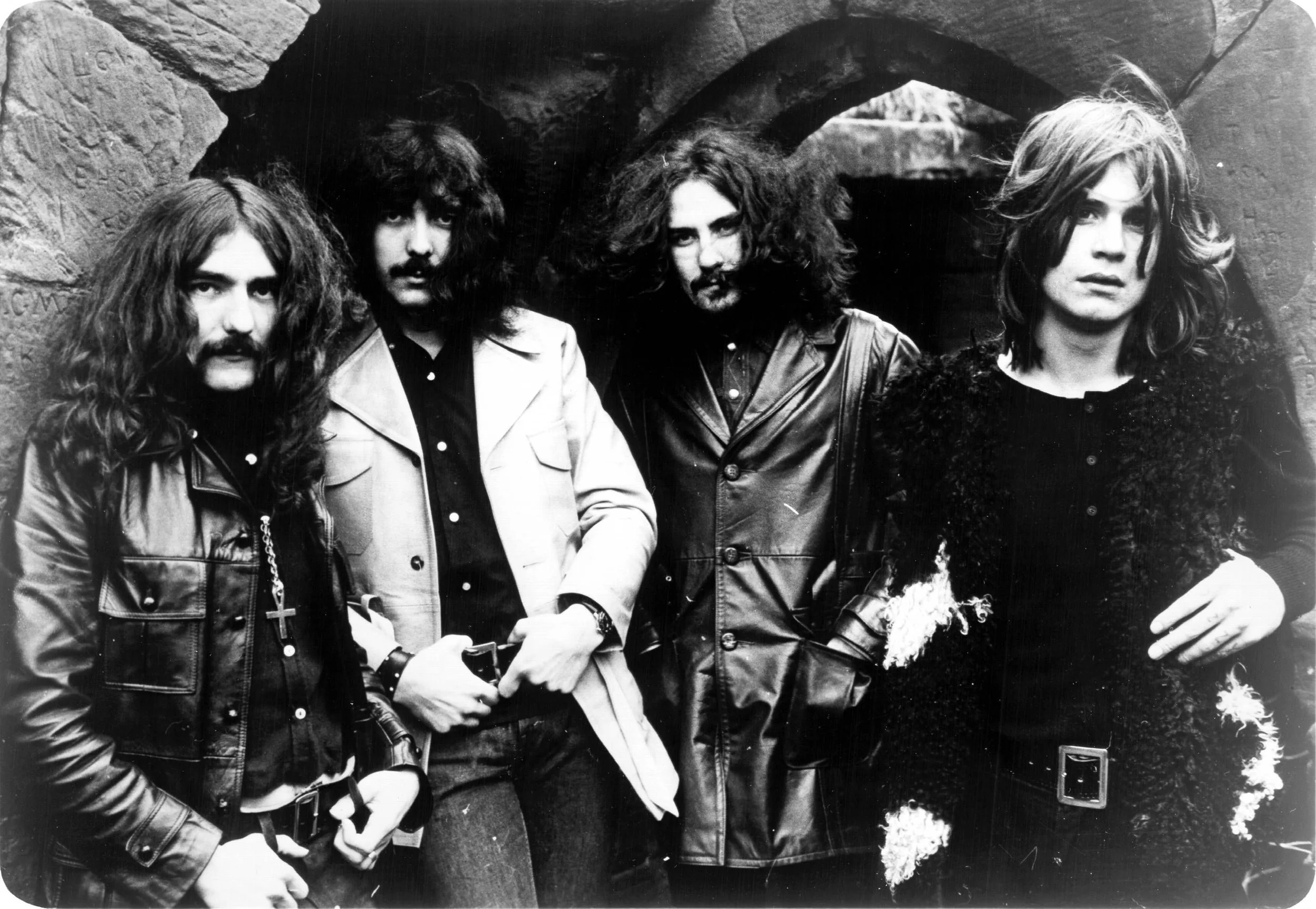
Rock legends like Led Zeppelin and Black Sabbath built massive followings during this era. Record labels controlled most aspects of production and distribution, pressing vinyl records and shipping them to stores around the world. Success depended heavily on radio play, physical sales, and word-of-mouth among fans.
For metal bands especially, underground communities played a huge role. Independent record shops became cultural hubs where fans traded recommendations and discovered new releases. Limited pressings and collectible vinyl editions added to the mystique of the genre, something that still influences metal culture today.
Cassettes and the Rise of the Underground
In the 1980s, cassette tapes introduced a new level of accessibility and freedom. Tapes were cheaper to produce and easier to duplicate, which allowed underground rock and metal bands to distribute their music without major label support.
This era saw the birth of the famous “tape trading” culture within the metal community. Fans would mail copies of demo tapes across countries, spreading new sounds long before the internet existed. Extreme metal genres such as death metal and black metal grew rapidly through this grassroots network.
Bands like Metallica and Slayer gained early momentum during a time when demo recordings circulated widely among dedicated fans. These recordings often had raw production, but authenticity mattered more than polish. For many metal fans, the underground spirit became an essential part of the genre’s identity.
The CD Boom and Global Expansion
The 1990s marked the rise of compact discs, which quickly became the dominant music format worldwide. CDs offered higher sound quality and greater durability compared to vinyl and cassettes, making them appealing to both consumers and record labels.
Major labels embraced CDs because they were profitable and easy to mass produce. For rock and metal bands, this period opened doors to global distribution on an unprecedented scale. Albums could reach international markets quickly, and record stores expanded their inventories.
During this era, bands like Nirvana and Iron Maiden saw massive commercial success, driven largely by CD sales. Music television and global marketing campaigns also helped propel rock and metal into mainstream popularity.
However, the industry’s heavy reliance on physical sales also created a system where labels maintained tight control over artists. Recording contracts often favored companies more than musicians, which would later become a major topic of debate when digital distribution emerged.
The Digital Disruption
The early 2000s brought one of the most significant changes in music history. Digital files and internet sharing completely disrupted traditional distribution models. MP3 technology allowed music to be compressed into smaller files that could be downloaded or shared online.
Platforms like Napster introduced millions of listeners to peer-to-peer music sharing. For fans, it meant instant access to entire catalogs of rock and metal music. For the industry, it represented a major threat to physical sales.
Record labels initially struggled to adapt. CD revenue dropped sharply as listeners turned to digital downloads. At the same time, independent artists began realizing that the internet could help them bypass traditional gatekeepers.
The Rise of Legal Digital Platforms
As the industry adjusted to digital consumption, legitimate platforms began to emerge. Online music stores and streaming services provided legal alternatives to piracy while giving artists new ways to distribute their work.
Companies like Apple launched iTunes, which allowed users to purchase individual songs instead of entire albums. This shift changed listening habits dramatically. Fans could build custom playlists rather than committing to full records.
Later, streaming platforms such as Spotify and YouTube transformed the industry once again. Instead of owning music, listeners began accessing massive libraries through subscriptions or ad-supported streams.
For rock and metal artists, streaming created new opportunities for global exposure. A band from a small town could suddenly reach fans in multiple countries without physical distribution.
Social Media and Direct Fan Connection
Another key change in the digital era is the rise of social media. Platforms like Instagram and TikTok allow musicians to communicate directly with fans without relying solely on labels or traditional media.
This direct connection has reshaped how rock and metal bands build communities. Announcements, teasers, and live interactions now happen instantly online. Viral clips, guitar riffs, or live performance moments can spread quickly across global audiences.
For newer bands, digital promotion can be just as important as touring. Many artists combine streaming releases with social content, merchandise sales, and fan-driven promotion.
The Vinyl Revival in the Digital Age
Interestingly, while digital streaming dominates modern music consumption, vinyl records have made a surprising comeback. Many rock and metal fans appreciate vinyl for its tactile experience, artwork, and collectible value.
Limited edition pressings, colored vinyl, and deluxe packaging appeal to collectors who want something physical in an increasingly digital world. For established artists, vinyl releases can also generate additional revenue streams.
Bands like Tool and Ghost often release special vinyl editions that sell out quickly among dedicated fans. This trend shows that physical formats still hold cultural significance even in the streaming era.
The Future of Rock & Metal Distribution
Looking ahead, the distribution landscape for rock and metal will likely continue evolving. Streaming platforms remain dominant, but emerging technologies such as blockchain-based royalties, direct fan subscriptions, and virtual concerts may reshape the industry further.
What remains constant is the passion of the rock and metal community. Whether through vinyl records, digital downloads, or streaming playlists, fans continue searching for powerful riffs, meaningful lyrics, and authentic performances.
The journey from vinyl to digital reflects more than just technological change. It represents the resilience of a genre that has adapted repeatedly while maintaining its core identity. For rock and metal artists, distribution methods may change, but the connection between music and fans remains as strong as ever.