Rock and Metal Music That Shaped Generations
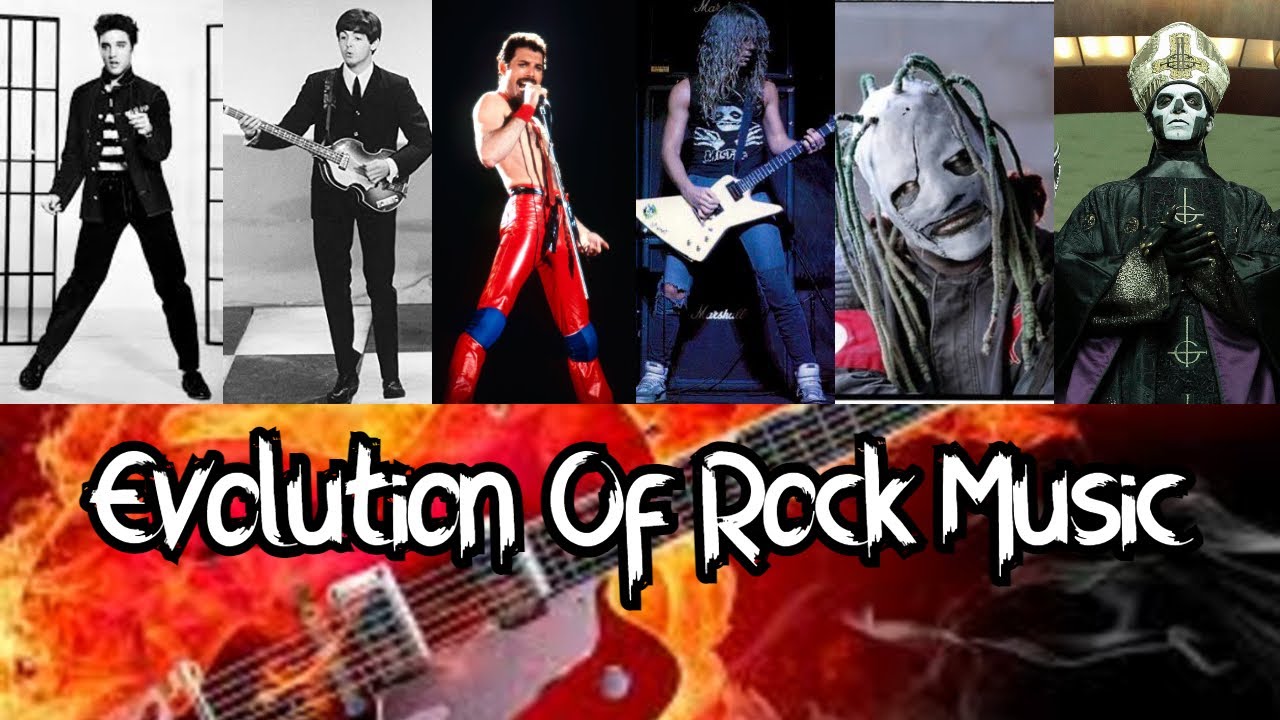
The Evolution of Rock and Metal Music Worldwide
The Evolution of Rock and Metal Music Worldwide – Rock and metal music have traveled a long and fascinating road, shaping generations, cultures, and even social movements around the world. What started as a raw blend of blues, folk, and early rhythm sounds eventually evolved into some of the most powerful and diverse genres in modern music history. Today, rock and metal are global phenomena, with loyal fanbases across continents and countless subgenres that continue to grow.
Understanding the evolution of rock and metal music worldwide helps explain why these genres remain relevant, rebellious, and emotionally resonant decades after their birth.
The Roots of Rock Music
Rock music began to take shape in the late 1940s and early 1950s, primarily in the United States. Its foundation was built on African-American blues, gospel, and rhythm and blues, mixed with country and folk influences. Early pioneers like Chuck Berry, Little Richard, and Elvis Presley transformed these sounds into something more energetic and youth-driven.
At its core, early rock music represented freedom and rebellion. It broke social norms, challenged conservative values, and gave young people a voice. This spirit would later become a defining characteristic of both rock and metal music worldwide.
As rock spread across the Atlantic, British artists embraced and reshaped the genre, setting the stage for a global musical revolution.
The British Invasion and Global Expansion
The 1960s marked a turning point with the rise of the British Invasion. Bands like The Beatles, The Rolling Stones, and The Who took American rock influences and refined them with new melodies, songwriting techniques, and cultural identity. This era pushed rock music into mainstream global popularity.
Rock music quickly crossed borders, inspiring local scenes in Europe, Australia, Japan, and South America. Each region added its own cultural flavor, proving that rock was not just an American or British phenomenon, but a universal language.
During this period, rock also became more experimental. Psychedelic rock, progressive rock, and hard rock emerged, laying the groundwork for something heavier and louder.
The Birth of Heavy Metal
Heavy metal emerged in the late 1960s and early 1970s as a darker, more aggressive evolution of hard rock. Bands like Black Sabbath, Led Zeppelin, and Deep Purple introduced heavier guitar riffs, darker lyrical themes, and a more intense sound.
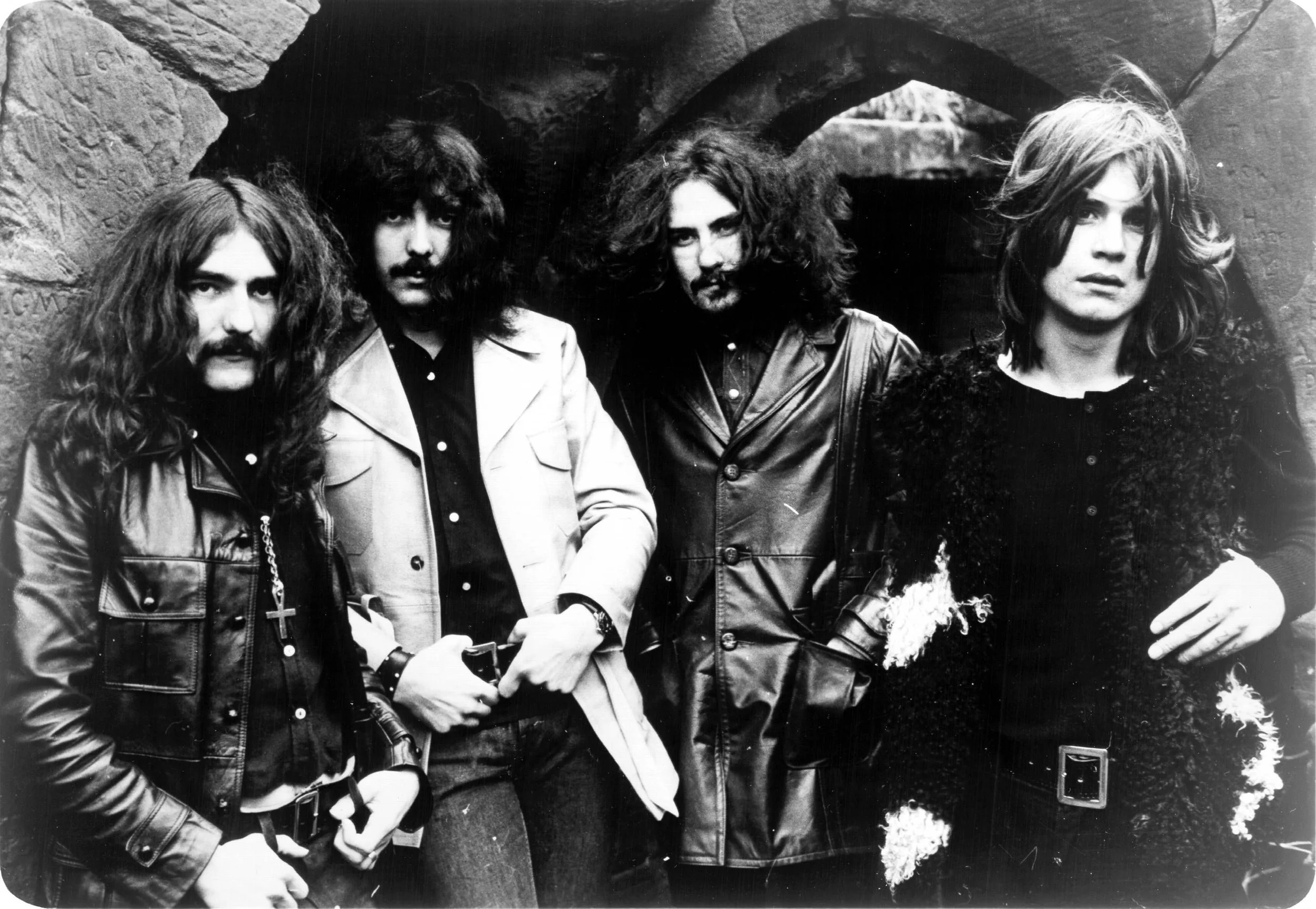
Black Sabbath, in particular, is often credited as the true pioneer of heavy metal music. Their music reflected fear, war, and social anxiety, capturing the mood of a world dealing with political unrest and cultural change.
From the UK, heavy metal spread rapidly across Europe and North America. Fans connected with its raw power and emotional honesty, turning metal into a lifestyle rather than just a music genre.
Metal Goes Worldwide
By the late 1970s and 1980s, heavy metal had firmly established itself worldwide. The New Wave of British Heavy Metal revived the genre with faster tempos and sharper production. Bands like Iron Maiden and Judas Priest influenced countless musicians across the globe.
At the same time, metal scenes began to grow in unexpected places. Germany developed a strong power metal and thrash metal culture. Scandinavia later became known for black metal and melodic death metal. Japan built a loyal metal audience with its own unique sound and aesthetics.
Metal music became a global movement, adapting to local cultures while maintaining its core identity.
The Rise of Subgenres and Underground Scenes
One of the most important aspects of rock and metal music evolution is the creation of subgenres. As artists pushed creative boundaries, new styles emerged naturally. Punk rock rejected complexity in favor of raw simplicity. Thrash metal introduced speed and aggression. Death metal explored darker themes and technical precision.
Grunge, alternative rock, and nu-metal dominated the 1990s, bringing rock and metal back into mainstream attention. Bands from Seattle to California reshaped the sound, making it more accessible while still emotionally intense.
Meanwhile, underground scenes continued to thrive. Independent labels, local venues, and passionate fans kept the spirit alive, proving that rock and metal did not rely solely on commercial success.
Rock and Metal in the Digital Age
The internet dramatically changed how rock and metal music spread worldwide. Social media, streaming platforms, and online communities allowed bands from any country to reach global audiences. Independent artists no longer needed major labels to gain recognition.
Metal bands from South America, Southeast Asia, the Middle East, and Eastern Europe began gaining international followings. This digital exposure strengthened the idea that metal is a global brotherhood, united by sound rather than geography.
Rock music also found new life through revival movements and modern reinterpretations. Classic rock influences returned in new forms, blending nostalgia with contemporary production.
Cultural Impact Beyond Music
Rock and metal music have always been more than just sound. They influence fashion, ideology, and identity. Leather jackets, band shirts, long hair, and stage aesthetics became symbols of resistance and individuality.
Lyrics often address real-world issues such as war, mental health, corruption, and personal struggle. This honesty allows fans to connect deeply with the music, making rock and metal powerful emotional outlets.
In many countries, rock and metal also became tools for social expression, especially in places where freedom of speech was limited. The music represented courage, unity, and defiance.
The Future of Rock and Metal Music
Despite claims that rock and metal are fading, the reality tells a different story. These genres continue to evolve, blending with electronic music, hip-hop, and traditional sounds from various cultures. Younger generations are discovering classic bands while creating new movements of their own.
Live performances, festivals, and loyal fan communities keep rock and metal alive. While trends may change, the core values of authenticity, expression, and rebellion remain strong.
The evolution of rock and metal music worldwide proves that true art never disappears. It adapts, survives, and finds new ways to speak to the human experience.
Conclusion
From its humble beginnings in blues and rock and roll to its massive global presence today, rock and metal music have undergone an extraordinary journey. These genres continue to inspire musicians and fans across generations and cultures.
The worldwide evolution of rock and metal music is a story of creativity, resistance, and connection. As long as people seek honest expression and powerful sound, rock and metal will continue to roar across the world.
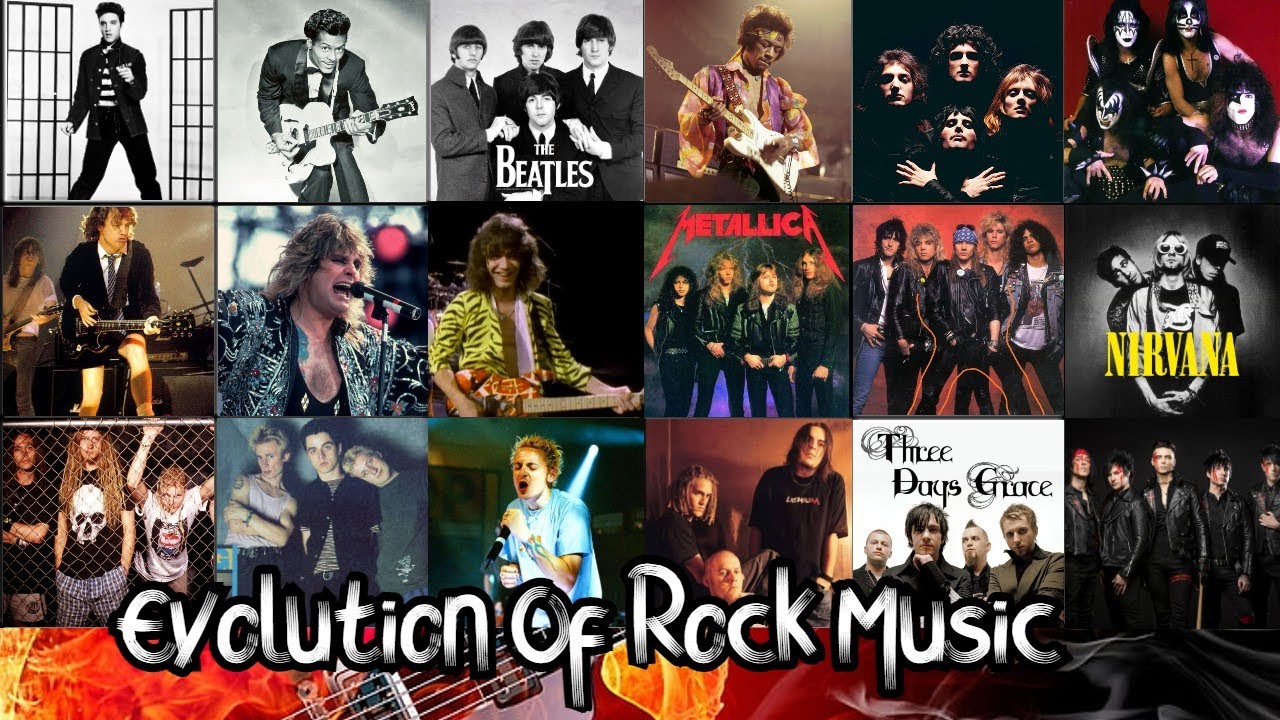
The Evolution of Rock and Metal Music
The Evolution of Rock and Metal Music – Rock and metal music have traveled a long, noisy, and fascinating road. What started as a rebellious sound in the mid-20th century has grown into one of the most influential musical movements in history. From blues-inspired rock and roll to extreme metal subgenres, this evolution reflects cultural change, youth rebellion, and the endless desire to push sonic boundaries.
Understanding the evolution of rock and metal music helps us see how generations express identity, anger, freedom, and creativity through sound.
The Roots of Rock Music
Rock music didn’t appear overnight. Its foundation was built from African-American blues, rhythm and blues, gospel, and country music. In the late 1940s and early 1950s, artists began blending these styles into something louder, faster, and more energetic.
Early Rock and Roll Era
In the 1950s, rock and roll exploded into mainstream culture. Artists like Elvis Presley, Chuck Berry, and Little Richard brought a raw energy that challenged social norms. The guitar became the center of attention, and music was no longer just entertainment, it was an attitude.
Rock music at this stage was simple, catchy, and driven by rhythm. But it planted the seeds for experimentation and rebellion that would later define the genre.
The Rise of Classic Rock
The 1960s and 1970s marked a golden era for rock music. Bands began to push creative limits, writing longer songs, experimenting with sound effects, and exploring deeper lyrical themes.
British Invasion and Psychedelic Rock
The British Invasion changed everything. Bands like The Beatles, The Rolling Stones, and The Who brought a fresh sound that blended rock with pop, blues, and psychedelia. Meanwhile, psychedelic rock emerged, inspired by counterculture movements and experimentation with consciousness.
This era transformed rock into an art form, not just dance music. Albums became statements, and live performances turned into cultural events.
Hard Rock Takes Shape
As amplification improved, rock music got louder and heavier. Bands like Led Zeppelin, Deep Purple, and Black Sabbath introduced heavier guitar riffs, darker lyrics, and aggressive vocals. This shift laid the groundwork for what would soon become heavy metal.
The Birth of Heavy Metal
Heavy metal officially emerged in the late 1960s and early 1970s, with Black Sabbath often credited as the genre’s pioneer. Their dark themes, slow crushing riffs, and ominous tone set metal apart from traditional rock.
Defining the Metal Sound
Metal music focused on power. Distorted guitars, extended solos, thunderous drums, and intense vocals became defining features. Lyrics explored darker topics such as fear, war, fantasy, and inner conflict.
This new sound resonated with listeners who wanted something heavier and more aggressive than classic rock.
Metal Expands in the 1980s
The 1980s were a turning point for metal. The genre split into multiple directions, each with its own identity and fanbase.
The Rise of Thrash Metal
Thrash metal emerged as a faster and angrier response to mainstream rock. Bands like Metallica, Slayer, Megadeth, and Anthrax combined punk speed with metal precision. The result was aggressive, technical, and socially critical music.
Thrash metal influenced nearly every extreme metal genre that followed.
Glam Metal and Commercial Success
On the opposite end, glam metal dominated radio and television. Bands such as Mötley Crüe, Poison, and Def Leppard brought flashy looks, catchy hooks, and arena-friendly anthems. While often criticized for being superficial, glam metal introduced metal to a massive global audience.
The Underground Metal Movement
As metal grew, the underground scene flourished. Musicians rejected commercial sounds and pushed metal into darker and more extreme territories.
Death Metal and Black Metal
Death metal developed with brutal vocals, complex riffs, and intense drumming. Bands like Death and Morbid Angel focused on technical skill and extreme sound.
Black metal, especially from Scandinavia, emphasized atmosphere, raw production, and dark imagery. It became more than music, it was a movement built around ideology and aesthetics.
These subgenres proved that metal had no limits.
Alternative Rock and Metal in the 1990s
The 1990s brought another major shift. Grunge and alternative rock challenged polished production and glam culture.
Bands like Nirvana, Soundgarden, and Alice in Chains blended rock and metal elements with raw emotion and honesty. Lyrics focused on alienation, depression, and real life struggles.
Metal also adapted, giving rise to groove metal and later nu metal, which mixed heavy riffs with hip-hop influences.
Modern Rock and Metal Evolution
In the 2000s and beyond, rock and metal continued to evolve in the digital age. Technology made music more accessible, allowing underground scenes to grow globally.
Metalcore, Progressive, and Beyond
Metalcore combined hardcore punk energy with metal precision, appealing to younger audiences. Progressive metal focused on complexity and musicianship, blending metal with jazz, classical, and experimental sounds.
Rock music also diversified, merging with electronic, indie, and alternative styles.
The Cultural Impact of Rock and Metal Music
Rock and metal are more than genres. They represent freedom, rebellion, and identity. These styles influenced fashion, politics, and youth culture across generations.
Despite changing trends, rock and metal continue to survive because they adapt. New bands keep emerging, old bands remain influential, and fans stay loyal.
Conclusion
The evolution of rock and metal music is a story of constant change and fearless creativity. From blues-based rock and roll to extreme metal subgenres, each era reflects the emotions and struggles of its time.
Rock and metal may evolve, but their core spirit remains the same: loud, honest, and unapologetically human.
Exploring the Sound and Spirit of Rock and Metal
Exploring the Sound and Spirit of Rock and Metal – Rock and metal music have long been more than just genres; they are a culture, a lifestyle, and a sonic journey. From the thunderous riffs of heavy metal to the raw energy of classic rock, these music styles have shaped generations, inspired rebellion, and created communities that span the globe. In this article, we dive deep into what makes rock and metal so captivating, exploring both the sound and the spirit behind the music.
The Roots of Rock and Metal
Rock music emerged in the 1950s and 60s, blending elements of blues, country, and rhythm and blues. Artists like Chuck Berry, Elvis Presley, and Little Richard set the stage with electrifying performances and catchy riffs that would later define rock as a genre. The evolution into harder sounds came with bands like Led Zeppelin, Black Sabbath, and Deep Purple, laying the foundation for heavy metal in the late 1960s and 1970s.
Metal, on the other hand, took the aggression and intensity of rock and pushed it to new heights. With distorted guitars, pounding drums, and powerful vocals, metal became the soundtrack for rebellion and self-expression. The genre also introduced complex song structures, virtuosic solos, and theatrical performances that elevated it from simple entertainment to a form of art.
The Distinctive Sound of Rock
Rock music is known for its iconic guitar riffs, driving bass lines, and powerful drumming. Unlike other genres, rock thrives on live energy and the chemistry between band members. Each instrument plays a role in building tension and release, giving listeners a sense of movement and intensity. The vocal style can vary from smooth and melodic to gritty and raw, but it always carries emotion that connects deeply with fans.
One of the most remarkable aspects of rock is its adaptability. From punk rock’s stripped-down, high-energy approach to progressive rock’s intricate compositions, the genre continues to evolve while maintaining its core spirit. It’s this ability to reinvent itself that has allowed rock music to remain relevant for decades.
The Power and Complexity of Metal
Metal is often characterized by its heavier and darker tones. Guitar riffs are more aggressive, drums are faster and more complex, and vocals can range from clean singing to guttural growls. Subgenres like thrash, death, black, and symphonic metal have further diversified the sound, offering something for every type of listener.
Beyond technical skill, metal is about atmosphere and storytelling. Lyrics often explore themes of struggle, fantasy, personal empowerment, or societal critique. Fans are drawn to metal not just for the music but for the community and philosophy that comes with it. It’s music that challenges the listener while offering an emotional release.
Rock and Metal as Cultural Movements
Both rock and metal have transcended music to become cultural phenomena. From fashion styles like leather jackets and band tees to lifestyle choices that embrace freedom and self-expression, these genres have a distinct identity. Concerts and festivals create a sense of belonging, where fans gather to celebrate music and community.
In addition, rock and metal have influenced other art forms, including movies, literature, and visual arts. Album covers, stage designs, and music videos often reflect the intensity and creativity found in the music itself. This blending of music and culture helps explain why these genres maintain such passionate fan bases worldwide.
Why Fans Keep Coming Back
Fans of rock and metal are often drawn not just to the sound but to the feeling it evokes. There’s a raw authenticity that resonates, whether it’s the cathartic release of a heavy riff or the emotional depth of a ballad. Live shows amplify this experience, creating a shared energy that is almost impossible to replicate elsewhere.
Moreover, both genres offer a sense of identity and belonging. Fans often see themselves reflected in the lyrics, attitudes, and values of their favorite bands. This connection is why rock and metal are not just music genres—they are lifelines for many people seeking expression and community.
The Evolution Continues
Even in the age of streaming and digital music, rock and metal continue to thrive. New bands are blending genres, experimenting with electronic elements, and reaching audiences worldwide. The spirit of innovation that has defined these genres from the beginning shows no signs of slowing down. The music evolves, but the heart—the passion, the rebellion, and the raw energy—remains the same.
Classic bands continue to influence new generations, while underground acts push the boundaries of sound. This dynamic ecosystem ensures that rock and metal are not relics of the past but living, breathing forms of artistic expression.
Final Thoughts
Exploring the sound and spirit of rock and metal reveals more than just music—it’s a window into emotion, culture, and human creativity. Whether you are a lifelong fan or a newcomer, there is something in these genres that speaks to the heart and mind. From electrifying riffs to powerful lyrics, from intimate gigs to massive stadiums, rock and metal remain enduring symbols of freedom, expression, and community.
Listening to rock and metal is not just about hearing music; it’s about feeling it, living it, and being part of something larger than oneself. In a world that constantly changes, the sound and spirit of these genres continue to provide a place where passion and authenticity thrive.

Underground Rock & Metal Scenes You Should Hear
Underground Rock & Metal Scenes You Should Hear – If you’re into rock and metal, you probably know the big names: the bands that dominate festivals, the albums everyone talks about, and the scenes that make headlines. But the real magic often happens underground. These are the scenes that grow slowly, quietly, and intensely, fueled by DIY ethics, tight-knit communities, and raw creativity. If you want to discover something fresh and powerful, here are underground rock and metal scenes you should hear.
Why Underground Scenes Matter
Underground music is where innovation lives. Without the pressure of mainstream success, artists can experiment, push boundaries, and create something truly original. These scenes are also where you’ll find the most passionate fans—people who don’t just listen, they live the music.
The Best Underground Scenes to Explore
1. The Japanese Visual Kei Metal Scene
Japan has always had a strong rock culture, but the Visual Kei scene brings something special to the table. This scene blends heavy music with striking visuals, dramatic performances, and a theatrical approach that makes every show feel like a story. Bands here aren’t afraid to mix genres, so you might hear heavy riffs, symphonic elements, and even pop melodies in one track.
What makes this scene unique is the dedication to artistry. It’s not just music; it’s a full experience. If you’re looking for something that sounds heavy but also looks incredible, this is a scene worth exploring.
2. The UK’s Post-Punk Revival (But Not the Mainstream Stuff)
The UK has been a breeding ground for underground music for decades. While many people associate the UK with big post-punk names, there’s a growing underground revival happening in smaller cities and DIY venues. This scene is darker, more experimental, and more emotionally raw than what you’ll hear on mainstream playlists.
These bands often focus on mood and atmosphere, blending minimalist riffs with haunting vocals. If you’re into music that feels like a late-night walk through a rainy city, this is your scene.
3. The Scandinavian Black Metal Underground
Scandinavia is famous for black metal, but the underground scene is where the real intensity lives. This is not the polished, commercial version you might find on streaming platforms. Underground Scandinavian black metal is raw, cold, and often deeply personal.
This scene is known for its DIY releases, limited vinyl runs, and a strong sense of community. Bands here focus on atmosphere and emotion, using harsh sound to express something beyond words. If you want something dark, heavy, and honest, the Scandinavian underground is a must-hear.
4. The Brazilian Thrash and Death Metal Scene
Brazil has a long history of producing intense metal, and the underground scene there is still thriving. This scene is loud, fast, and aggressive, but it also carries a unique cultural flavor. The bands blend traditional metal with local influences, creating a sound that feels both global and distinctly Brazilian.
The energy in this scene is unmatched. The fans are dedicated, the shows are chaotic, and the music is unapologetically brutal. If you want a scene that hits hard and keeps going, Brazil is where you should look.
5. The Australian Doom and Sludge Underground
Australia might not be the first country you think of for metal, but the underground doom and sludge scene there is growing fast. This scene focuses on slow, heavy riffs and intense atmosphere. It’s music that feels like a weight you can feel in your chest.
The Australian underground is also known for its raw production and emotional intensity. These bands aren’t trying to sound clean or polished—they want to sound real. If you’re into music that drags you into a darker world, this scene will pull you in.
6. The Eastern European Blackened Rock Scene
Eastern Europe has a unique underground sound that blends traditional metal with local folklore and dark, atmospheric themes. This scene is often overlooked, but it’s full of bands that are pushing boundaries and creating something new.
What makes this scene interesting is the blend of history and modern metal. Bands often incorporate traditional instruments, storytelling, and cultural influences into their music. If you want something that feels ancient and modern at the same time, this is the scene to explore.
7. The US Midwest DIY Hardcore Scene
The Midwest has always been a stronghold for hardcore punk and metal, and the underground scene there remains one of the most vibrant. This scene is all about community. Shows are often held in basements, small venues, and community centers, and the bands are deeply connected to their fans.
The music is fast, aggressive, and full of energy. But what makes it special is the message. Many bands focus on social issues, personal struggles, and community solidarity. If you want music that hits hard and has something to say, the Midwest DIY scene is worth your time.
8. The South Korean Metal Underground
South Korea is known for K-pop, but the metal underground there is surprisingly strong. The scene is still small compared to other countries, but it’s growing fast. Bands in this scene are experimenting with different styles, blending metal with modern production and unique vocal approaches.
The South Korean underground is also very connected to its fans. Shows are intimate, passionate, and full of energy. If you want to discover a scene that’s young, hungry, and constantly evolving, South Korea is a great place to start.
How to Start Exploring These Scenes
If you’re new to underground music, the best way to start is by following labels, zines, and local venues. Many underground scenes thrive on word of mouth, so joining online communities and forums can also help you discover hidden gems.
Start by picking one scene and diving in. Listen to a few bands, watch live videos, and read interviews. The more you explore, the more you’ll find.
Final Thoughts
Underground rock and metal scenes are where music stays honest. They’re raw, experimental, and full of passion. If you’re tired of mainstream sounds and want something that feels real, these scenes are waiting for you. Whether you’re into black metal, doom, hardcore, or experimental rock, there’s an underground world out there that’s ready to be discovered.
So turn off the mainstream playlists for a while, and let the underground take you somewhere new.
Rock and Metal Music: History, Influences, and Modern Culture
Rock and Metal Music: History Influences and Modern Culture – Rock music has a rich and diverse history that dates back to the 1950s. Emerging from a mix of blues, rhythm and blues, and country music, rock was a rebellion against the conventional sounds of its time. Artists like Chuck Berry and Elvis Presley pioneered the style with electrifying guitar riffs, upbeat rhythms, and an energy that captured the youth.
By the 1960s, rock evolved into something bigger. The British Invasion, led by bands like The Beatles and The Rolling Stones, transformed the music scene worldwide. Rock wasn’t just music anymore—it became a lifestyle, influencing fashion, attitudes, and culture.
The Rise of Metal
Heavy metal developed in the late 1960s and early 1970s, building on the foundations of rock. Bands like Black Sabbath, Led Zeppelin, and Deep Purple introduced heavier guitar tones, darker themes, and powerful vocals that set them apart from mainstream rock. Metal was louder, more aggressive, and often explored themes like rebellion, fantasy, and social issues.
The 1980s saw metal explode into subgenres. Thrash metal, pioneered by Metallica and Slayer, was faster and more aggressive, while glam metal brought a flashy, theatrical element with bands like Mötley Crüe and Poison. Metal became a genre that could express raw emotion in ways rock sometimes could not.
Influences That Shaped the Genres
Rock and metal didn’t exist in isolation. They were influenced by earlier musical styles and social changes. Blues music, with its emotive guitar solos and storytelling, laid the groundwork for rock’s melodic elements. Jazz contributed improvisation and complexity, while folk music brought lyrical depth and storytelling.
Social and political movements also played a huge role. The counterculture of the 1960s, anti-war protests, and youth rebellion against norms fueled rock’s message. Metal, on the other hand, often reflected personal struggle, fantasy worlds, or critiques of society, creating an outlet for emotions many found difficult to express otherwise.
Evolution Through the Decades
Rock music evolved continuously. In the 1970s, progressive rock bands like Pink Floyd and Genesis pushed musical boundaries with intricate compositions and experimental sounds. Punk rock emerged as a reaction to overly polished music, favoring simplicity, speed, and raw emotion.
Metal continued to diversify. Death metal, black metal, and power metal brought different moods and styles, each with dedicated fan bases. By the 1990s, grunge, a fusion of punk and metal elements, emerged with bands like Nirvana and Soundgarden, reflecting a darker, more introspective side of youth culture.
Modern Rock and Metal Scenes
Today, both rock and metal are alive and thriving, though in different ways. Mainstream rock has merged with pop and electronic influences, while metal retains a loyal, often underground following. Festivals like Wacken Open Air in Germany and Download Festival in the UK celebrate metal with thousands of fans from all over the world.
Online communities and streaming platforms have given new life to these genres. Indie bands and emerging metal acts can now reach global audiences without relying on traditional labels. Social media has also helped create subcultures around specific styles, from symphonic metal to post-rock, keeping the genres vibrant and evolving.
Cultural Impact and Legacy
Rock and metal are more than just music—they are cultural phenomena. They’ve influenced fashion, art, and even film. Leather jackets, band tees, and tattoos are all iconic symbols of the rock and metal lifestyle. Beyond aesthetics, these genres have fostered strong communities where fans share values of individuality, freedom, and authenticity.
The legacy of rock and metal can be seen in modern music. Pop artists often incorporate rock elements, while metal riffs influence electronic music production. The storytelling, energy, and emotional depth of these genres continue to inspire musicians and fans alike.
Why Rock and Metal Matter Today
In a world dominated by digital sounds and instant streaming, rock and metal remind us of the power of raw energy and emotional honesty. They show that music can be a form of rebellion, a way to process life’s challenges, or simply a celebration of sound and performance.
For fans, these genres aren’t just entertainment—they are identity. From headbanging at a concert to collecting vinyl records, rock and metal remain as much about community and shared experience as they are about music itself.
Conclusion
Rock and metal have come a long way since their early days. From the electrifying rock n’ roll of the 1950s to the intense subgenres of modern metal, both styles have continuously evolved, influenced by culture, social change, and musical innovation. Today, they remain powerful expressions of emotion, identity, and rebellion, connecting generations of fans around the world.
Whether you’re a die-hard metalhead or a casual rock listener, the history and culture behind these genres offer a fascinating journey through music, society, and human creativity. Rock and metal aren’t just sounds—they are a way of life, and their influence shows no signs of fading anytime soon.
Rock Metal Merchandising Band Tees Hoodies Vinyl Latest Drops
Rock and Metal Merchandising: Band Tees, Hoodies, Vinyl, and Latest Drops
Rock Metal Merchandising Band Tees Hoodies Vinyl Latest Drops – When it comes to being a true fan of rock and metal music, there’s no better way to show off your passion than through band merchandise. Whether you’re rocking a classic band tee, cozying up in a hoodie, or spinning vinyl records, merch has become a cornerstone of the fan experience. It’s more than just a fashion statement – it’s a way to connect with the music, the artists, and the entire subculture. For any dedicated rock and metal enthusiast, grabbing the latest drops of band merch is a must.
Band Tees: More Than Just a Shirt
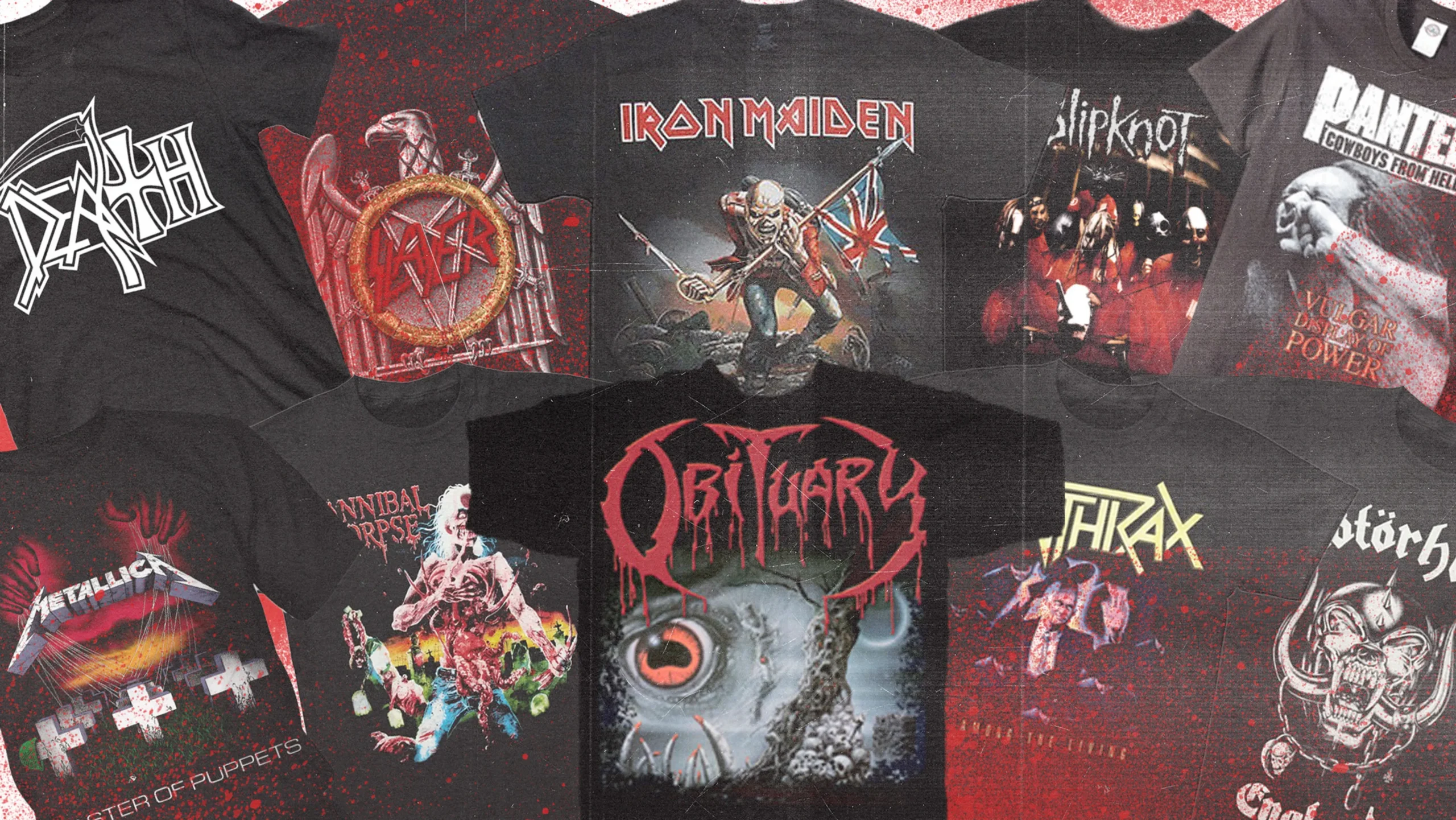
Band t-shirts are one of the most iconic and widespread forms of music merchandise. They’ve evolved from being simple concert souvenirs into bold fashion statements that carry deep meanings. A band tee is often an emblem of loyalty, a way to let the world know which bands you stand behind, and a piece of wearable art. Whether it’s a classic design from Metallica, Iron Maiden, or Slipknot, a well-worn band tee has a story to tell.
The beauty of band tees lies in their diversity. They come in all shapes, sizes, and designs, with everything from vintage-inspired prints to modern, minimalist logos. Fans can find tees with album artwork, concert tour designs, and sometimes, limited edition artwork that makes each piece feel unique. Collecting these t-shirts is almost like collecting musical history – each shirt marks a moment in time, a tour, or an album release that shaped a band’s career.
Band Hoodies: Comfort Meets Style
For those colder months or late-night gigs, band hoodies are the perfect mix of comfort and style. They offer a casual look that pairs perfectly with jeans or leggings, while keeping you warm during chilly concert nights. Hoodies have become a staple for rock and metal fans, offering a stylish way to wear your fandom proudly.
What makes band hoodies particularly appealing is their versatility. You can wear them to a concert, to class, or even just lounging at home. And, much like t-shirts, band hoodies come in a variety of designs. From simple logos to album art or even exclusive designs only available to those lucky enough to catch a band on tour, there’s always something new to grab. Plus, they often feature high-quality materials that ensure they’re as durable as they are comfortable.
Vinyl: The Classic Sound, Now with a Collectible Twist
While digital music streaming has taken over, vinyl records continue to hold a special place in the hearts of rock and metal fans. There’s just something about the warm, analog sound of a vinyl record that no digital file can replicate. For true audiophiles, vinyl isn’t just about music – it’s an experience. And when it comes to owning an album on vinyl, there’s a certain sense of pride that comes with having a physical copy of your favorite record.
Band vinyls often come with intricate album artwork, making them not only a musical treasure but also a visual one. Limited edition pressings, colored vinyl, and special packaging are just a few reasons vinyls have become such sought-after collectibles. Owning a vinyl record is like owning a piece of music history, especially when the album is from an iconic rock or metal band.
Latest Drops: Stay Updated, Stay Ahead
For any true fan, keeping up with the latest merchandise drops is essential. The world of rock and metal merch is always evolving, with new designs, exclusive releases, and limited-edition items hitting the shelves regularly. These latest drops often coincide with new album releases or major tours, creating a buzz that makes each item even more special.
Exclusive merchandise drops are an opportunity for fans to snag something rare that might not be available again. For example, when a band releases a new album, they often pair it with a special merch collection, which could include everything from limited-edition t-shirts to collectible posters and vinyl records. For those who follow closely, these drops are a way to get their hands on something unique and valuable before it sells out.
But it’s not just about exclusivity. Latest drops often reflect the band’s current image, mood, and artistic direction. For instance, a hoodie designed to commemorate a band’s anniversary tour might have a completely different aesthetic than the one from their earlier albums. Merch reflects the growth of the band, both musically and artistically, offering fans a way to feel like they’re part of that journey.
Why Merchandise Matters to Fans
Merchandising has become much more than just a way for bands to make money. It’s a way for fans to connect with their favorite artists and show support in a tangible way. Wearing a band tee, rocking a hoodie, or spinning a vinyl record allows fans to express their identity and feel part of the larger rock and metal community.
Merch also allows fans to become walking billboards for the bands they love. When you wear a band’s t-shirt, you’re essentially spreading the word about their music and helping to promote their work. This is especially significant for rock and metal bands, many of whom thrive on grassroots support from loyal fans. It’s the fans who help keep the band alive, ensuring their legacy continues for years to come.
Moreover, music merchandising plays a role in creating a sense of belonging. Being part of a community is essential, and wearing merch from your favorite bands can make you feel like you’re not alone in your love for their music. Fans at concerts or in everyday life often bond over shared merchandise, striking up conversations and creating friendships with like-minded individuals.
Where to Find the Best Rock and Metal Merch
The great thing about the digital age is that you can now find your favorite band’s merch from the comfort of your home. While official band websites are always a great place to start, there are numerous online platforms dedicated to selling band merchandise. From large-scale retailers to smaller boutique stores, the options are endless.
Many online stores even feature exclusive drops and special editions, allowing you to snag items that you might not find in physical stores. For collectors, this is a game-changer. And with the convenience of online shopping, you can easily keep track of upcoming merchandise releases and be the first to grab those limited-edition items.
Final Thoughts
Rock and metal merchandising has become a key part of the fan experience, offering ways to show your love for your favorite bands while also connecting with the music and culture on a deeper level. Whether it’s through a band tee, a cozy hoodie, or a limited-edition vinyl, each piece of merch carries with it a story, a memory, and a connection to the music that you cherish. As the world of band merchandise continues to evolve with new drops, there’s always something fresh to look forward to. For any true fan, keeping an eye on the latest releases and snagging those rare, exclusive items is just part of the thrill. And after all, it’s not just about wearing a shirt – it’s about wearing your passion.
Authentic Rock Metal Band Merch Straight From The Pit
Authentic Rock Metal Band Merch Straight From The Pit
Authentic Rock Metal Band Merch Straight From The Pit – Rock and metal music is more than a genre—it’s a lifestyle, a community, and for many, a passion that runs deep. One of the best ways to celebrate that connection is through authentic band merchandise. Wearing the logo of your favorite band or owning memorabilia from the pit isn’t just about fashion—it’s about identity, loyalty, and living the music.
For fans, nothing beats rocking merchandise that comes straight from the source. Authentic rock and metal band merch captures the energy of live shows, the rebellious spirit of the music, and the unique style that defines the community.
Why Authentic Merch Matters
In the world of rock and metal, authenticity is everything. Buying merchandise directly tied to the band ensures that you are supporting the artists who create the music you love. Mass-produced knockoffs may look similar, but they lack the connection and quality of official merch.
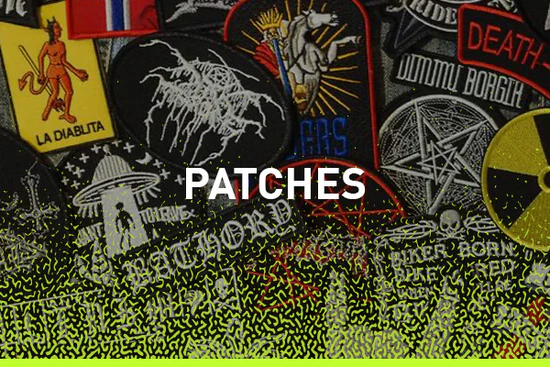
Authentic merch is made to last. High-quality shirts, hoodies, patches, and accessories survive the wear and tear of concerts, travel, and everyday life. Fans appreciate the difference, because authenticity speaks louder than imitation.
Supporting Bands You Love
Every official purchase puts money directly into the hands of the band, enabling them to keep touring, recording, and producing music. For many artists, merchandise sales are a critical part of their income, sometimes even more than streaming or album sales. By buying directly from the pit or official sources, fans contribute to keeping the music alive.
The Pit Experience in Every Item
Nothing captures the spirit of a live show better than merch sold at the pit. Whether it’s a t-shirt soaked in sweat from the mosh or a poster signed after the encore, every item tells a story. Owning it is like carrying a piece of that chaotic, electric energy home with you.
Merch isn’t just clothing—it’s a memory, a badge of belonging, and proof that you were there, feeling the music in its rawest form.
Designs That Reflect the Music
Authentic band merchandise often features artwork that resonates with the band’s style, lyrics, or iconic album art. From skulls and flames to intricate gothic patterns, each design tells a story. Fans wear these designs not just to show support but to express themselves as part of the rock and metal family.
From Concert Halls to Everyday Wear
Rock and metal merch has evolved beyond the pit. While fans proudly wear their band tees at concerts, it’s also common to see them in everyday life. Pairing a classic metal shirt with jeans or layering a hoodie over casual wear is a statement of identity, a subtle nod to shared values within the community.
Authentic merch stands out because it doesn’t feel mass-produced. Each shirt, patch, or accessory carries a piece of the band’s essence, making it unique compared to generic alternatives.
Collecting Merch as a Passion
For many fans, collecting band merchandise is more than just buying items—it’s a hobby, a way to connect deeply with music history. Limited edition releases, signed memorabilia, or rare patches become treasures, often passed down or displayed with pride.
Collecting merch can also be a conversation starter. Sharing stories behind each piece creates bonds between fans, reinforcing the sense of belonging within the rock and metal community.
Limited Editions and Exclusives
Bands often release exclusive merch for certain tours, albums, or festivals. These limited items carry special meaning. Fans who manage to get their hands on them often feel a stronger connection to the band and the shared experiences of the pit.
Online Access to Authentic Merch
While nothing beats buying merch at a live show, the online world has made official band merchandise more accessible than ever. Many bands now sell directly through their websites or official online stores, ensuring fans worldwide can own a piece of their favorite music.
Buying online also guarantees authenticity, quality, and often includes options that are unavailable at live events, such as special editions or bundles.
Tips for Finding Genuine Merchandise
It’s important to avoid counterfeit merch. Look for official logos, licensed stores, and direct band websites. Authentic items usually have tags, official branding, and sometimes unique numbering for limited editions. This ensures that your support truly benefits the artists.
Merchandise as a Cultural Statement
Wearing authentic rock or metal merch is more than just fandom—it’s a statement. It signals belonging, musical taste, and appreciation for the lifestyle surrounding the music. Fans often describe it as a way to express rebellion, freedom, and creativity through visual identity.
This cultural aspect makes authentic merch a key part of the rock and metal community, connecting people across cities, countries, and even continents.
Why Quality Matters
Authentic merch is crafted with attention to detail. From stitching to fabric, print quality, and design fidelity, these products withstand the rigors of live events and everyday life. Cheap knockoffs may fade, tear, or shrink, but authentic items are built to last.
Fans notice quality because it reflects respect for both the music and the wearer. It’s a tangible way of honoring the band and the culture they represent.
The Emotional Connection
At the end of the day, authentic band merchandise is about emotion. Each shirt, hoodie, or poster is a reminder of the music that moved you, the concerts you attended, and the community you are part of. It’s a way to carry those moments with you every day.
Stories Behind Every Item
Every piece of merch has a story. A t-shirt might remind you of the first mosh pit you joined. A hoodie could bring back memories of late-night listening sessions. These stories make merch irreplaceable, far beyond its material value.
Conclusion
Authentic rock and metal band merch is more than just clothing or memorabilia—it’s an experience, a connection, and a lifestyle. Buying merch straight from the pit ensures quality, supports the artists, and lets fans carry a piece of the music wherever they go.
From concert halls to everyday streets, wearing official merchandise signals identity, passion, and loyalty. Collecting, wearing, and sharing authentic merch keeps the spirit of rock and metal alive, bridging generations of fans and celebrating the music we love.
For fans, owning a piece of authentic merch is owning a piece of the pit itself—raw, loud, and unforgettable.
Rock Metal Merchandising: Epic Band Tees Hoodies
The Rise of Rock and Metal Merch
Rock Metal Merchandising: Epic Band Tees Hoodies and Accessories – Rock and metal music has always been more than just music—it’s a lifestyle, a culture, and a statement. Fans want to carry that identity beyond concerts and playlists, and that’s where merchandising comes in. From classic band tees to stylish hoodies and unique accessories, rock and metal merchandise has become a key way for fans to show their devotion.
Merch isn’t just about fashion; it’s about connecting with a community. Wearing your favorite band tee or sporting an accessory signals your taste and aligns you with like-minded fans around the world.
Band Tees: The Iconic Staple
Band t-shirts are arguably the most popular form of rock and metal merchandise. They are timeless, versatile, and instantly recognizable. Whether it’s a vintage-inspired print of a legendary band or a bold design from a new underground group, tees are the first thing many fans grab when expressing their love for music.
Why Fans Love Band Tees
Band tees are more than clothing—they’re memories. A fan might wear a t-shirt from a concert they attended, or one that represents a band they’ve followed for years. Each tee tells a story and becomes part of the fan’s personal journey in music.
Styling Tips
One of the best things about band tees is their versatility. Pair them with ripped jeans, leather jackets, or even casual shorts. The key is comfort and attitude—rock and metal merch is all about authenticity.
Hoodies: Comfort Meets Metal Style
Hoodies have become a staple in rock and metal fashion, especially for fans living in cooler climates or those who love layering their outfits. A hoodie featuring band logos, album artwork, or tour graphics offers both comfort and style.
From Concerts to Everyday Wear
Hoodies aren’t just for concerts—they work as daily wear too. Fans appreciate hoodies for casual outings, gaming nights, or even just lounging at home while listening to their favorite albums. The oversized, relaxed fit common in band hoodies makes them easy to pair with jeans or cargo pants, giving off effortless rock vibes.
Limited Edition and Exclusive Designs
Many bands release limited edition hoodies tied to specific tours or anniversaries. Owning one can be a badge of pride for hardcore fans. Collectors often seek these exclusive pieces, which makes them a central part of the merchandising experience.
Accessories: Completing the Look
Merchandising doesn’t stop at clothes. Accessories are a subtle but powerful way for fans to show dedication. From beanies and caps to keychains, pins, patches, and jewelry, these items allow fans to integrate their love for metal into everyday life.
Statement Pieces
Accessories can be conversation starters. Wearing a pin of a rare band logo or a patch on a backpack can signal shared interests with fellow fans. It’s a fun, low-key way to connect with the rock and metal community.
Collectibles and Memorabilia
Beyond fashion, accessories often double as collectibles. Limited edition items or official tour merchandise hold sentimental value and sometimes even increase in value over time. Fans treat these items as keepsakes, reminding them of concerts, albums, or special moments in music history.
Why Official Merch Matters
Purchasing official band merchandise supports the artists directly. In an era where music streaming dominates, merch sales are a significant source of income for bands. Fans who buy official tees, hoodies, and accessories are helping keep their favorite music alive.
The Quality Factor
Official merchandise also tends to be higher quality, using better fabrics and printing techniques. This ensures that items last longer, maintain their design, and provide a better wearing experience compared to generic or knock-off products.
Merch as a Cultural Statement
Rock and metal merch is more than just apparel—it’s a statement of identity. Wearing a band tee or hoodie says something about your taste, personality, and connection to a community. Fans take pride in showing allegiance to their favorite bands, creating a sense of belonging.
Festivals and Concerts
Merch plays a huge role in live events. Fans attending concerts often wear their favorite band’s apparel, creating a shared visual identity in the crowd. Hoodies and tees from previous tours also spark nostalgia and stories among fans, making the experience even more memorable.
How to Choose the Right Merch
Choosing merch isn’t just about picking a design you like—it’s about personal connection and practicality. Consider the fit, quality, and whether it reflects your favorite era of the band. For collectors, limited editions or exclusive designs might be a priority.
Mixing and Matching
Fans often mix classic band tees with modern hoodies or accessorize with pins and jewelry. The goal is to create a look that feels authentic and represents your musical taste. There’s no wrong way to do it—metal fashion thrives on individuality.
Conclusion: Rock Your Style with Merch
Rock and metal merchandising has become a central part of fan culture. From iconic band tees and cozy hoodies to statement accessories, these items allow fans to express themselves while supporting the artists they love.
Whether you’re a long-time collector or a newcomer to the scene, investing in authentic merch is about more than just clothing—it’s about identity, community, and shared passion. Wearing your favorite band isn’t just fashion; it’s a lifestyle, a statement, and a way to celebrate the music that moves you.
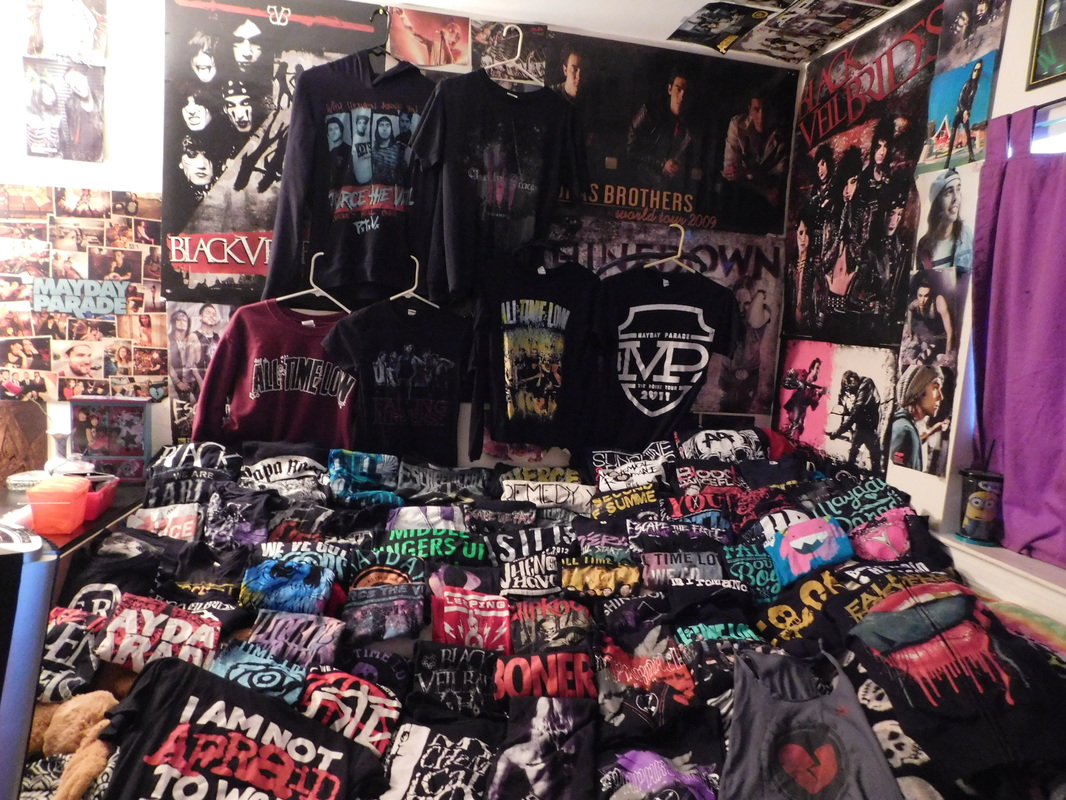
Rock Metal Merch Shop 2026 Official T Shirts Hoodies Best Sellers
Rock Metal Merch Shop 2026 Official T Shirts Hoodies Best Sellers – Rock and metal merch has always been more than just clothing. It’s a symbol of loyalty, attitude, and love for the music. In 2026, the rock metal merch shop scene is bigger and better than ever, offering official t-shirts, hoodies, and best-selling items that fans proudly wear every day.
Whether you’re a long-time metalhead or a new fan discovering heavy music, finding the right merch shop makes all the difference.
Why Official Rock & Metal Merch Shops Matter
Official merch shops exist for one main reason: authenticity. When you buy from an official store, you know you’re getting licensed designs that support the bands directly.
In 2026, fans are more aware of where their money goes. Official shops help artists fund tours, record new albums, and keep the scene alive. This is why many fans now avoid cheap knockoffs and choose legit merch sources instead.
Real fans support real bands.
Official Band T-Shirts: The Core Best Seller
Band t-shirts remain the top-selling item in every rock metal merch shop. They are timeless, easy to wear, and instantly recognizable.
Modern official t-shirts in 2026 are made with better fabrics, improved printing, and more comfortable fits. Designs range from classic album covers to modern reinterpretations and limited-edition artwork.
A great band tee works anywhere—from concerts to casual streetwear.
Hoodies That Combine Comfort and Attitude
Hoodies are one of the fastest-growing best sellers in rock and metal merch shops. Fans love them for their comfort, warmth, and bold designs.
In 2026, official hoodies often feature heavyweight materials, oversized fits, and detailed prints on the back or sleeves. Some designs are loud and aggressive, while others keep things minimal and clean.
Either way, a good metal hoodie is a staple for every fan.
Best-Selling Merch Trends in 2026
This year’s best sellers reflect how metal fashion has evolved. Fans are choosing merch that looks good beyond concerts and fits into everyday style.
Dark color palettes, vintage-inspired graphics, and minimalist logos are dominating merch shops. Limited drops and tour-exclusive items also sell out fast, adding a sense of rarity and value.
In 2026, merch is not just fan gear—it’s wearable culture.
Streetwear Influence on Metal Merch Shops
One major trend shaping rock metal merch shops is streetwear influence. Many bands now release merch collections that feel closer to fashion brands than traditional concert merch.
These pieces are easier to style, making metal merch more accessible to a wider audience. Fans can wear band hoodies or tees without feeling overdressed or out of place.
Metal style has gone mainstream without losing its edge.
Quality Standards Fans Expect Today
Fans in 2026 care deeply about quality. They expect merch that doesn’t shrink, fade, or crack after a few washes.
Official merch shops now focus on premium cotton, durable inks, and ethical manufacturing. This shift reflects a more mature fanbase that values long-lasting products over cheap mass production.
Quality merch earns repeat customers.
Online Merch Shops vs Tour Merch Booths
Tour merch still holds a special place in the hearts of fans. Buying a shirt at a live show creates a memory that lasts forever.
However, online rock metal merch shops have become incredibly convenient in 2026. Fans can access full collections, rare designs, and international shipping without waiting for a tour.
Both options work together, giving fans more ways to connect with their favorite bands.
How to Find Trusted Rock Metal Merch Shops
With the rise of online shopping, fake merch stores are everywhere. Trusted shops usually link directly from official band websites or social media channels.
In 2026, many official stores use secure checkout systems and clear branding. Some even include authenticity tags or QR codes to verify licensed products.
Choosing the right shop protects both fans and artists.
Merch as a Lifestyle Statement
Rock and metal merch represents more than music taste—it’s a lifestyle. Fans use merch to express who they are and what they stand for.
In 2026, merch is worn proudly at work, school, and social events. It’s no longer limited to concerts or festivals.
Your merch tells your story without saying a word.
The Future of Rock & Metal Merch Shops
Looking ahead, rock metal merch shops will continue evolving. Expect more eco-friendly materials, creative collaborations, and limited-edition releases.
Technology may change how we listen to music, but merch will always be a physical connection between fans and bands. As long as rock and metal exist, merch shops will thrive.
Final Thoughts
Rock metal merch shops in 2026 offer the best selection of official t-shirts, hoodies, and best sellers for fans who value authenticity and quality. With better designs, stronger materials, and streetwear influence, today’s merch is more wearable and meaningful than ever.
Support official shops, wear your merch proudly, and keep the rock and metal spirit alive.
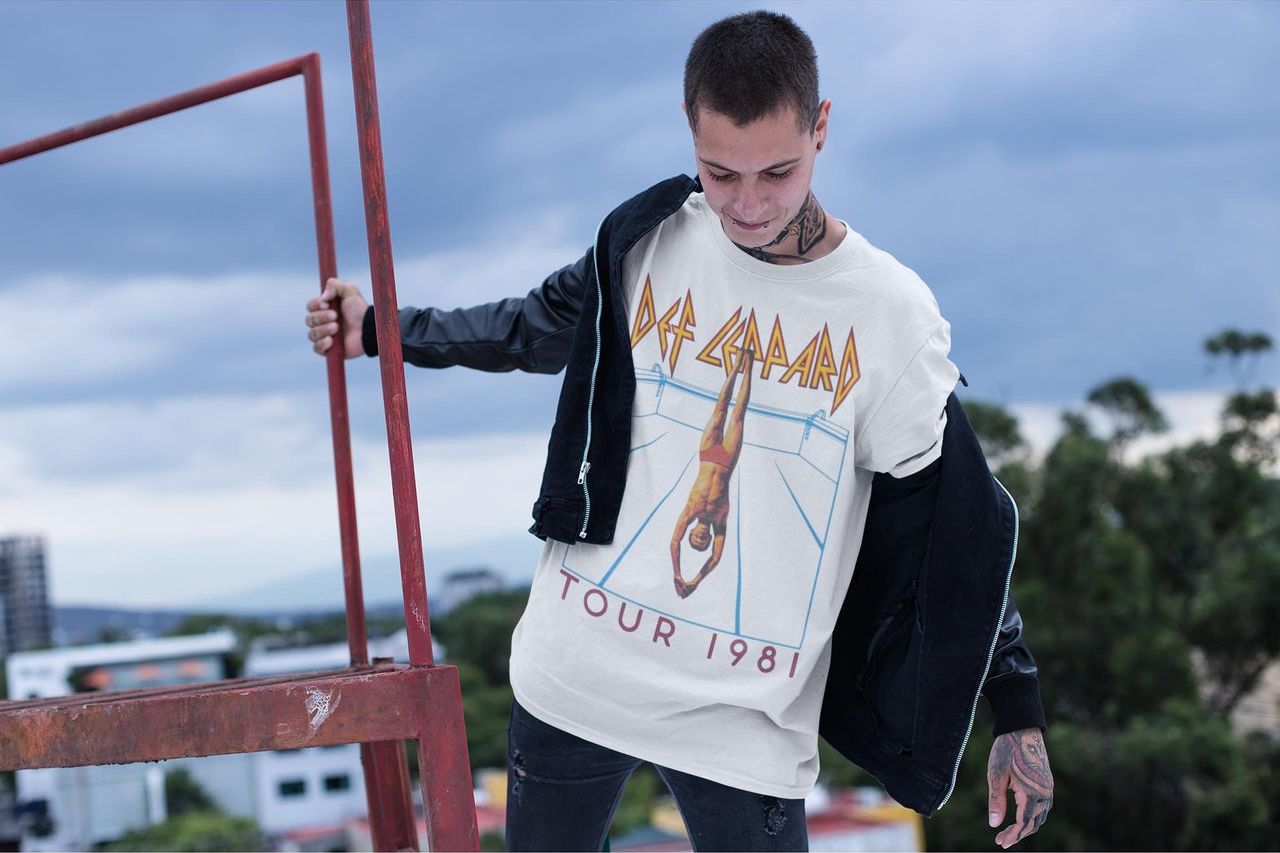
Best Rock Metal Merch 2026 Official Band T Shirts Hoodies
Best Rock Metal Merch 2026 Official Band T Shirts Hoodies – Rock and metal culture has always been more than just music. It’s about attitude, identity, and loyalty to the bands that shape our lives. In 2026, rock and metal merch continues to evolve, blending classic band aesthetics with modern streetwear trends. From official band t-shirts to premium hoodies, fans now have more options than ever to show their passion loud and proud.
Whether you’re heading to a concert, hanging out with friends, or just living the metal lifestyle daily, the right merch makes a statement.
Why Rock and Metal Merch Still Matters in 2026
Even in the age of streaming and digital playlists, physical merch remains a core part of rock and metal culture. Wearing band merch is a way of showing respect, connection, and authenticity.
In 2026, fans don’t just want any shirt with a logo. They want official merch that supports the band directly and reflects real fandom. Authentic merch also carries emotional value, often linked to albums, tours, or unforgettable live shows.
That’s why rock and metal merch is still going strong.
Official Band T-Shirts: A Timeless Classic
Band t-shirts are the backbone of rock and metal merch. From legendary acts to rising underground bands, official t-shirts remain the most popular choice for fans.
Modern band t-shirts in 2026 focus heavily on quality. Softer cotton, better printing techniques, and improved durability are now standard. Designs range from classic album artwork to minimalist logos and tour-exclusive graphics.
A good band tee isn’t just clothing—it’s a badge of honor.
Rock & Metal Hoodies: Style Meets Comfort
Hoodies have become essential merch items, especially for fans who want comfort without sacrificing style. In 2026, rock and metal hoodies are more versatile than ever.
You’ll find oversized fits, heavyweight fabrics, and clean yet aggressive designs. Many official hoodies feature subtle embroidery, sleeve prints, or back artwork inspired by iconic albums and band imagery.
Perfect for concerts, late-night drives, or everyday wear, hoodies are a must-have for any metal fan.
Streetwear Influence in Metal Merch
One of the biggest trends in 2026 is the crossover between metal merch and streetwear. Bands are collaborating with designers to create merch that looks good both at shows and on the streets.
This shift has brought cleaner layouts, darker color palettes, and fashion-forward cuts. Fans can now wear metal merch without feeling like it’s only for concerts.
Metal is no longer just loud—it’s stylish.
Quality Over Quantity: What Fans Want Now
Today’s fans are more selective. Instead of buying multiple cheap items, many prefer fewer pieces with better quality. Official merch in 2026 focuses on long-lasting prints, premium fabrics, and ethical production.
Fans appreciate merch that doesn’t fade after a few washes and still feels comfortable after months of use. This demand has pushed bands and labels to improve standards across the board.
Good merch should last as long as your love for the music.
Tour Merch vs Online Merch
Tour merch still holds special value. Items sold at concerts often feel more exclusive and personal. Many fans consider tour shirts and hoodies as collectibles tied to specific memories.
However, online merch stores have improved massively in 2026. Official websites now offer wider size ranges, international shipping, and frequent drops featuring limited designs.
Both options have their appeal, and serious fans usually grab merch from both.
Supporting Bands Through Official Merch
Buying official rock and metal merch directly supports the artists you love. With touring costs rising and streaming payouts remaining low, merch sales have become a major income source for bands.
In 2026, fans are more aware of this reality. Choosing official merch over knockoffs is seen as a way of keeping the scene alive and helping bands continue creating music.
It’s not just shopping—it’s supporting the culture.
How to Spot Official Rock & Metal Merch
With the popularity of band merch, fakes are everywhere. Official merch usually comes with proper branding, quality tags, and accurate sizing.
Trusted sources include official band websites, authorized merch stores, and concert venues. In 2026, many bands also use QR codes or verification tags to confirm authenticity.
If the price seems too good to be true, it usually is.
Rock & Metal Merch as Personal Identity
For many fans, rock and metal merch isn’t about trends—it’s about identity. What you wear reflects the bands that shaped your taste, your mindset, and your journey.
In 2026, merch is more personal than ever. Fans mix old-school band tees with modern fashion, creating unique styles that tell their own stories.
Your merch speaks before you do.
The Future of Rock & Metal Merch
Looking ahead, rock and metal merch will continue blending music, fashion, and lifestyle. Expect more limited drops, eco-friendly materials, and creative designs that push boundaries.
Technology may change how we listen to music, but the need to physically represent our favorite bands will never disappear. Merch remains a powerful connection between fans and artists.
Rock and metal aren’t just sounds—they’re worn.
Final Thoughts
Best rock metal merch 2026 is all about official band t-shirts, hoodies, and quality gear that represent true fandom. With better designs, improved materials, and strong streetwear influence, today’s merch is more wearable and meaningful than ever.
For fans, merch is not just clothing—it’s loyalty, identity, and support for the music that defines us. Choose official, wear it proudly, and keep the metal spirit alive.
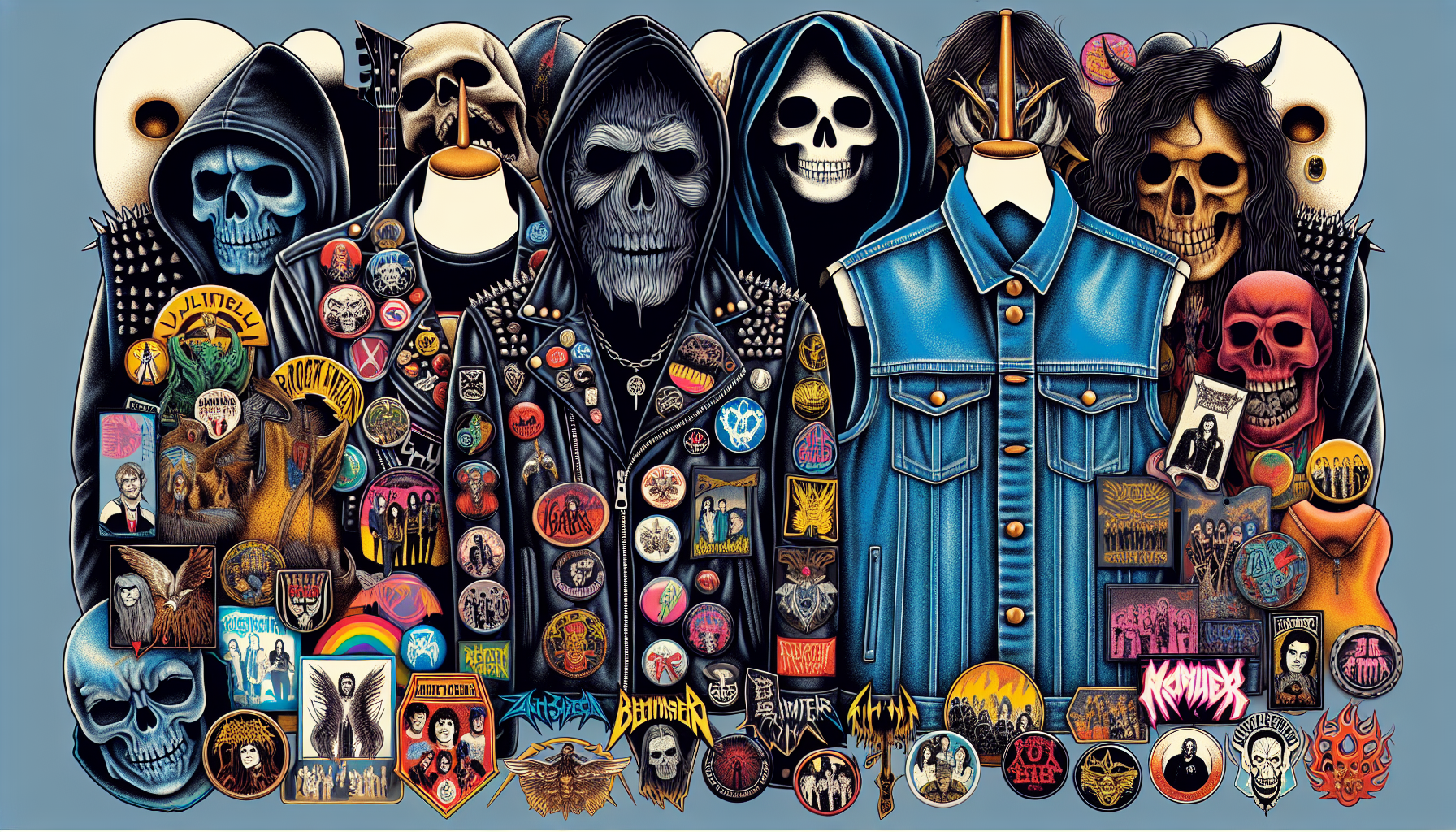
Heavy Merch Vault: In-Depth Reviews of Favorite Band
Heavy Merch Vault: In-Depth Reviews of Favorite Band Merchandise – For rock and metal fans, merchandise is more than something to wear or display. It represents loyalty, memories, and a deep connection to the bands that shape our musical identity. Heavy Merch Vault is a place where fans explore, review, and appreciate band merchandise based on real experience, not hype.
This guide dives into favorite band merch from a fan’s point of view.
The Meaning Behind Band Merchandise
Band merchandise has always been part of rock and metal culture. Long before streaming platforms existed, fans showed support through shirts, patches, and physical albums.
Merch carries emotion. A hoodie from a tour, a shirt bought at a first concert, or a vinyl signed by band members all tell personal stories. Heavy Merch Vault focuses on these experiences rather than just product descriptions.
First Impressions: Design and Identity
One of the first things fans notice about merch is design. Strong visuals, iconic logos, and album-inspired artwork often decide whether an item feels special.
Favorite band merch usually reflects the band’s identity clearly. Whether it’s aggressive, dark, artistic, or minimalist, good design feels authentic. Fans appreciate merch that stays true to the band’s sound and message.
A great design turns merch into wearable art.
Quality That Matches the Music
Quality matters, especially for long-term fans. Heavy Merch Vault reviews often focus on fabric, printing, stitching, and overall durability.
A well-made band shirt or hoodie should survive many washes without fading or cracking. Fans value merch that lasts, just like the music that stays with them for years.
Quality shows respect for the fans.
Comfort for Everyday Wear
Merch is not only for concerts. Many fans wear band merch in daily life, so comfort plays a big role.
Soft fabrics, proper sizing, and breathable materials make a difference. Favorite band merch often becomes part of everyday outfits because it feels good to wear, not just because it looks cool.
Comfort turns merch into a daily companion.
Tour Merch vs Online Releases
There is a special feeling about tour merch. Items bought at concerts carry memories of loud crowds, live energy, and unforgettable nights.
Heavy Merch Vault reviews often compare tour-exclusive items with online releases. Tour merch feels more personal, while online merch offers wider access and variety.
Both have value, depending on the fan’s experience.
Limited Editions and Collector Pieces
Limited edition merch holds a special place in any collection. Anniversary drops, special collaborations, and rare prints often become collector favorites.
Fans love the thrill of owning something not everyone has. Heavy Merch Vault highlights why these items stand out, from unique designs to meaningful release stories.
Scarcity adds emotional value.
Accessories That Complete the Collection
Beyond shirts and hoodies, accessories are essential parts of band merch collections. Patches, pins, hats, and wristbands allow fans to personalize their style.
Many fans customize jackets or backpacks with band patches, creating unique looks that reflect their musical journey. These small items often carry big personal meaning.
Details matter in merch culture.
Vinyl, CDs, and Physical Media
Physical music remains important in rock and metal culture. Vinyl records and CDs are not just music formats, but collectible art pieces.
Heavy Merch Vault reviews often include album packaging, artwork, and sound quality. Holding a physical album creates a deeper connection than digital listening.
For many fans, physical media completes the merch experience.
Supporting Bands Through Merch Purchases
Buying merch is one of the most direct ways fans support their favorite bands. Especially for underground and independent artists, merch sales help fund tours and new releases.
Heavy Merch Vault encourages conscious support. Every purchase becomes a way to give back to the music that means so much to fans.
Support strengthens the scene.
Building a Personal Heavy Merch Vault
Every fan’s merch vault looks different. Some focus on one band, others collect across genres and eras.
The most valuable collections are built with personal meaning, not just price or rarity. Items connected to memories often matter more than limited editions.
A true merch vault tells a personal story.
Final Thoughts
Heavy Merch Vault: Review Band Favorit is about celebrating the connection between fans and bands through merchandise. From quality and comfort to emotional value, every piece tells a story.
For rock and metal fans, merch is more than gear. It’s a symbol of identity, passion, and lifelong connection to the music.
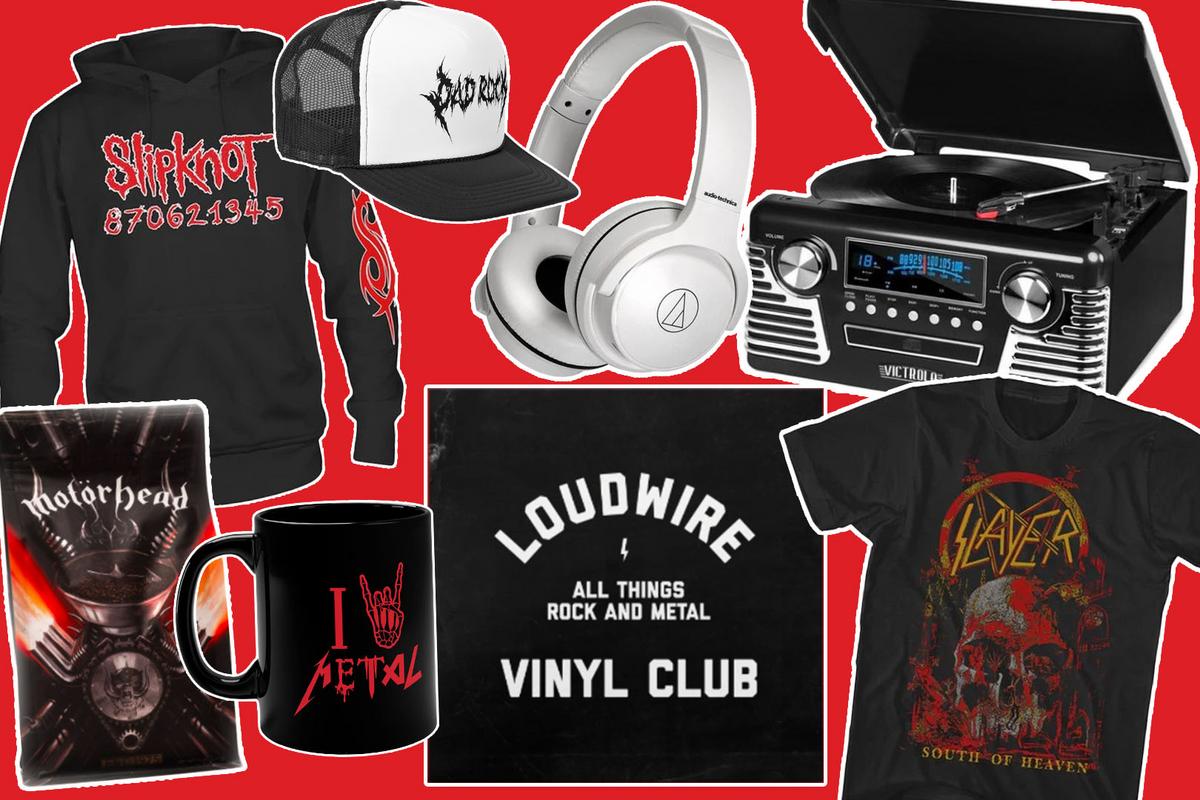
Rock Metal Merch Guide: Must-Have Collections for True Fans
Rock Metal Merch Guide: Must-Have Collections for True Fans – Rock and metal music is more than just sound. It’s attitude, identity, and a lifestyle. For many fans, showing love for their favorite bands goes beyond listening to albums or attending concerts. This is where merchandise becomes important. Rock Metal Merch Guide is all about exploring the must-have collections that every true fan should know about.
Merch is not just clothing. It’s a statement.
Why Rock and Metal Merchandise Matters
Rock and metal merch has always played a big role in music culture. From classic band tees to limited-edition collectibles, merch allows fans to connect with the bands they admire.
Wearing a band shirt is a form of self-expression. It shows loyalty, musical taste, and sometimes even personal values. For many fans, merch carries memories of concerts, friendships, and moments that shaped their love for music.
Band T-Shirts: The Core of Every Collection
Band t-shirts are the foundation of any rock or metal merch collection. They are simple, iconic, and timeless.
From vintage tour shirts to modern designs, band tees tell stories. Some fans prefer old-school logos, while others love creative artwork inspired by album covers. A good band shirt is more than fashion—it’s a badge of honor.
Collectors often look for original prints or tour-specific designs that hold special meaning.
Hoodies, Jackets, and Everyday Wear
Beyond t-shirts, hoodies and jackets are popular among rock and metal fans. They combine comfort with style and are perfect for everyday wear.
These items often feature bold graphics, subtle logos, or dark color palettes that match the rock and metal aesthetic. For fans, wearing merch daily is a way to keep music close, even outside concert settings.
Quality materials also matter, especially for long-term use.
Accessories That Complete the Look
Merch doesn’t stop at clothing. Accessories play a big role in completing a fan’s look.
Patches, pins, bracelets, and caps are popular choices. Many fans customize their jackets, bags, or vests with band patches, creating a personal and unique style.
Accessories are often affordable and easy to collect, making them great entry points for new fans.
Vinyl Records and Physical Music
In the digital age, physical music still holds strong value in rock and metal culture. Vinyl records, CDs, and special box sets remain must-have items for collectors.
Vinyl, in particular, offers a deeper connection to music. Album artwork, liner notes, and sound quality create an experience that streaming cannot replace.
Limited pressings and colored vinyl editions are especially sought after.
Posters, Flags, and Wall Art
Decorating personal space is another way fans express their passion. Posters, flags, and wall art turn rooms into personal shrines for favorite bands.
Tour posters and signed artwork are highly valued by collectors. They capture moments in time and bring the energy of live shows into everyday life.
For many fans, their walls tell their musical story.
Limited Edition and Tour Merch
Tour merchandise holds special value because it represents a specific time and place. Items bought at concerts often feel more personal than online purchases.
Limited edition merch, collaborations, or anniversary releases are also highly collectible. These items often increase in value over time and become prized possessions among fans.
Timing and availability make these pieces special.
Supporting Bands Through Merch
Buying merch is one of the most direct ways fans support their favorite bands. Especially for smaller or independent artists, merch sales help sustain tours and future releases.
Rock Metal Merch Guide highlights this connection. Merch is not just about ownership; it’s about supporting the music community.
Fans become part of the journey.
Building a Personal Merch Collection
Every fan’s collection is unique. Some focus on one band, while others collect across genres and eras.
The key is choosing items that feel meaningful. Whether it’s a shirt from a first concert or a rare vinyl, personal value often matters more than market price.
A great collection reflects personal taste and memories.
Taking Care of Your Merch
Proper care helps merch last longer. Washing band shirts gently, storing vinyl properly, and protecting collectibles from sunlight can preserve their quality.
For collectors, maintenance is part of respect for the music and the culture. Well-kept merch tells a story of dedication and appreciation.
Final Thoughts
Rock Metal Merch Guide: Must-Have Collections for Fans celebrates the strong bond between music and identity. Merchandise allows fans to carry their passion beyond the stage and into daily life.
From classic t-shirts to rare collectibles, each piece represents a connection to the sound, the culture, and the community. For true fans, merch is more than an item—it’s a symbol of belonging.
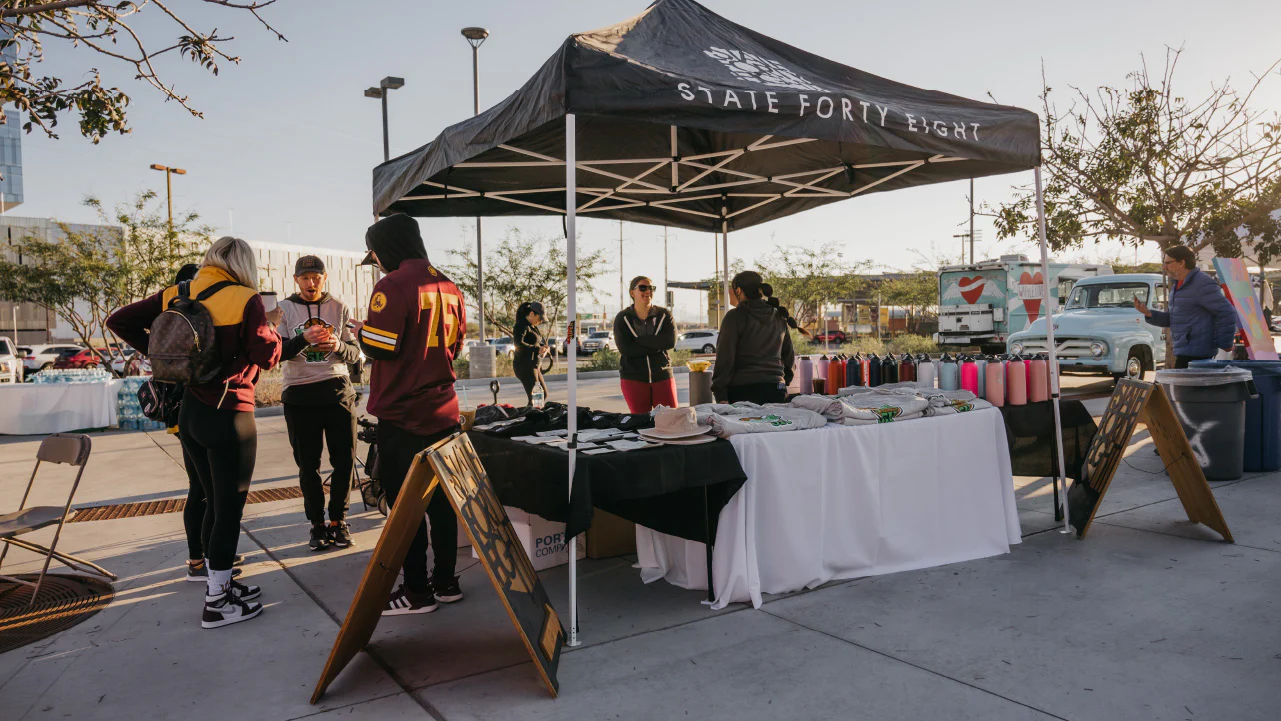
Rock & Metal Merchandising: A Powerful Business Opportunity
Rock & Metal Merchandising: A Powerful Business Opportunity in a Loyal Market – Rock and metal may look like niche genres, but behind the loud music and heavy visuals lies one of the most loyal consumer bases in the world. This loyalty turns rock & metal merchandising into a serious business opportunity, not just a side product for bands.
Unlike trend-driven fashion markets, rock and metal merch is built on long-term passion. Fans don’t just buy once—they keep collecting.
Why the Rock & Metal Market Is Different
Most consumer markets rely on trends that come and go. Rock and metal fans, however, often stay loyal to the same bands and styles for years, even decades.
This creates a unique environment where:
- Demand is stable, not seasonal
- Brand loyalty is extremely strong
- Fans value authenticity over hype
For merch sellers, this means predictable demand and repeat customers.
Merch Is Not Just for Big Bands
Many people think merchandising only works for famous bands. In reality, smaller and independent bands often see higher engagement per fan.
Indie bands usually have:
- More personal fan relationships
- Higher merch-to-fan purchase ratios
- Direct communication through social media
This makes merch an ideal revenue stream even at early stages of a band’s career.
Popular Merch Categories in Rock & Metal
Rock & metal merchandising goes far beyond T-shirts. Successful merch businesses diversify their product range.
High-performing merch categories include:
- Band T-shirts and long sleeves
- Hoodies and jackets
- Hats, beanies, and caps
- Patches, pins, and badges
- Posters, flags, and wall art
- Accessories like bracelets and wallets
Smaller items often sell well because they’re affordable and easy to ship globally.
Pricing Strategy That Actually Works
Rock and metal fans understand value. They are willing to pay more for merch that feels authentic and well-made.
Effective pricing strategies often include:
- Tiered pricing (basic vs premium items)
- Limited edition drops
- Bundle deals (shirt + patch, hoodie + poster)
Low prices are not always the best approach. Perceived value matters more than cheapness.
Online Sales Dominate the Market
Today, most rock & metal merch sales happen online. Official websites, marketplaces, and social media shops allow bands and merch brands to sell worldwide.
Online selling offers:
- Lower overhead costs
- Global reach
- Easier inventory management
Pre-orders are especially popular because they reduce financial risk and overproduction.
Branding Is Everything
In rock & metal merchandising, branding is not optional. Fans can instantly tell whether merch feels genuine or generic.
Strong merch brands usually have:
- Consistent visual identity
- Clear genre positioning
- Original artwork
Merch that feels mass-produced without soul rarely performs well in this market.
Production and Supply Chain Considerations
Successful merch businesses pay close attention to production quality. Poor printing or cheap materials quickly damage reputation.
Key production factors include:
- Fabric quality
- Print durability
- Fit and sizing accuracy
- Ethical production standards
Reliable suppliers and clear quality control processes are essential for long-term success.
Merch as a Marketing Tool
Merch is not just a product—it’s moving advertising. Every time a fan wears a band shirt, they promote the brand.
This organic marketing:
- Costs nothing extra
- Feels authentic
- Reaches the right audience
Many bands and labels treat merch as part of their marketing strategy, not just a revenue source.
Expanding Beyond Bands
Rock & metal merchandising is no longer limited to bands alone. Labels, festivals, media platforms, and even independent designers now create merch inspired by the culture.
This opens opportunities for:
- Genre-based clothing brands
- Festival merchandise
- Rock-themed lifestyle products
You don’t need a band to succeed—understanding the culture is enough.
Common Mistakes in Rock & Metal Merchandising
Many merch projects fail due to avoidable mistakes:
- Overproducing stock
- Ignoring fan feedback
- Copying designs from other bands
- Sacrificing quality for profit
The rock and metal audience quickly notices shortcuts.
Long-Term Potential of the Market
Rock and metal are not disappearing. New bands, subgenres, and generations of fans continue to emerge.
As long as the music exists, merchandising will remain relevant. The market may not explode overnight, but it grows steadily and sustainably.
Final Thoughts
Rock & metal merchandising is a business built on loyalty, authenticity, and consistency. It rewards those who understand the culture and respect the audience.
For bands, it’s financial survival. For entrepreneurs, it’s access to one of the most dedicated markets in the world. And for fans, it remains a meaningful way to support what they love.

From Stage to Street: The Power of Rock & Metal Merch Culture
From Stage to Street: The Power of Rock & Metal Merch Culture – Rock and metal music have always been about more than just sound. They represent rebellion, freedom, identity, and connection. One of the strongest ways this culture lives beyond the stage is through merchandise. From band t-shirts to hoodies, patches, and accessories, rock and metal merch has become a powerful symbol that travels from concerts straight into everyday street life.
Merch culture is not just about selling products. It’s about carrying the music, attitude, and spirit wherever fans go.
The Origins of Rock & Metal Merchandise
In the early days of rock and metal, merchandise was simple. Bands sold basic t-shirts and posters at live shows as souvenirs for fans. These items were memories—proof that someone was there, standing in the crowd, feeling the energy of the music.
Over time, merch evolved. Designs became bolder, artwork more detailed, and quality improved. What started as simple souvenirs turned into essential pieces of fan identity.
Merch became part of the culture itself.
From Concert Stalls to Everyday Fashion
Rock and metal merch made a natural transition from concert venues to the streets. Band shirts stopped being worn only at gigs and started appearing in daily outfits.
Fans wear band merch to school, work, cafes, and social gatherings. A single t-shirt can say a lot about someone’s taste in music, mindset, and personality. It’s an effortless way to express identity without saying a word.
This shift is what made rock and metal merch a lifestyle, not just memorabilia.
Why Band Merch Feels So Personal
Unlike regular clothing, band merchandise carries emotional weight. Each item often connects to a specific memory—first concert, favorite album, or a song that helped someone through a difficult time.
When fans wear merch, they’re not just wearing fabric. They’re wearing stories, emotions, and moments that matter. This personal connection makes rock and metal merch timeless and meaningful.
It’s fashion with a soul.
The Symbol of Belonging
Rock and metal have always had strong communities. Merch acts as a visual signal within these communities. When fans see someone wearing the same band logo, there’s an instant sense of connection.
It sparks conversations, nods of respect, and sometimes even friendships. Merch becomes a symbol of belonging, a sign that you’re part of something bigger than yourself.
In a world that often feels disconnected, this sense of unity matters.
Street Style Meets Rock & Metal Attitude
Rock and metal merch has influenced street style in powerful ways. Oversized band tees, distressed prints, leather jackets with patches, and dark color palettes have all become iconic fashion elements.
Even outside the music scene, band merch has entered mainstream fashion. High-end brands and streetwear labels have drawn inspiration from rock and metal aesthetics.
Yet for true fans, merch remains rooted in authenticity—not trends.
Authenticity vs Fashion Trends
As band merch becomes more fashionable, the line between style and substance becomes clearer. Some people wear band shirts purely for the look, while others wear them because the music matters deeply to them.
Within rock and metal culture, authenticity is everything. Fans value real connection over image. Knowing the music behind the logo still holds importance in the community.
This authenticity is what keeps the culture strong, even as it grows more visible.
Merch as Direct Support for Artists
In today’s music industry, merchandise plays a crucial role in supporting artists. Streaming revenue is often low, especially for independent bands. Merch sales help cover tour costs, recording expenses, and daily operations.
When fans buy official merch, they’re directly supporting the music they love. This makes every purchase feel meaningful—not just for the band, but for the fan as well.
Merch becomes a bridge between artist and audience.
Limited Drops and Exclusive Designs
Limited-edition merch has become a major part of modern rock and metal culture. Tour-exclusive shirts, anniversary releases, and special collaborations create excitement and urgency.
Fans love owning something rare. These items feel special because not everyone can get them. Limited merch adds another layer of value—both emotional and cultural.
It turns merch into collectibles, not just clothing.
DIY Culture and Customization
Rock and metal have strong roots in DIY culture. This spirit extends to merch as well. Many fans customize their jackets, vests, and shirts with patches, pins, and personal designs.
Battle jackets, in particular, are a powerful expression of individuality. Each one tells a story through band logos and symbols chosen by the wearer.
This DIY approach keeps merch culture creative and personal.
The Community Power of Merch
Merch does more than represent bands—it strengthens fan communities. At festivals, concerts, and even online spaces, merch helps fans recognize and connect with each other.
It creates a shared language. A logo, symbol, or album cover can instantly communicate shared values and tastes.
This sense of community is one of the most powerful aspects of rock and metal culture.
Sustainability and the Future of Merch
As awareness grows, many bands and fans are starting to care more about sustainability. Ethical production, eco-friendly materials, and responsible packaging are becoming part of the conversation.
Fans appreciate transparency and thoughtful choices. Sustainable merch aligns well with the values of authenticity and responsibility that rock and metal stand for.
The future of merch culture is not just louder, but smarter.
Final Thoughts
From stage to street, rock and metal merch carries the heart of the music into everyday life. It’s more than clothing—it’s identity, memory, and community woven into fabric.
In a digital world where music is often invisible, physical merch keeps the culture tangible. It allows fans to wear what they believe in, support the artists they love, and stay connected to a global community.
Rock and metal merch culture proves that music doesn’t stop when the show ends. It lives on—in the streets, in style, and in the people who proudly wear it.
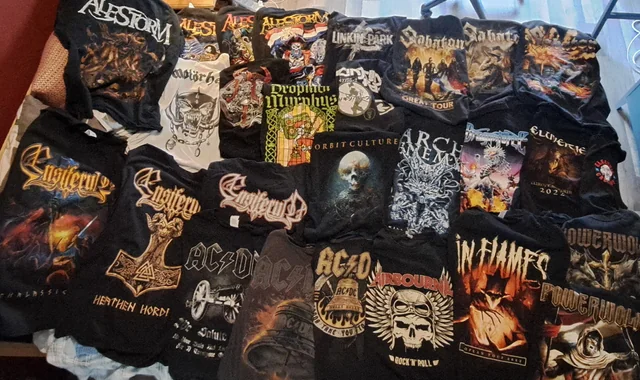
Rock & Metal Merchandising as a Lifestyle Statement
Rock & Metal Merchandising as a Lifestyle Statement – Rock and metal merchandising is not just about buying band-related products. For many fans, it is a way of life. What someone wears, collects, or displays often reflects their taste, values, and connection to the music. In the rock and metal world, merchandise functions as both personal expression and cultural symbol.
From battle jackets covered in patches to faded tour shirts worn for years, merch tells stories that go far beyond branding.
Merchandise as Identity
In rock and metal culture, identity matters. Fans don’t just listen to music; they live it. Merchandise becomes an extension of that identity. Wearing a band logo can communicate musical taste, attitude, and even philosophy.
A single shirt can say a lot:
- What genre someone connects with
- Which era of music they prefer
- Whether they lean underground or mainstream
For many fans, merch is not chosen randomly. It reflects who they are and what they stand for.
The Meaning Behind Wearing Band Merch
Unlike generic fashion, rock and metal merchandise often carries emotional weight. A shirt might represent a first concert, a favorite album, or a band that helped someone through a difficult time.
That emotional connection makes merch feel personal. It’s not about trends or seasonal fashion. It’s about memory and meaning. This is why fans continue wearing old, worn-out shirts long after they fade.
Merch Beyond the Stage
While concerts remain central to merchandising, rock and metal merch exists far beyond live shows. Fans wear band apparel in daily life, turning everyday spaces into expressions of music culture.
In schools, workplaces, and public spaces, band merch becomes a quiet signal. Sometimes it leads to conversations, friendships, or shared recognition between strangers who love the same music.
DIY Culture and Personal Customization
One unique aspect of rock and metal merchandising is customization. Many fans personalize their merch rather than keeping it untouched.
Common forms of customization include:
- Sewing patches onto jackets
- Cutting sleeves off shirts
- Adding studs, pins, or paint
- Mixing different band designs
This DIY approach reflects the rebellious roots of rock and metal. It shows that merch is not just consumed—it is transformed.
Underground Scenes and Limited Availability
In underground rock and metal scenes, merchandise often has limited availability. Small runs, hand-printed designs, and show-only items are common.
This scarcity increases emotional value. Owning a shirt from a small band’s early days or a local gig can feel more meaningful than mass-produced items. It represents support and participation in the scene.
For underground fans, merch is a badge of authenticity.
The Role of Artwork and Design
Visual art is a major part of rock and metal merchandising. Album covers, symbols, and logos are carefully chosen to reflect the band’s sound and message.
Designs often explore:
- Dark or aggressive imagery
- Mythology and fantasy
- Social and political themes
- Abstract or symbolic visuals
Fans often connect to these visuals as much as the music itself. A strong design can make merch iconic and timeless.
Merch as a Connection Between Fans
Merchandising also connects fans to each other. Seeing someone wearing the same band shirt can instantly create a sense of belonging.
In many cases, merch acts as a conversation starter. It breaks social barriers and builds community, especially in environments where rock and metal are not mainstream.
This shared recognition strengthens the culture and keeps it alive.
Collectors and Emotional Value
Some fans go beyond wearing merch and become collectors. They search for rare items, vintage prints, or discontinued designs. While some pieces gain financial value, emotional value is often more important.
Collectors usually value:
- Items linked to specific tours
- Early band merchandise
- Autographed products
- Unique or misprinted designs
Each item represents a moment in music history and personal experience.
Authenticity Over Perfection
Rock and metal fans often value authenticity more than perfection. A slightly flawed shirt, uneven print, or rough stitching can actually add character.
This attitude reflects the roots of the genre. Raw energy, honesty, and imperfection are often celebrated. Merchandise that feels too polished can sometimes feel disconnected from the spirit of the music.
Merch in the Digital Age
Despite the dominance of streaming and digital media, physical merchandise remains important. In a world where music is often invisible, merch provides something tangible.
Owning physical items creates a sense of permanence. It allows fans to hold onto something real in an increasingly digital environment.
Even as platforms change, merch remains constant.
Supporting Artists Through Merchandise
For many bands, especially independent ones, merchandise sales are a crucial source of support. Buying merch is often one of the most direct ways fans can help artists continue creating music.
This relationship creates mutual respect. Fans feel closer to the band, and artists feel supported beyond just streams or likes.
The Cultural Impact of Rock & Metal Merch
Rock and metal merchandise has influenced culture far beyond music. It has shaped fashion, inspired visual art, and contributed to subcultures worldwide.
Band logos and designs have become cultural symbols recognized even by people outside the scene. Yet, for true fans, the meaning remains deeply personal.
Conclusion
Rock and metal merchandising is not just about products—it’s about identity, connection, and culture. Each shirt, patch, or record carries stories, memories, and values tied to the music.
In a world that constantly changes, rock and metal merch remains a powerful way for fans to express who they are and what they love. As long as the music continues to inspire, merchandising will remain a living part of the rock and metal lifestyle.
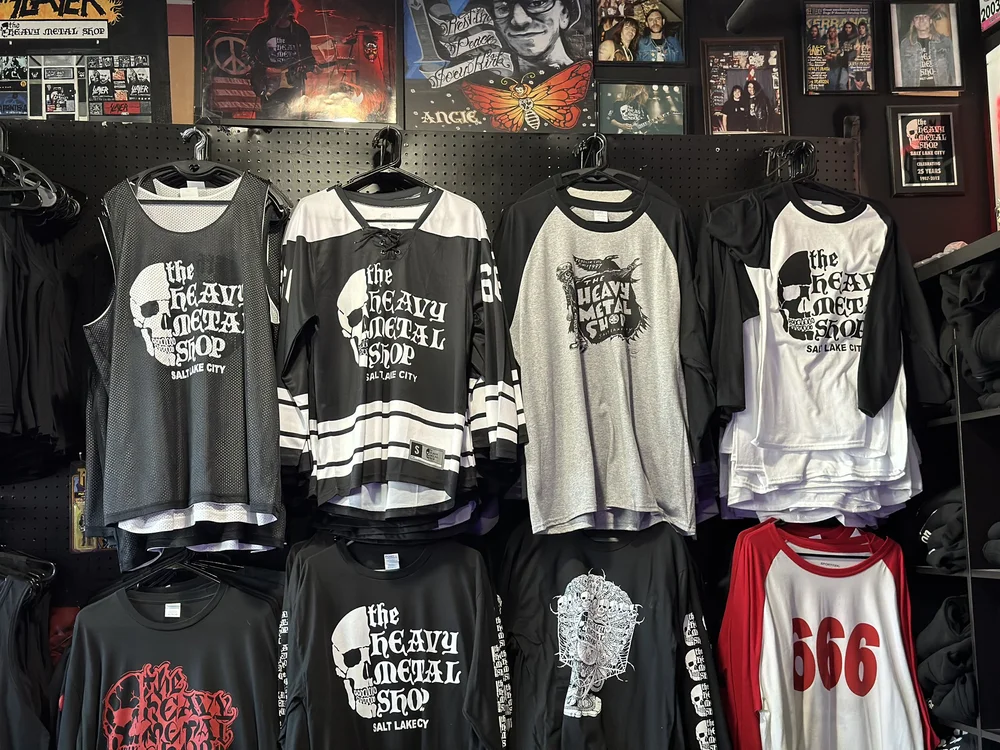
Rock & Metal Merchandising: More Than Just Band Merchandise
Rock & Metal Merchandising: More Than Just Band Merchandise – Rock and metal merchandising has always been more than a way to sell products. For fans, it represents identity, loyalty, and connection to the music that shaped their lives. From classic band t-shirts to limited vinyl releases, merchandising plays a vital role in rock and metal culture worldwide.
Over the decades, rock and metal merch has evolved from simple concert souvenirs into a global industry with its own trends, collectors, and loyal communities.
The Roots of Rock and Metal Merchandise
Rock merchandising began gaining popularity in the late 1960s and 1970s, alongside the rise of legendary bands. Early merchandise was simple—mostly t-shirts sold at concerts, often printed with basic logos or album artwork.
As metal gained momentum in the 1980s, bands realized that merchandise could become a powerful extension of their image. Fans wanted more than music; they wanted something tangible to represent their passion. This era introduced iconic designs that are still worn today.
Merchandise became a symbol of belonging. Wearing a band shirt wasn’t just fashion—it was a statement.
Why Merch Matters to Rock and Metal Fans
For many fans, rock and metal are not casual interests. They are lifestyles. Merchandising allows fans to express that connection publicly.
A band shirt can:
- Represent personal taste
- Spark conversations with other fans
- Show support for a favorite band
- Carry emotional memories from concerts
Unlike mainstream fashion, rock and metal merch often carries deeper meaning. Each item tells a story, whether it’s a first concert, a favorite album, or a band that helped someone through difficult times.
Popular Types of Rock & Metal Merchandise
Rock and metal merchandising goes far beyond t-shirts. Today, fans can choose from a wide variety of products.
Some of the most popular items include:
- Band t-shirts and hoodies
- Hats, patches, and pins
- Vinyl records and cassette tapes
- Posters and wall flags
- Accessories like wallets, belts, and jewelry
Limited-edition items, especially tour-exclusive merch, are highly valued by collectors and dedicated fans.
Band Identity and Visual Art
One of the most distinctive aspects of rock and metal merchandising is visual identity. Album artwork, logos, and typography play a major role in how merch looks and feels.
Metal bands, in particular, are known for bold visuals:
- Dark and aggressive imagery
- Complex logos
- Fantasy, horror, or mythological themes
These visuals help bands stand out and create a consistent image across albums, tours, and merchandise.
Touring and Merchandise Sales
Live shows remain one of the most important places for merchandise sales. Concert merch tables are often crowded before and after performances.
For bands, especially independent or underground acts, merchandise sales can be a major source of income. Touring is expensive, and merch helps cover costs such as transportation, equipment, and crew expenses.
For fans, buying merch at a show feels personal. It’s a way to directly support the band and take home a physical reminder of the experience.
Independent Bands and DIY Merch Culture
Not all rock and metal merch comes from major labels or large distributors. The DIY (do-it-yourself) culture remains strong, especially in underground scenes.
Many independent bands:
- Design their own merch
- Print limited runs
- Sell directly through shows or online
This approach creates a closer connection between artists and fans. DIY merch often feels more authentic and personal, which appeals to dedicated listeners.
Online Stores and Global Reach
The internet has changed rock and metal merchandising dramatically. Fans no longer need to attend shows to buy merch. Official band stores, online marketplaces, and independent merch platforms allow global access.
Online merchandising has made it possible for:
- Smaller bands to reach international fans
- Collectors to find rare items
- Fans to support bands from anywhere
Despite this shift, physical merch remains highly valued in a digital world.
Fashion Influence Beyond Music
Rock and metal merchandising has influenced mainstream fashion for decades. Band shirts are no longer worn only by fans. They appear in streetwear, high-fashion collections, and pop culture.
Classic band logos have become timeless designs. Even people unfamiliar with certain bands recognize iconic imagery from rock and metal history.
However, for true fans, merch still holds a deeper meaning beyond trends.
Authenticity and Trust in Merchandising
Authenticity is crucial in rock and metal merchandising. Fans value official merchandise and original designs. Poor-quality or fake products often fail to earn respect within the community.
Well-made merch:
- Lasts longer
- Feels more meaningful
- Reflects respect for the band and fans
Quality materials and thoughtful design show commitment, which fans notice and appreciate.
Collecting Rock & Metal Merchandise
For some fans, merch collecting becomes a serious hobby. Vintage shirts, first-press vinyl, and rare tour items can gain significant value over time.
Collectors often look for:
- Original prints
- Limited editions
- Items linked to specific tours or albums
Beyond monetary value, collectors appreciate the history and memories attached to each piece.
The Emotional Side of Merchandise
Rock and metal merchandise often carries emotional weight. A shirt from a legendary concert, a vinyl signed by a favorite band, or a patch sewn onto a jacket can represent years of memories.
These items become personal artifacts, not just products. They remind fans of moments, friendships, and the music that shaped their identity.
The Future of Rock & Metal Merchandising
As music consumption continues to evolve, merchandising remains a stable and important part of rock and metal culture. New printing techniques, sustainable materials, and creative collaborations are shaping the future.
While trends may change, the core purpose stays the same: connecting fans to the music they love.
Conclusion
Rock and metal merchandising is far more than selling products. It is a cultural expression, a form of identity, and a bridge between bands and fans. From classic t-shirts to rare collectibles, merch represents loyalty, passion, and shared history.
As long as rock and metal music continue to inspire, merchandise will remain a powerful symbol of the scene and the people who live for it.